Four irresponsible things Fisheries New Zealand (FNZ) have done that pushed the Gulf tipa / scallop population to the verge of collapse.

The tipa /scallop population in the Hauraki Gulf Marine Park (HGMP) is on the verge of collapse due to mismanagement by Fisheries New Zealand (FNZ). The current population is one fifth of what it was in 2012 (when they last surveyed the beds). Huge cuts are needed to save the population, most of us will experience the loss in the supermarket or the boat ramp. Here are the things they did wrong (many by their own admission).

  1. FNZ allowed fishing methods that destroy habitat. Bottom impact fishing is irresponsible because it destroys the habitats of target species. When you kill the animal and its home a new animal is less likely to be there the second time you go hunting there. “Dredge fishing is known to have negative impacts on scallop growth, populations and the habitat that supports them” – FNZ 2021. Juvenile scallops thrown back overboard by dredge fishers (bycatch) also have a high mortality rate.

  2. FNZ relied on self regulation. Instead of doing tipa bed surveys they relied on:
    1. Industry self-regulation which hid declines at individual beds (the scheme is called voluntary Catch Per Unit Effort). The average catch limit for the last decade was more than double what was actually landed.
    2. Estimates of recreational catch based on boat ramp inspections. Commercial fishing is not the only problem here, 3/4 recreational only fished beds have collapsed.
    Cameras on commercial boats (which can match catch with location) and mandatory recreational catch reporting would enable finer scale regulation and stop this happening to other fish populations.

  3. FNZ didn’t do any spatial planing. They set no areas aside as nurseries for juvenile shellfish. “It would be logical to close some scallop beds and create passive restoration (broodstock areas) to increase the fishery yield” – Dr Mark Morrison, Shellfish Restoration Co-ordination Group, December 2021. FNZ even let bottom trawlers drag their nets over tipa beds damaging both adults and juveniles and leaving them vulnerable to predation and disease. A bed that was discovered in 2011 (Hauraki bed) was fished to collapse by 2014. This bed may well have been the nursery that propped up the already declining population. FNZ (and other governing bodies) hand picked ideas from the only integrated management plan devised for the Gulf (Sea Change 2017) which planned to phase out bottom impact fishing and addressed other impacts like sediment.

  4. FNZ didn’t take a precautionary approach. FNZ should not have to rely on iwi calling a rāhui to stop a population collapsing. No one is paying iwi to sustainably manage fisheries. The two rāhui approved under section 186A of the fisheries act were already too late to save the population but they should have been actioned much faster. Variability in the tipa population trends gave FNZ gamblers confidence and they played the fishery like a slot machine.

You can read the report that recommends closing the fishery here. I will be supporting a full closure and recommending a discontinuation of the four irresponsible behaviours. I hope that all the tipa beds recover from the closure but it’s likely many of them will not. We have recently seen this in SCA7 Golden Bay, SCA7 Tasman Bay where the FNZ collapsed the fishery, and in three individual beds (Ponui-Wilsons, Shoe-Slipper, Barrier & Kawau) in the SCA CS fishery (HGMP). Enabling the long-term damage of a habitat forming species is not just fisheries collapse or functional extinction – it’s ecocide.

FNZ 2021
https://www.mpi.govt.nz/dmsdocument/49072-Review-of-sustainability-measures-for-scallop-SCA-1-and-SCA-CS-for-2022

Note this paper recommends eliminating bottom contact fishing is the most effective intervention to rebuild a depleted scallop populations in New Zealand

Where are all the fish in the Hauraki Gulf?

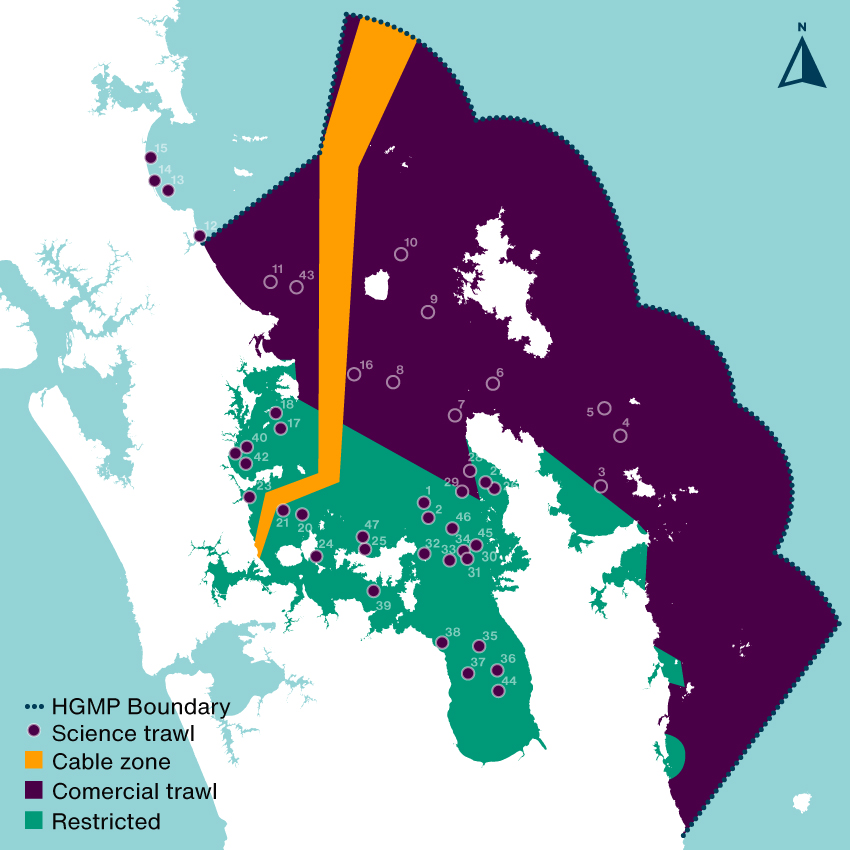
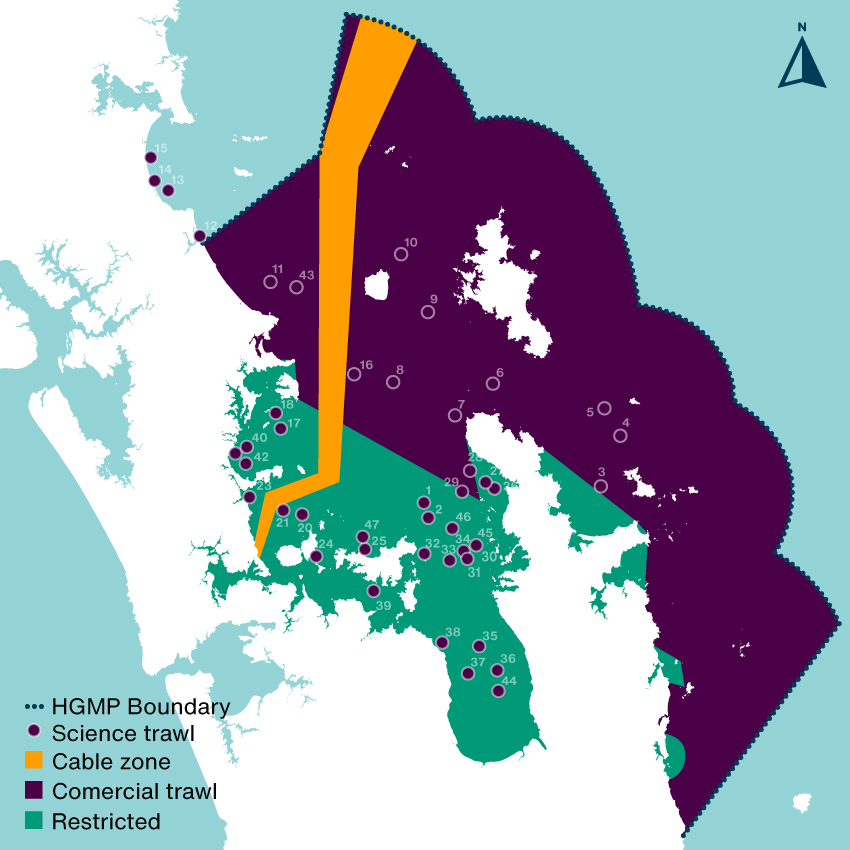
The most barbaric way to answer this question would be to drag a giant net around and count what you kill but you’re not allowed to do that in the inner Gulf where trawling is restricted… unless you have a research permit from Fisheries New Zealand (FNZ). Despite calls to stop bottom trawling in the Hauraki Gulf Marine Park (HGMP) (Sea Change 2017 & Hauraki Gulf Forum 2021) FNZ have started doing these trawls regularly, they justify the trawls are required to gather information on the Tāmure / Snapper population. They haven’t done research trawls like this since the Hauraki Gulf Marine Park Act came into effect in the year 2000 (NIWA 2019). In areas where trawling is restricted (c25% of the HGMP), the study was like bulldozing a regenerating forest to count the birds. A disgraceful act on private land let alone a national park.

How much seafloor was scraped?

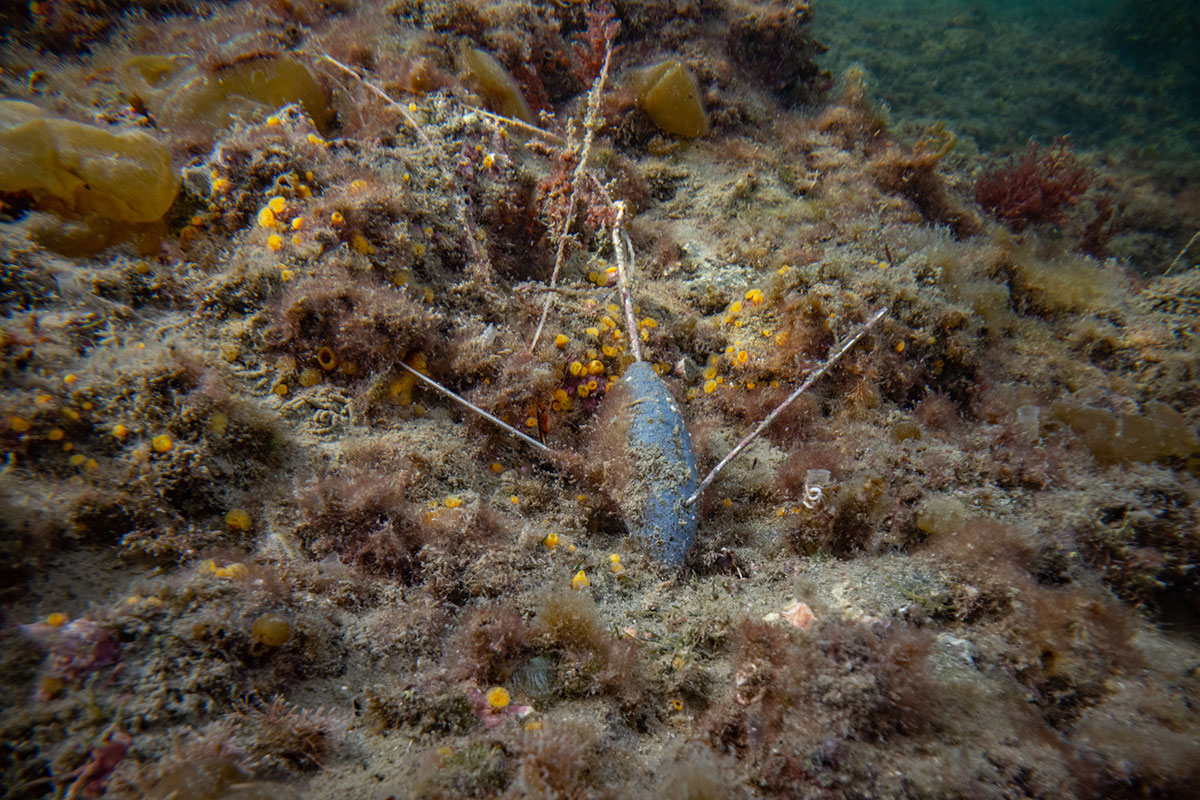
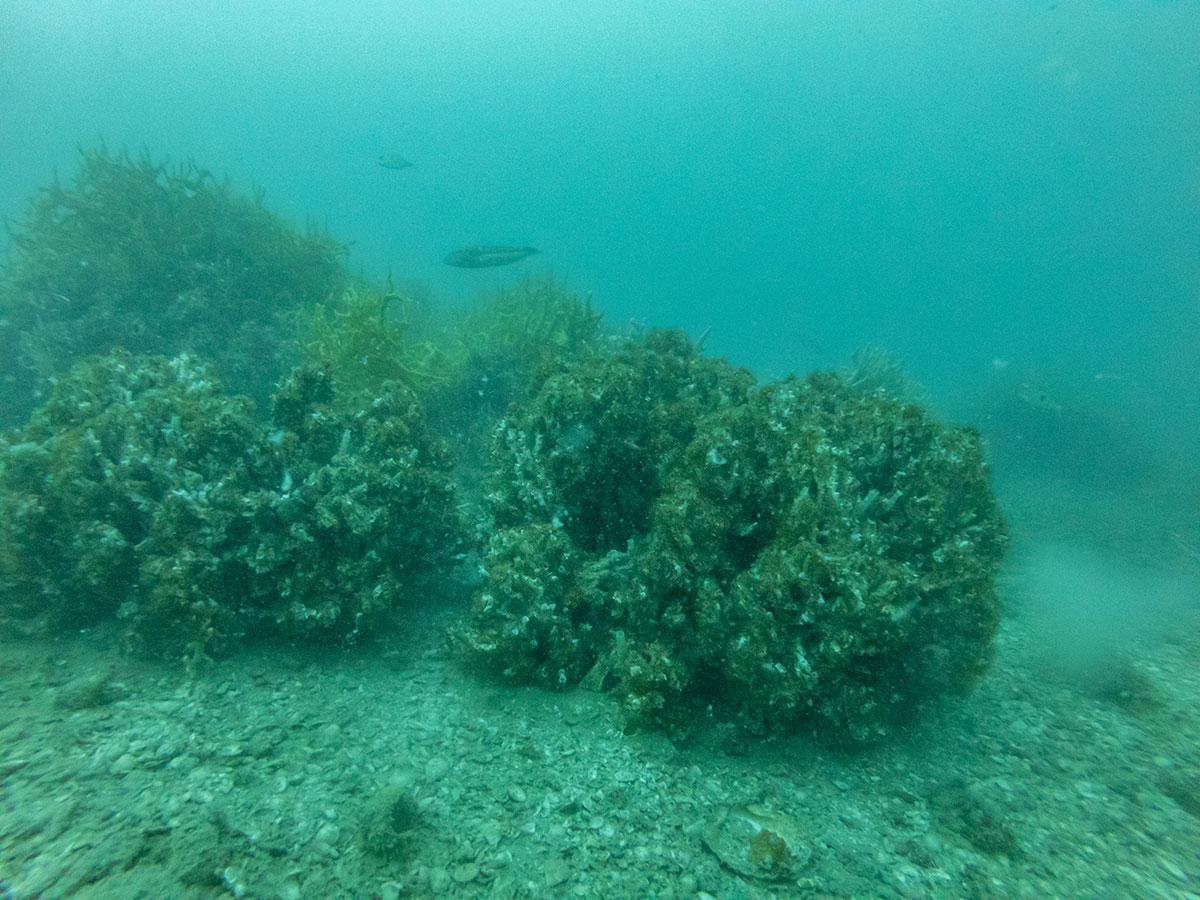
The nets are massive, wider than a rugby field. FNZ were just interested in killing demersal fish (goundfish), they dragged theses massive nets along the seafloor smashing down anything that lives there and creating giant sediment plumes that contribute to climate change. In areas that have been closed to trawling for decades there are patches of horse mussel beds, sponge gardens and tubeworm mounds and other habitats regenerating after decades of abuse from heavy machinery. You can read about them in the report (NZFAR 2021) where they are described as ‘foul’ a horrible word which suggests there is something ugly about these beautiful benthic epifauna that are working hard (day and night) to clean up our pollution (they are nearly all filter feeding animals). In defense of FNZ they did try and avoid areas with a lot of immobile sea life but they failed so badly that they had to stop trawling on several occasions, this shows that a) the seafloor is recovering and b) echosound is no good for measuring trawling impact on benthic life.

Although the percent of trawled seafloor was small (less than 1% of the study area) the areas bottom trawled were huge:

39 rugby fields between Shakespear Regional Park and Rangitoto IslandStratum 1386
54 rugby fields of the inner Firth of ThamesStratum 1887
68 rugby fields of the mid Firth of ThamesStratum 1268
88 rugby fields in a west-east band North of Waiheke IslandStratum 2229
59 rugby fields around the western side of Waiheke IslandStratum 1149
41 rugby fields north of Whangaparāoa PeninsulaStratum 1284
40 rugby fields northwest CoromandelStratum 9292
60 rugby fields south of the line dividing the inner gulfStratum 1219
59 rugby fields from Bream Bay to MangawhaiStratum 1449
49 rugby fields between Aotea / Great Barrier Island and Ahuahu / Great Mercury IslandStratum COLV
77 rugby fields north of the line dividing the inner gulfStratum LITB

A total of 615 rugby fields, 381 of those fields had not been physically impacted by trawling for decades. The trawls were about 1/10th as long as a commercial trawl which may impact 1–10 km2 (MacDiarmid 2012). This is largely due to the horrific sediment plumes they create, especially on mud which most of the trawls in restricted areas were. This means the total trawl distance of 53.35km could have impacted up to 40km2 (6,349 rugby fields) of seafloor – choking animals and smothering plants.

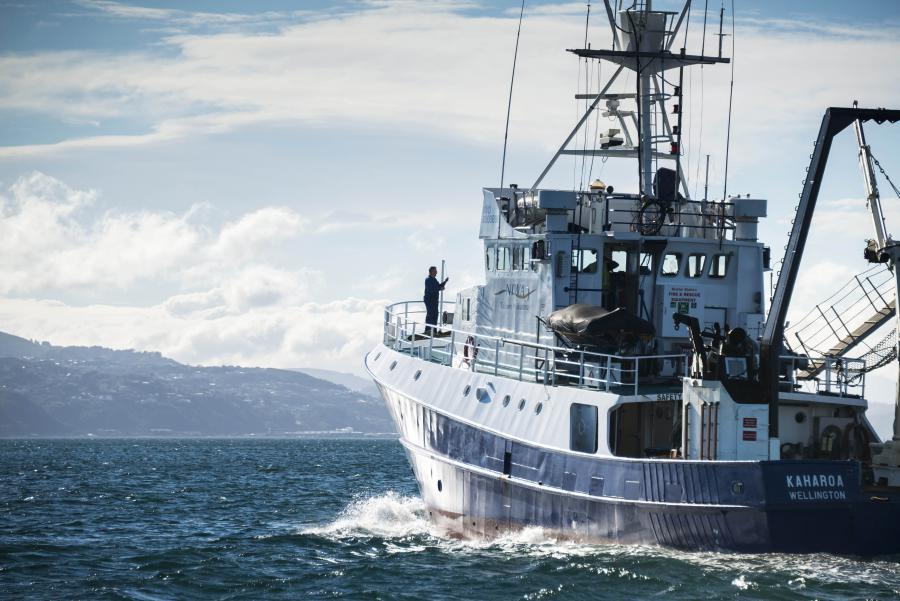
The research trawler Kaharoa. Photo by Dave Allen (NIWA).

So where were all the fish?

The average catch weight per trawling station in restricted areas was 500% higher than areas where bottom trawling is not restricted (1,033kgs vs only 171kgs). That’s a huge difference, the commercial fishers pulling up the nets must have been blown away with the haul! There was no significant difference in the size of the trawls but there was a big difference in depth. Trawls in trawling restricted areas averaged about half the depth (23m) of those in regularly trawled areas (47m). So are the fish benefiting more from trawling restrictions or depth?

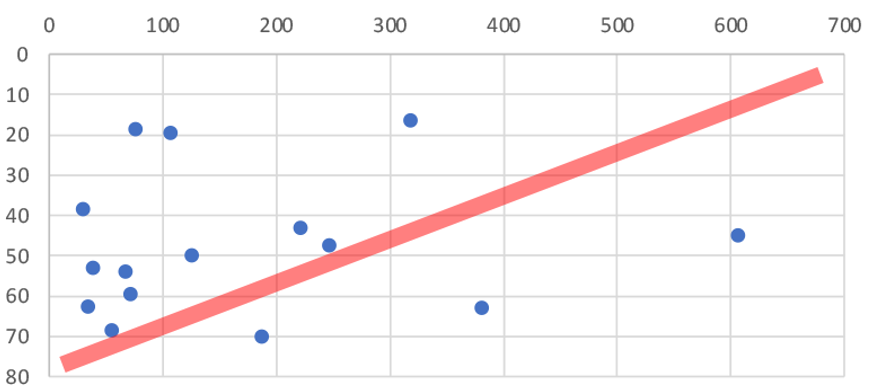
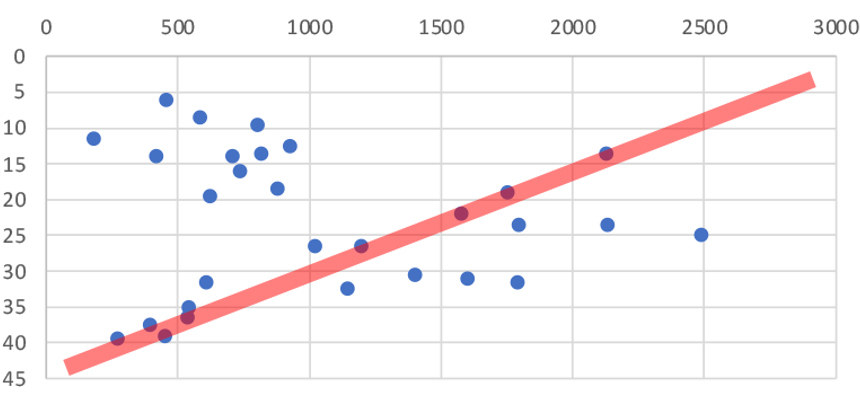
Figure 1. Catch weight per station by depth in trawled areas. The red line predicts catch weight going down in deeper areas.
Figure 2. Catch weight per station by depth in areas where trawling is restricted. The red line predicts catch weight going down in deeper areas.

As you can see from Figure 1 & 2 there is no correlation between depth and catch weight (red line vs data). There could be many other factors involved (FNZ seemed to deliberately avoid trawling on sand in the inner Gulf so we can not directly compare substrates), but the 500% increase in catch weight in areas protected from trawling shows that protecting the seafloor from bottom trawling dramatically increases the amount of fish that live on the seafloor.

The survey is good news for recreational fishers who shouldn’t leave the inner Gulf to catch more Tāmure / Snapper. If you’re a fisher who wants to know where demersal fish are in the Gulf I recommend you read the report (NZFAR 2021). If you want to know which trawling station got the highest catch… I’m not telling! You will have to ask FNZ, you can send them an OIA request Official.InformationAct@mpi.govt.nz why don’t you tell them to stay out of the restricted areas and stop bottom impact fishing at the same time 😀

What happened to all the fish?

The total weight of fish (mostly Tāmure / Snapper) landed was 41,759 kilograms! 80% of the dead fish was sold for $128,449.35 which seems like a lot but with Tāmure at $20-$30 per kg at the supermarket they could have made more than one million dollars selling it direct to consumers. Of the total revenue from the two years of survey approximately 73% ($93,634.47) was absorbed in operation costs of the research vessel to process the catch. The remaining balance ($34,814.88) was returned to the Ministry of Primary Industry. That means even selling the dead fish dirt cheap the surveys make a profit for the Government. The self issued scientific permit to trawl in restricted areas is more profitable than some whaling trips the Japanese government justifies as science.

What else did they haul up?

I was surprised to see invasive species like Mediterranean fanworm (Sabella spallanzanii) turning up in the catch. They are very skinny and should fly through the nets. There must have been very dense beds in places. It was disappointing to hear from my Official Information Act request that Biosecurity New Zealand was not informed of which stations had high numbers of the Unwanted Organism. The lack of interagency communication (even with MPI) sucks but the double standard is worse. When restoring the seafloor from fishing damage the Mussel Reef Restoration Trust must notify an MPI technical officer if it accidentally releases an Unwanted Organism (a legal requirement of moving Unwanted Organisms under the Biosecurity Act 1993). Bottom trawlers however can move them around the Gulf with no regard to Biosecurity. This shows how Biosecurity NZ favours industry over community groups.

Will they do it again?

The surveys continue despite FNZ no longer having a public license to bottom trawl the HGMP. There is 84% public opposition to fishing methods that impact the seafloor (Hauraki Gulf Forum 2021). Most fisheries scientists take samples 100’s of times smaller or use baited underwater video cameras to count and measure fish. FNZ definitely don’t have a social license to trawl in restricted areas but they are ploughing on. Because I make a living doing science communication its not in my interests to criticise the research survey but I had to because I think what they are doing is wrong.

Notes

I included trawl stations in areas where Danish seining is allowed and trawling is restricted in the restricted totals. The three stations had an average catch weight that lowered the average restricted catch weight and increased the average catch depth.

References

Sea Change 2017. Sea Change – Tai Timu Tai Pari Marine Spatial Plan. Hauraki Gulf Forum, Ministry for Primary Industries, Department of Conservation, Waikato Regional Council, Auckland Council. 2017.

MacDiarmid 2012. Assessment of anthropogenic threats to New Zealand marine habitats. A. MacDiarmid. New Zealand Aquatic Environment and Biodiversity Report No. 93 2012

NZFAR 2021. New Zealand Fisheries Assessment Report 2021/08. Trawl surveys of the Hauraki Gulf and Bay of Plenty in 2019 and 2020 to estimate the abundance of juvenile snapper. 2021. https://fs.fish.govt.nz/Doc/24856/FAR-2021-08-Hauraki-Gulf-2019-Bay-Of-Plenty-2020-Trawl-Surveys-4125.pdf.ashx

Hauraki Gulf Forum 2021. Results of Hauraki Gulf Poll by Alex Rogers. The Gulf Journal

https://gulfjournal.org.nz/2021/11/results-of-hauraki-gulf-poll/ Accessed December 2021

NIWA 2019. NIWA to survey young snapper in Hauraki Gulf. https://niwa.co.nz/news/niwa-to-survey-young-snapper-in-hauraki-gulf Accessed December 2021.

NZ Sports Fishing Council rejects Govt action plan

In the Hauraki Gulf Forum’s agenda for August 23 (Page 177) the New Zealand Sports Fishing Council have rejected the Government’s response to Sea Change. This is a shame because although the plan is weak, short on detail and very late, it’s still the best proposal we have for slowing the decline of the Gulf.

Here are the points they make with some commentary from me. I have written them up for my own understanding. TL;DR The measurable cuts to recreational fishing were not matched by measurable cuts to commercial fishing. This is true but the lack of detail in the plan should be an opportunity for NZSFC to work with Government on scaling back commercial impacts through the development of the fisheries plan and defining the bottom impact fishing areas.


“The New Zealand Sport Fishing Council (NZSFC) rejects the Government’s Revitalising the Gulf proposal on the basis that it does not go far enough.”

‘Not going far enough’ is a poor reason to not to improve something.

“The vision and purpose of the Sea Change plan has been lost. A series of State of the Gulf reports chronicles a steady loss of abundance and diversity, and describes an emerging crisis that threatens the very functionality of the marine ecosystem within the Hauraki Gulf Marine Park.”

Agreed, the reports also show Marine Protection Areas (MPAs) are the best proven solution to minimising the impact of sports fishing.

“The Revitalising the Gulf plan is a compromised and biased proposal, an insult to all who gave so freely of their time over the years to contribute to a comprehensive plan.”

I understand how outraged they are but this is not a helpful or constructive statement.

“One of the key aspects agreed by the Sea Change contributors was that the plan was not to be cherry picked. The Revitalising the Gulf proposal does just that, thus destroying any good faith, goodwill achieved at the collaborative, negotiated and consensus driven Stakeholder Working Group process. A process that enjoyed widespread trust and support.”

I agree that the compromises made were not honoured. The very first principle is: “The Plan is developed as an integrated package to be implemented as a “whole”. Those implementing the Plan should not pick and choose between the proposed actions.” The plan was ‘non-statutory’ meaning not required or meaningful in law. This made it toothless, NZSFC’s rejection of the Government’s response is a significant failure. The Ministers decided that some commercial compromises were too high. The analysis of this is suspiciously missing from the Ministerial Advisory Committee report. The analysis needs to be better represented in future marine spatial planing processes.

“The only major aspects that made it through the officials’ vetting process is a series of ‘high protection’ areas (HPAs) lacking any ancillary management measures that would give them a chance of success. The Government would be wise to do nothing if that response is all that can be managed.”

The ancillary measures are SPAs (Seafloor Protection Areas) and a Hauraki Gulf Fisheries Management Plan (HGFMP) they know this, so it’s a weird thing to say. The proposed HPAs have been analysed and they are big enough to allow for lots of recreational fishing on the borders. The only threat to the success of the HPAs is customary take which DOC is working to define.

This entire exercise confirms that Government agencies are unable to work in concert for the benefit of the HGMP.

Not really, it would be more accurate to say that Fisheries NZ are a much stronger department with more staff and money, Fisheries NZ are “captured by industry” David Parker 2016.

“The tension between fisheries and conservation holds the Hauraki Gulf to ransom.

I don’t understand what the ransom is, but a network of Marine Protected Areas will increase abundance due to spillover. “Thirty six 30cm Tamureproduce the same amount of eggs as one 70cm Tamure.”Auckland University Research.

Fisheries giving up some areas but not any catch, which simply exacerbates the depletion and habitat loss in the remainder of the Marine Park.

I disagree, yes the HPAs will shift effort but they will increase abundance due to spill-over. The concerns around cuts to catch are valid but it would be more constructive to ask for a lower the Total Allowable Catch (TAC) in the HGFMP. Note that the HGFMP design should be ecosystems based, I would be interested in a critique of the HGFMP from an ecosystems perspective. Auckland University is well placed to do this but I imagine they will need a lot more detail that what has been published in the draft plan (page 107 of Revitalising the Gulf).

The Revitalising the Gulf plan is not about restoring the historic mauri of the HGMP or addressing future climate change.

I agree that it’s irresponsible for govt to exclude climate change from the HGFMP.

It is about clinging to fishing practices long known to destroy habitat while maintaining catches at historic levels, the same levels that have bought us to this point of depletion and degradation.

Here NZSFC are talking about commercial bottom impact fishing (trawling and dredging). Sea Change sought to phase out these destructive practices. They need to stop for the health of the Gulf to recover.

Large public investments were made in crafting a spatial plan that would reverse the decades-long trend of biodiversity loss. This investment has been squandered.

I think the plan should have been more science led. The weak decisions around commercial bottom impact fishing have dramatically lowered the impact of the plan. It’s frustrating that Government has not announced the bottom impact fishing areas so we can quantify how much has been ‘squandered’.

Sadly, the Government’s proposal is long on rhetoric, short on action and even shorter on logic. If Revitalising the Gulf proceeds, the HGMP will remain gridlocked with its governance via three Acts of Parliament and no effective management.

I think they just mean they want the fish that are currently going to commercial fisheries. I partially agree, each fish has more value when killed by a recreational fisher but it also cost more to catch both in terms of environmental impact (carbon emissions, resources mined for fancy boats, oil spilt, fish injured, etc) as well as cash spent.

“The Revitalising the Gulf plan is contrary to the clearly defined purposes of the HGMP Act, including the need to sustaining in perpetuity the life-supporting capacity of all the natural systems in the Gulf.

It would be more useful to say ‘Commercial fishing is contrary to HGMP Act purposes’. This is true, in 2015 National floated the idea of turning it into a recreational fishing park as an election bribe but then dropped the idea. Probably because lots of people, like the Hauraki Gulf Forum wanted the ecosystem to be valued above fishing. “The recreational fishing park is flawed because it’s being presented as a marine protected area when it’s not. Recreational fishing pressure is intense and, unchecked, has a major impact on environmental health.”Mayor John Tregidga, Chair, Hauraki Gulf Forum 2016.

It would be more useful if the HGMP Act had a statement like ‘Te Mana o te Wai’ that puts ecosystems first. Words like ‘sustain’ and ‘maintain’ are not useful for those seeking to increase abundance because fish populations can be legally managed at incredibly low levels.

“The Revitalising the Gulf plan is a win for industrial fishing interests and a loss for the people of the Hauraki Gulf and the marine environment.

I agree that the continuation of industrial bottom impact fishing is a big win for industry, I would love to know how they pulled that off. The government needs to be more transparent about the process and include recreational and environmental views in the discussions around bottom impact fishing areas and the development of the HGFMP. FNZ officers have told me this will not happen for dredging.

Reasons for rejecting. Our reasons for rejecting the Revitalising the Gulf plan include but are not limited to the following:

I agree with many of these points but I would not reject a plan that started eight years ago and won’t be acted for another three years. I would just start a new plan to address the remaining issues. Waikato Regional Council has started a planning process that could address their concerns.

Failure to fulfil the purposes of the HGMP Act

Yes, commercial uses are not mentioned.

Failure to remove bottom trawling and Danish seining. Failure to acknowledge the need to limit the effects of climate change by reducing the carbon emissions attributed to trawling and dredging in the Gulf.

Agreed and hot topic, Govt asleep at the wheel here.

“Failure to remove scallop dredging.”

Agreed.

“Failure to remove purse seining.

Agreed, the review of purse seining impacts is also missing, while the catch has dramatically increased.

Failure to create a separate Fisheries Management Area (FMA) for the Hauraki Gulf so precautionary catch limits can be applied and adjusted in a reasonable and responsible timeframe.

Officials need to better explain how they can operate a HGFMP with no FMA. It will be an area-based plan authorised under section 11A of the Fisheries Act 1996.

No attempt to address the need for improved management, of recreational fishing in the Hauraki Gulf Marine Park.

Yes a science led MPA network would really help here, along with much lower Maximum Sustainable Yield (MSY) and a raft of other changes suggested by NZSFC and environmental groups that have been ignored by FNZ for decades. As it stands the HGFMP is very business as usual, I would love to see NZSFC and other groups rewrite it.

Failure to take a holistic approach to marine protection, with no integrated, meaningful fisheries management changes alongside the HPAs.

Not a very specific request, I assume it’s the Rescue Fish Policy.

Failure to acknowledge the tension that will arise if Maori customary food gathering is permitted in ‘high protection areas’ while public fishing is prohibited.

I agree this is problematic, along with conflict between customary take and no-harm divers and snorkelers in HPAs.

The short sighted ‘protection at all costs’ bias that sees the far-sighted Special Management Area (SMA) concept discarded. The economy of such high value, low extraction fishing activity that currently occurs at the Mokohinau and Alderman Islands, and that would be permitted under the SMA concept, has been dismissed by officials ‘because it focuses on the management of use’.

I don’t understand this as the plan states the Government “will explore the Sea Change Plan’s Special Management Area (SMA) tool”.

There is no provision for an Economic Impact Assessment (EIA) of the Revitalising the Gulf plan.

EIAs are expensive, they did rough costs of the short term losses for the HPAs. They can’t do an EIA when they haven’t even decided where they might reduce some commercial fishing yet. A better criticism would be on the lack of plan in the plan.

There is no provision for an assessment of the social and cultural impacts of the Revitalising the Gulf plan.

This is a nice idea, I don’t know what it would look like, but could be included in the State of the Gulf reporting.

Failure to consider the effects of fishing on the marine ecosystem – While the Gulf snapper stock may be slowly rebuilding, the prospects are not good for crayfish, paua, scallops, mussels, tarakihi, John dory, gurnard, kahawai, trevally, porae and all the ‘red fish’ that have attracted so much attention recently.

Yes, these should be addressed in the HGFMP.

This post was featured on the Gulf Journal.

A reef with more fishing gear than fish

On Friday I surveyed a reef at Shakespear Open Sanctuary on Whangaparāoa Peninsular. The tide was out at Te Haruhi Bay and I walked East towards the rocks. The beach was covered with protected shorebirds feeding in the sand and seagrass. Unfortunately the situation under the water was not so abundant with many keystone species missing.

I didn’t find any mussel beds or crayfish. This was no surprise as these species are unprotected and functionally extinct in the Gulf. But after two hours in the water with good visibility (5-6meters) I was surprised not to see a single Snapper, Leather jacket or Red moki. Not even a small one. The experience reminded me of the “empty cathedrals” metaphor used to describe our pest ridden forests which are empty of birdsong. In the marine version of this metaphor, fishers are the pests. The nearby cable zones mean that there should not be any commercial fishing in the area, there are nobody but recreational fishers to blame for the lack of fish.

It’s really disappointing that fishers have taken so much from the reef, even worse it was littered with fishing gear. I counted thirteen lead sinkers, so there must be hundreds scattered about. Lead is known to inhibit development in aquatic organisms. Plastic nylon ran through the kelp and I even found a fishing rod and makeshift Ikejime tool on the seafloor.

We need stronger regulation of recreational fishing to better manage reef environments.

Reef report here.

Revitalising the Gulf: Government action on the Sea Change Plan

Here is a summary of my read of the plan

Commercial bottom trawling and Danish seining. The Sea Change – Tai Timu Tai Pari Marine Spatial Plan 2016 (Sea Change) recommend these fishing methods be removed from the Gulf, this is inline with the Hauraki Gulf Forums (The Forum) goals. It is disappointing to see the Government push any decision to another committee, however they have suggested ‘most’ trawling will stop which is hopeful. Currently both practices impact about 77% of the Gulf.

Commercial dredging. Sea Change and the Forum also recommend this destructive practice be removed from the Gulf. No changes here with huge heavy machines scraping ~37% of the seafloor. In 2016 current Minister of Oceans David Parker said “Fisheries New Zealand has been captured by industry” it seems that has not changed with Mr Parker now heading up the portfolio. I am hoping the areas are reduced in the Fisheries Management Plan as most of the effort (~300 tows PA) currently happens around the Mercury Island Group.

Recreational dredging. Stopping this is a huge win for the Gulf, it opens up the entire Inner Gulf for restoration and I think it should have been the headline. However I think its unlikely that recreational fishers will think this is fair given commercial dredges have much more impact on the seafloor. The Inner Gulf is much more degraded by bottom impact fishing than the Outer Gulf with over 122 years of scraping. It’s really exciting that from 2024 it can begin the long process of recovery.

Marine Protected Areas. No take marine reserves go from 0.33% to 0.575% of the Gulf. This is a significant increase, but a pathetic overall result. Experimental ‘High Protection Areas’ with customary take by permit will attempt to protect 6.2% of the Gulf. These areas will not come into effect until the end of 2024. I expect we will have to wait at least seven years before we know if they work.

Fisheries Management Plan. Also pushed to another committee. I am deeply concerned that the changes above will not arrest the decline of the Gulf especially with looming climate change impacts. The entire approach is relying heavily on the Fisheries Management Plan which they claim will be ecosystem based.

Here is some detail on the Marine Protection Areas

Existing ‘No Take’ Marine Protected Areas in the Gulf:

Cape Rodney-Okakari Point Marine Reserve5.6km2
Te Whanganui A Hei (Cathedral Cove) Marine Reserve8.8km2
Long Bay-Okura Marine Reserve9.6km2
Motu-Manawa-Pollen Island Marine Reserve5km2
Te Matuku Marine Reserve6.9km2
Tāwharanui Marine Reserve4km2
TOTAL39.9km22

Sea Change ‘No Take’ extensions

Whanganui-a-Hei (Cathedral Cove) Marine Reserve+15 km2
Cape Rodney-Okakari Point (Leigh) Marine Reserve+14 km2
TOTAL29km2

The Hauraki Gulf Marine Park is 12,000km2 or 14,000 km2 of ocean depending on what you read, I’m choosing the smaller number.

Sea Change brings ‘No Take’ Marine Protection in the Gulf from 40km2 to 69km2 or from 0.33% to 0.575%.

The other 11 proposed High Protection areas are experimental in that they allow customary take by permit. They could meet the protection level required to be designated as MPAs, depending on how mana whenua choose to undertake their customary practises. They are:

Te Hauturu-o-Toi/Little Barrier Island195.4km2
Slipper Island/Whakahau13.5km2
Motukawao Group29.1km2
Firth of Thames and Rotoroa Island12.4 km2
Rangitoto Island and Motutapu Island10.7km2
Cape Colville26.7 km2
Mokohinau Islands118.5km2
Aldermen Islands133.9 km2
Aldermen Islands South155.0 km2
Kawau Bay40.4 km2
Tiritiri Matangi Island9.5 km2
TOTAL745.1km2

Or 6.2% of the Gulf.

The technical analysis of the proposals has assumed that these areas will be ’No Take’ but Government has decided to use special legislation to progress the ‘High Protection Areas’ rather than the Marine Reserves Act, there is no indication as to why. The areas which will be enabled through new legislation which will not be passed until 2024, this means the process which started in 2013 when completed will have taken 11 years. As the areas include customary take by permit, they are experimental. I don’t know how long we will then have to wait until we know if the experiment works or not. I am deeply concerned it’s not even close to enough protection to restore functioning ecosystems in the Gulf. The existing reserves and extensions plus the High Protection Areas only add up to 6.775% of the Gulf (excluding any seafloor protection like cable zones). The Government is putting a lot of faith in a Fisheries Management Plan that does not yet exist.

Errors (as I find them):

Page 39. “Since then, large scallop and oyster beds have largely replaced mussel beds in areas of habitat degradation.” The areas are dominated by mud, invasive species are the dominant epifauna.

Page 39. “Significantly increasing the amount of freshwater” sentence is not finished or doesn’t make sense.

Page 107. Climate change resilience excluded from Draft Fisheries Management Plan. Incredible that in 2021 a Govt department can still make a plan that excludes known climate change impacts.

UPDATE 23 July: MAC report released

The Ministerial Advisory Committee was not impressed with the first draft of the action plan, and it looks like many changes were made. However it is hard to tell what was changed as (like the action plan itself) it is very short on detail. The biggest criticism seems to be on the timings which I really agree with, Govt is moving incredibly slowly given the urgency of the problem.

The other general criticism is around resourcing. This paragraph well articulates my frustration in reading the ‘active restoration’ section of the report.

“Our major concern with this part of the strategy is a complete lack of reference to funding sources for restoration. While identifying regulatory barriers is mentioned, there is no mention of funding barriers, which are arguably just as significant. Active restoration efforts will require resources to implement and sources of funding should be identified.”

I am very pleased to see that Govt listened to one member of the MAC that questioned blanket customary take in the MPAs. I hope many iwi will support no-take in HPAs because they will want them to have maximum mauri, and only no-take MPAs are known to work – anything else is an experiment.

A lot of the rest of the criticism is around governance. I am not interested in ownership of the Gulf or the power dynamics… just environmental outcomes.

UPDATE 30 July: OIA on dredging areas refused

OIA response here. I have emailed the officer to ask for the survey results and a follow up meeting.

UPDATE 6 August 2022:

I got no response, so sent in a new OIA request for the data and survey. I then got a phone call. They are 6-8 weeks away from publishing the NIWA HGMP scallop fishery survey results (so my request for those will be declined). Aggregated Electronic Catch and Position Reporting (ER/GPR) data would be available if I provided a specific time frame and area. The data could be provided visually E.g. a heat map. I have done this.

I was also informed that the conversation around management options for the scallop fisheries is internal, management options will not be made public but will be provided to the Minister in several months.

UPDATE 6 September 2022

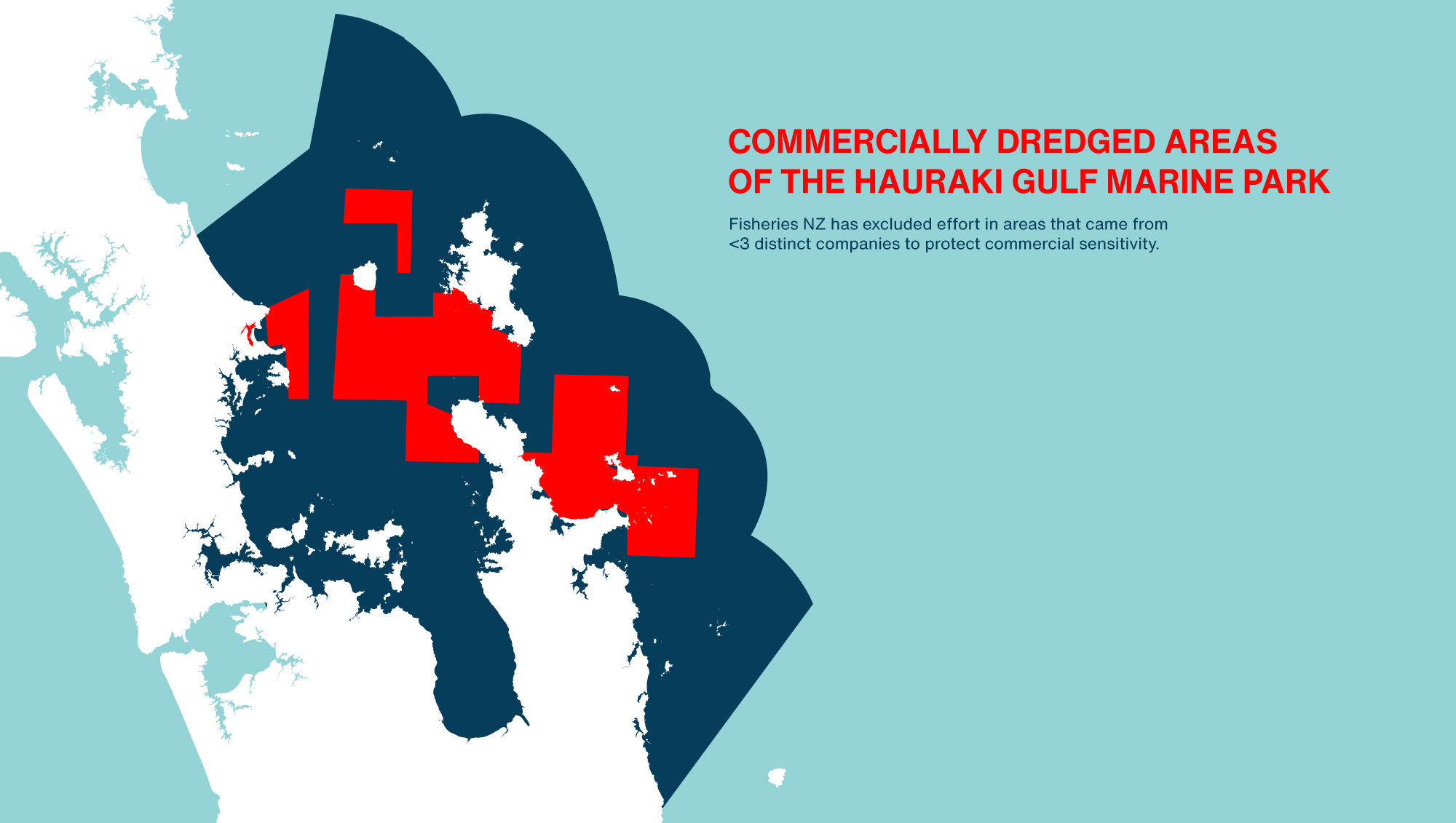
I received a response to my OIA request (Heatmap A, Heatmap B). I have added the dredged areas together and removed the proposed HPA’s, SPA’s and CPZ’s to calculate the percent of the HGMP that will be ‘frozen’ under the Governments plan to ‘revitalise the Gulf‘. More than 20% of the Gulf will remain heavily impacted by commercial dredging with no public input into the decision.

Update 28 September 2022:

The cost to create $774.1km2 of Marine Protection Areas in the plan (assuming they are no-take) to 11 commercial fish species was calculated to be $3,436,014. If we crudely scale up the figure for the gains to snapper / tamure alone based on this paper we get $209,710,000. Or a net gain of more than 200 million dollars! This is an incredible number, MPAs would not be adding so much money to commercial fisheries if they did not manage fish levels at such incredibly low numbers. Clearly Fisheries New Zealand should be making MPAs (at speed) all around NZ.

Update 28 October 2022:

Our painfully detailed submission on the marine protection proposals.

Feeding our forests

I have begun doing some work with the Northern New Zealand Seabird Trust who invited me to come and help them with some field work on the Poor Knights Islands. My father had visited the Islands when he worked for DOC in the 1990’s, his stories about the reptile abundance really inspired me to do restoration work, and I jumped at the opportunity to go.

Landing on the Island is notoriously difficult and our first shot at it was delayed, we had to go back to Auckland to wait for better weather. The islands are surrounded by steep cliffs that made European habitation impractical, Māori left the area in the 1820’s. This means the island I visited has never had introduced mammals, not even kiore! I spent days cleaning my gear to get through the biosecurity requirements which are incredibly strict for good reason.

I have explored a few predator free islands including Hauturu / Little Barrier Island which has been described as New Zealand’s most intact ecosystem. However it was only cleared of rats in 2004. When I am photographing invertebrates at night in mainland sanctuaries or forests with predator control (like Tāwharanui Regional Park or parts of the Waitakere Ranges) I see one reptile every eight hours or so. On Hauturu / Little Barrier Island I see them every 20 minutes, but on the Poor Knights it was every two minutes! Bushbird numbers were lower than other islands, I expect this is because reptiles and birds compete over prey species. I wonder if reptile numbers on other islands might be slower to recover because they are preyed on by bushbirds. I reckon that the Poor Knights total reptile and bushbird biomass is much greater than the restored islands I have visited. One reason for this is that reptiles use less energy to hunt than bushbirds but the other reason might be because it has more seabirds.

While walking through the bush at night I would sometimes hear a crashing in the canopy followed by a soft thump on the ground. In an incredible navigational feat the seabirds somehow land only meters from their burrows. At night I heard Buller’s shearwater, grey-faced petrel, little penguins and diving petrel (fairy prion finish breeding in February). While monitoring birds at night I was showered with dirt by a Buller’s shearwater who was digging out a burrow. In my short time on the island I saw cave weta and three species of reptile using the burrows. Like a rock forest the burrows add another layer of habitat to the ecosystem. It was incredibly touching to see the care and compassion the researchers had for some of the chicks who were starving while waiting for their parents who often have to travel hundreds of kilometres to find enough food. The chicks who don’t make it die in their burrows and are eaten by many invertebrates, the invertebrates in turn become reptile or bushbird food. The soil on the island looked thick and rich, when it rains nutrients are bought down into the small but famous marine reserve which is teaming with life.

I was only on the island for three nights but I was very fortunate to experience a pristine ridge to reef ecosystem. Seabirds are incredible ecosystem engineers who were an integral part of New Zealand’s inland forests for millions of years. Communities are making small efforts to bring seabirds back to predator free island and mainland sites with no control over seabird food sources. If we really want intact ecosystems we will have to make sure our oceans have enough food for seabirds to feed our forests.

Alternative words for environmental terms

I really like this list of alternative words for environmental terms, offered by George Monbiot & Ralph Steadman. I have rebuilt it in HTML with some additions and deletions, I plan to evolve it over time.

Existing termsWhat’s wrong with itAlternative terms
EnvironmentCold, technical
Seen as seperate
The natural world
Global warmingWarm sounds pleasantGlobal overheating
BiodiversityInaccessibleWildlife
Ecosystem servicesAnthropocentric and reductiveLife support systems
Nature reserve‘reserve’ suggests coldnessWildlife refuge
Habitat destruction
Deforestation
Biodiversity loss
Sounds like they are happening to themselvesEcocide
ConservationPreserving what little is left rather than rebuilding living systems (New Zealand needs a department of Restoration)Restoration
Clean rivers / seasSounds too hygienic, is blind to waters as habitatsThriving rivers / seas
Fossil fuelsSuggests redundancyDirty fuels
Sustainable developmentGreen growth is an oxymoronRegenerative development
PhotopollutionToo technical, doesn’t indicate what is being impactedEcological light pollution
StormwaterSuggests that the water is unwanted, unnecessary or unsavouryRainwater
MARINE
Fish stocksSuggests fish are here to serve usWild fish populations
Biofoul, foul, foul groundSuggests there is something ugly about biogenic habitatsSea life, seafloor life, benthic epifauna
FishingCasual everyday activityKilling native wildlife
Bait fishImplies the fish exist to be baitSmall schooling fish / forage fish / small pelagic fish / shoaling fish
Bait ballImplies the fish exist to be baitTight ball of fish
SeaweedsPest connotationsOcean plants
Mobile bottom contact fishingImplies a light touch(Mobile) Bottom impact fishing

Don’t buy a water storage solution from Bailey Tanks.

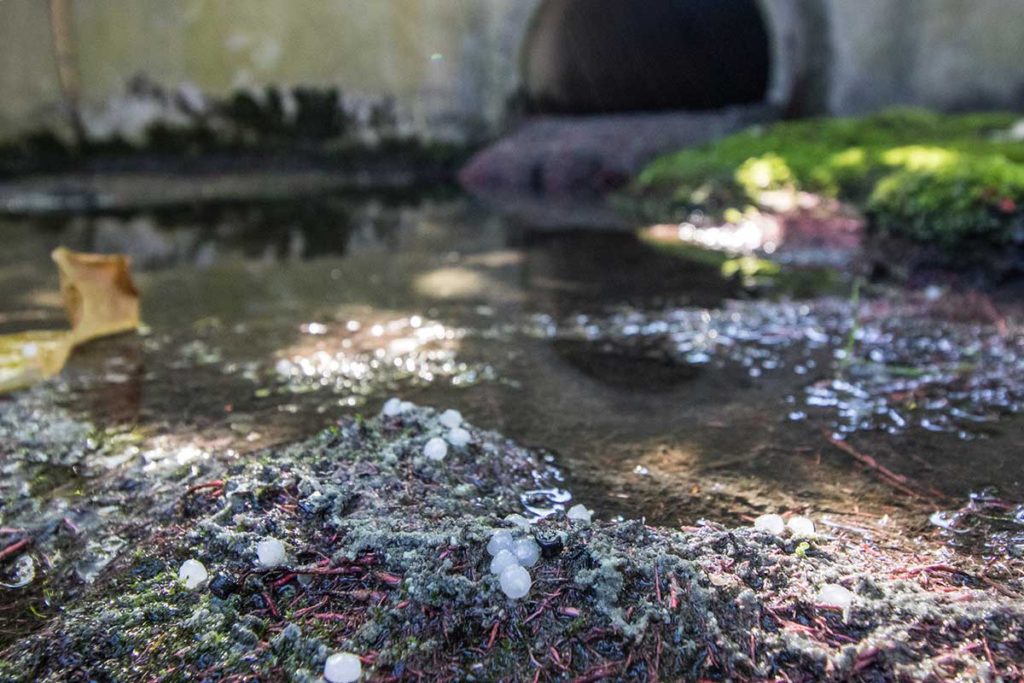
Bailey Tanks make their water storage tanks from plastic which comes into the business as small pellets. Since August 2017 I have seen these plastic pellets coming out of their business at 36 Ash Rd, Wiri and into the local stream where it flows into the Manuaku Harbour. I have been regularly reporting the pollution to Auckland Council who have been asking the business to clean up their act, they were fined $750 on the in May 2017 however the plastic keeps coming out.

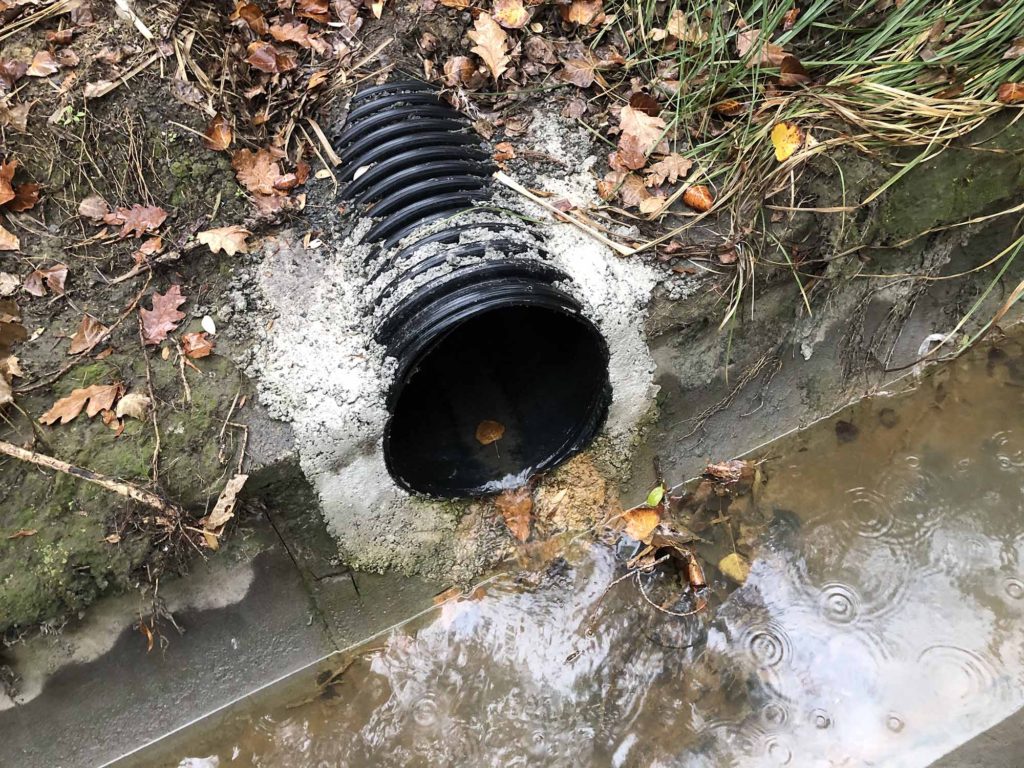
Bailey Tanks stormwater outlet (August 2017)
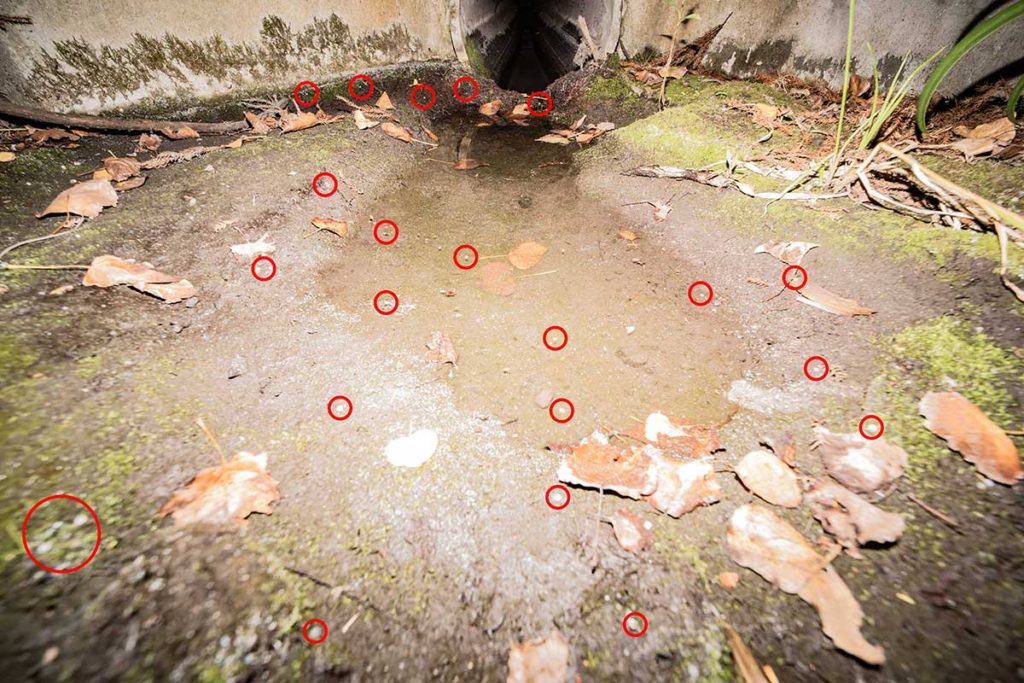
You can see the small plastic pellets littering their yard from the street (9 Feb 2020 Council job number INR60232011).
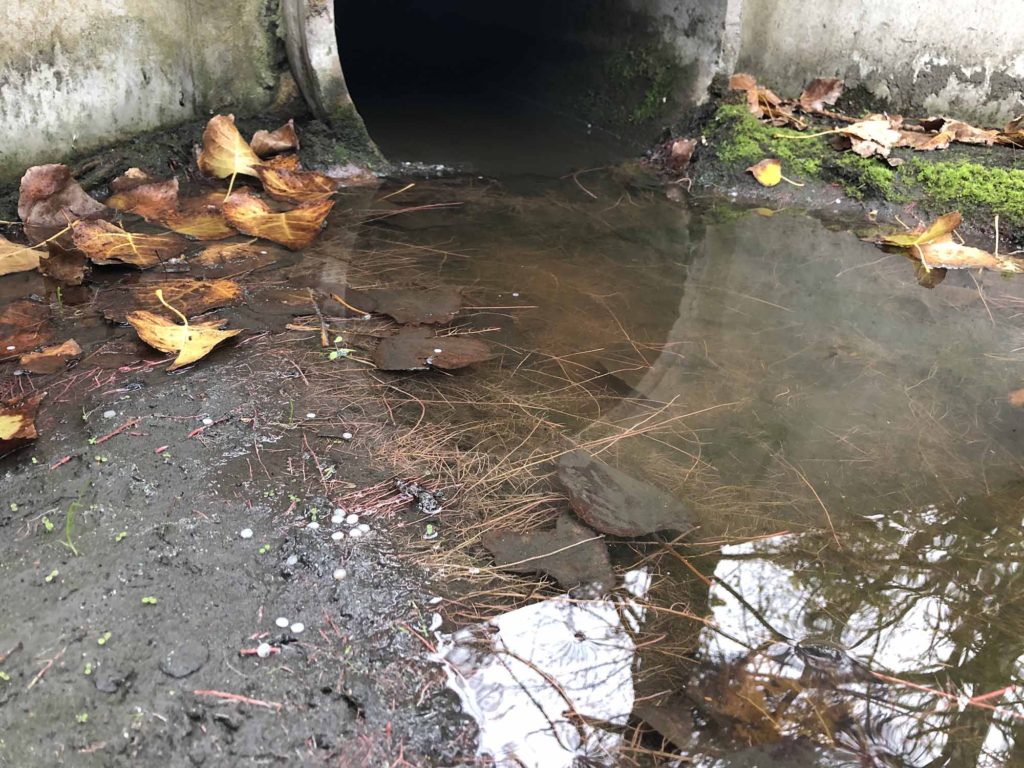
Plastic pellets (nurdles) at stormwater pipe exiting the Bailey Tanks (9 May 2019 Council Job number #8260221120).

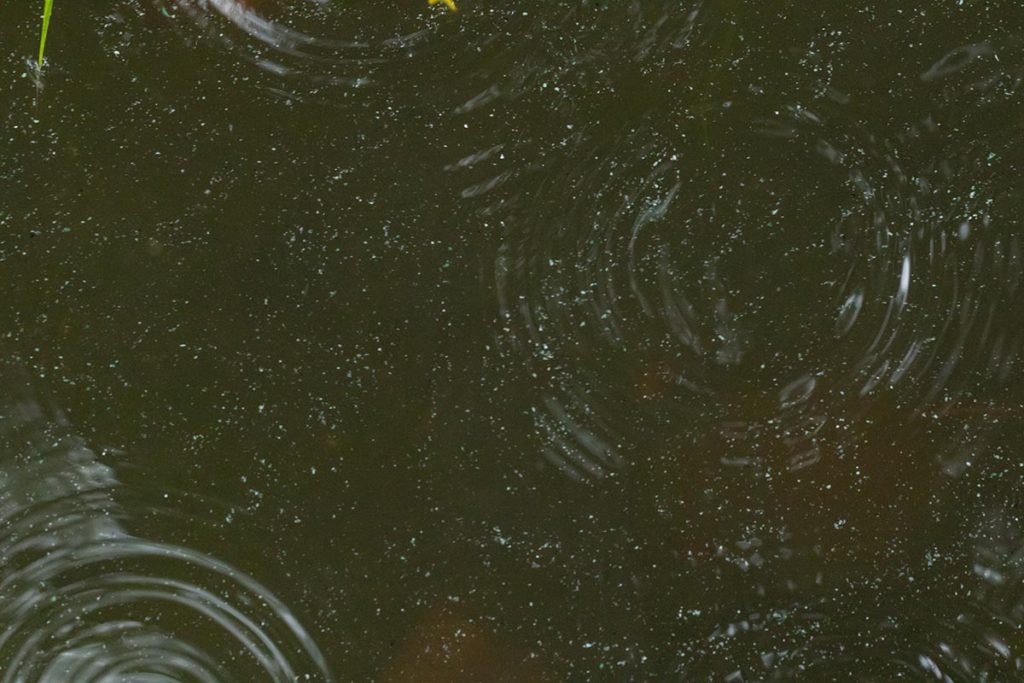
Today (22 February 2020) I thought I would go and see if the rain would increase the amount of plastic washing to the stream. Pallets were coming but I was horrified to see the surface of the water covered in a fine plastic powder which they also use to make their products. Council job number 8260232660.

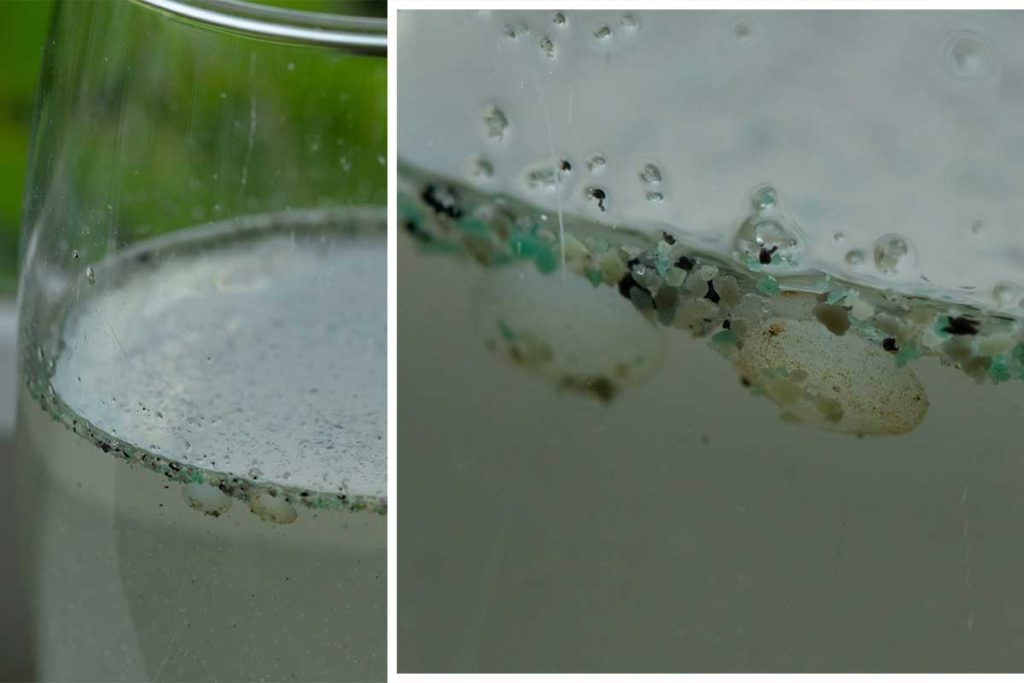
I took a sample home to have a better look at these micro plastics close up.
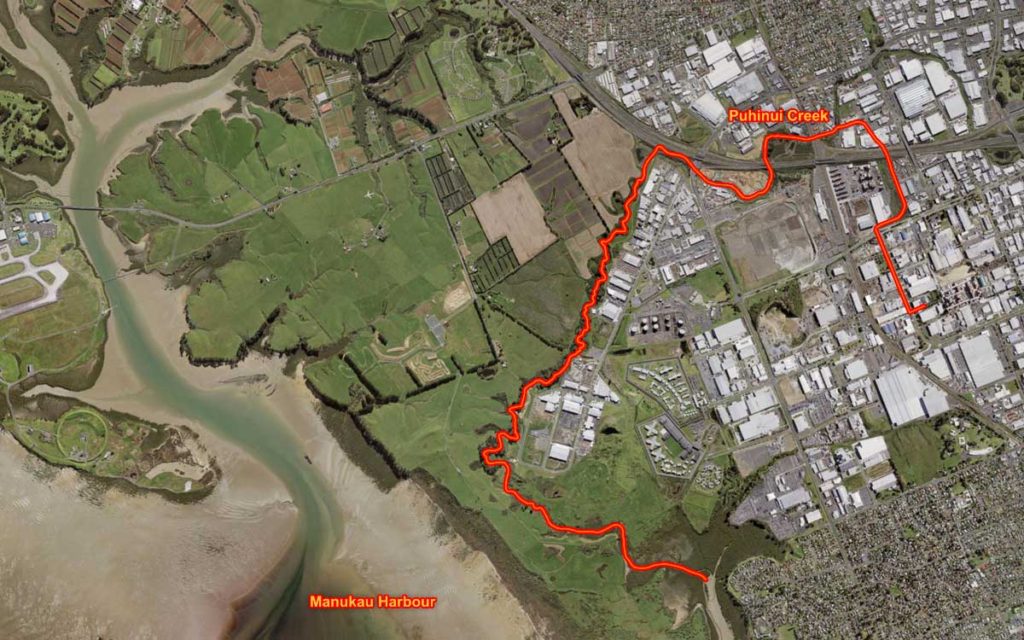
This is the path the pollution takes from the stormwater outlet to Puhinui Creek and then the Manukau Harbour. Map constructed using data from Auckland Councils Geomaps service.

Industrial pollution is usually event based, where a business has accidentally spills something and creates a pollution incident. This kind of slow leak is much worse, I hate to think how much plastic this company has dumped into the Manukau Harbour where it poisons our wildlife.

Newsroom reporter Farah Hancock investigated the site after the February 2020 incident and reported on it.

UPDATE: 24 May 2020

A new pipe has been installed upstream and was flowing clear when I visited at 3pm today.
But the old pipe continues to leak plastic. It took 20 minutes to log the incident with Auckland Council (Job number 8100624496) during which time I counted 18 plastic pellets exiting the pipe. I said I would wait for the officer (to show them the pollution) but I got a text back saying they will not visit until tomorrow.

UPDATE 12 JUNE 2020
I followed up on the the job number above (8100624496) to find out that officers did not visit the site to investigate the incident. I requested a site visit with officers but they refused.

UPDATE 13 OCTOBER 2020

The site was the cleanest I had ever seen, the business is clearly trying to clean up their act which is great. (Just one plastic pellet sighted). It’s a shame that they just cant stop leaking plastic tho. Check out the tiny bits of plastic powder in this video. Council RM Incident 8620239074, INR60239074.

UPDATE 25 FEBRUARY 2024

First significant rain in weeks today. Checked 9am after it had been raining for about 45minutes. Very pleased to not see plastic in the water.