The government’s plan to revitalise the Gulf includes creating new marine protected areas and phasing out bottom trawling in some zones. These are welcome moves, but they will take time—and they don’t go far enough.
The Gulf’s biggest problems—seafloor damage and sediment—are hard and slow to fix. We’ve dredged and trawled the biogenic habitats into collapse, then smothered what’s left with sediment from land. Even if we stopped all bottom-impact fishing and upstream erosion today, it could take decades for the seafloor to recover.
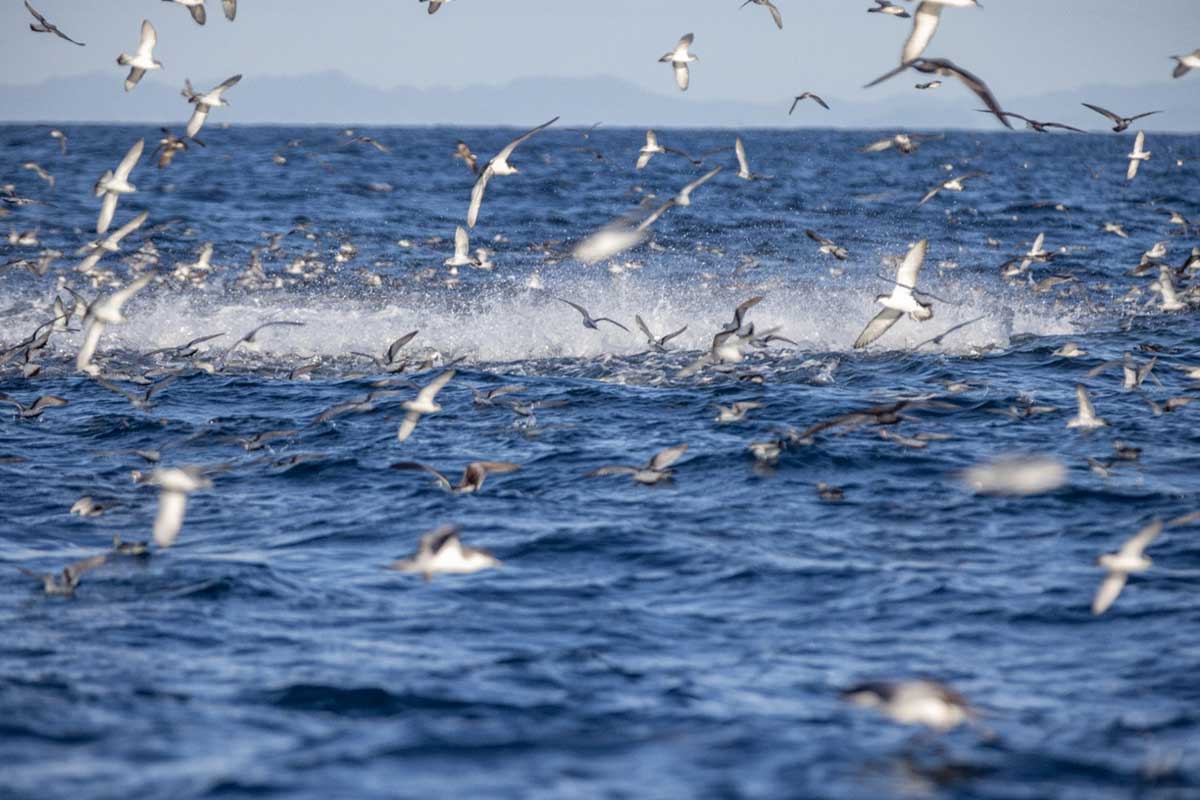
But rebuilding the forage fish layer—the small, plankton-eating species that transfer energy up the food chain—is faster, cheaper, and more within reach. The evidence is clear that this “wasp waist” of the ecosystem is under strain. Bryde’s whales have shifted away from fish toward krill. Kororā / little penguins are starving. Tākapu / Gannets and Tara / White-fronted terns are abandoning inner Gulf colonies. The State of Our Gulf reports point to these changes as signs of a food web in trouble.
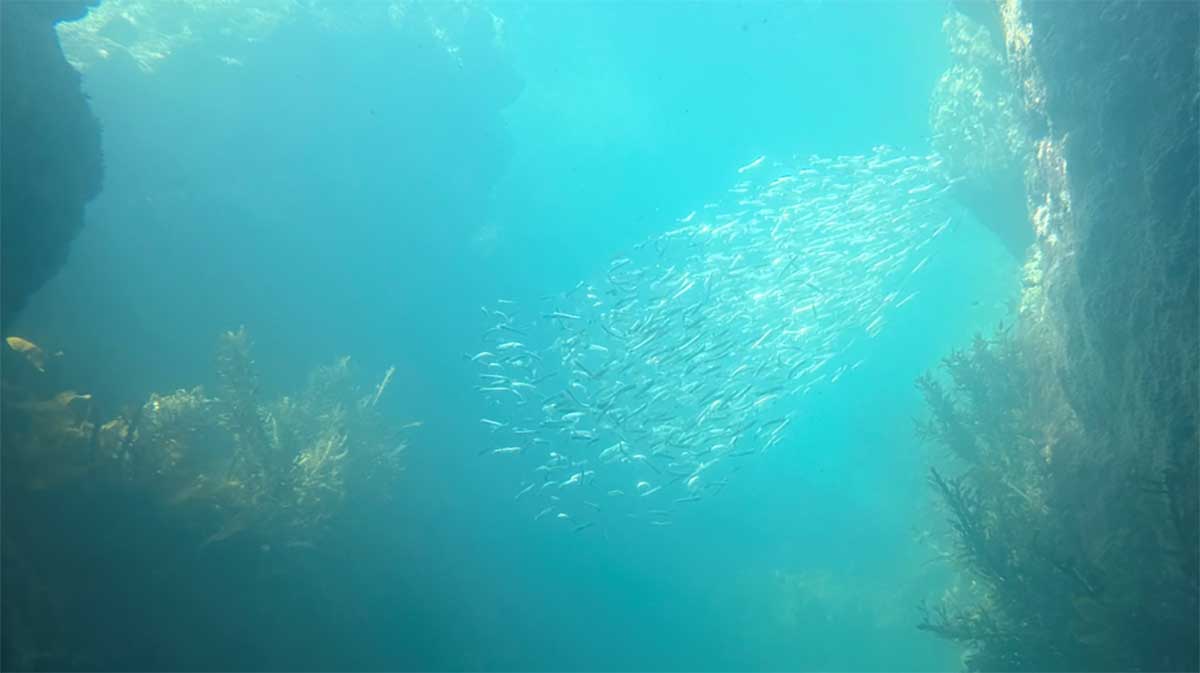
Yet despite all this, the latest advice from officials fails to move us meaningfully toward ecosystem-based management. The Hauraki Gulf Fisheries Plan includes a commitment to review the management of key forage species to “ensure that removals do not adversely affect the marine food chain.” But the current proposals do not deliver on that intent. Instead of aiming to rebuild abundance or account for the role of forage fish in the food web, the advice retains high catch limits for fish populations we know very little about. No stock assessments have been completed for kokowhāwhā / anchovy, kupae / sprat, takeke / garfish, aua / yellow-eyed mullet, or hautere / jack mackerel. We don’t know how many fish are out there, and we’re not using predator health or ecosystem indicators to guide decisions.
Instead, Fisheries New Zealand has proposed number-shuffling. The most recent proposals claim to reduce pressure by cutting catch limits, but the proposed limits are still higher than what’s actually being caught. That means there’s no real constraint on fishing effort. The door stays open for increases, even as the ecosystem shows stress.
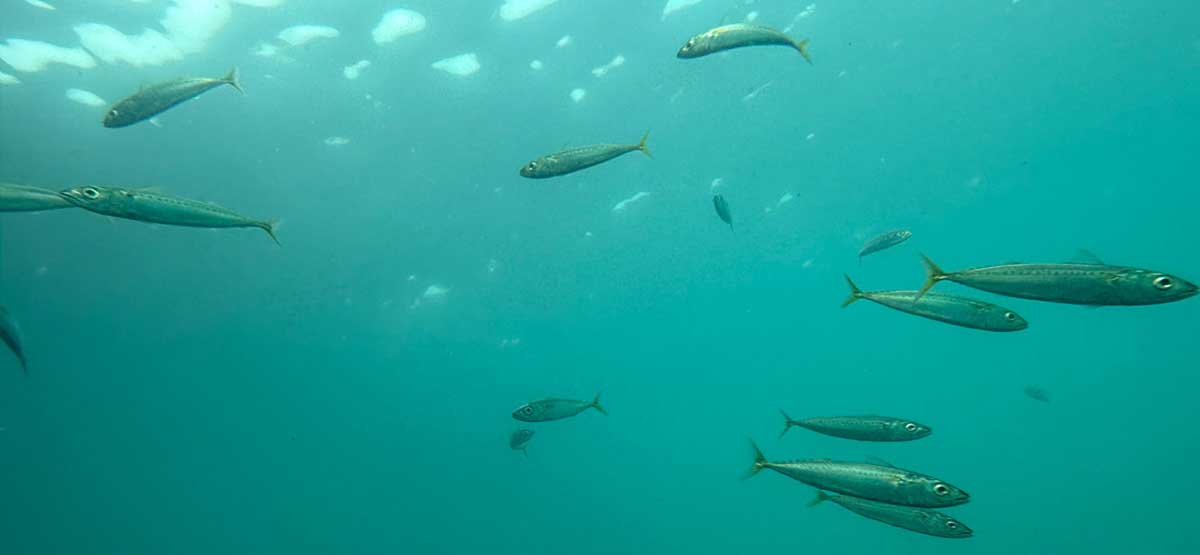
Adding to the contradiction, tawatawa / blue mackerel—currently the single largest fishery by weight in the Hauraki Gulf—is proposed for an increase in catch. This species forms dense schools and plays a central role in mixed-species feeding events with dolphins and seabirds. At a time when ecosystem stress is evident, boosting the take of such an important forage species moves us in the wrong direction.
Climate change is only making this worse. These species are vulnerable to rising sea temperatures and declining plankton. We can’t control the oceans response to climate change, but we can control fishing. Leaving more fish in the water builds resilience for the species that depend on them.
Fisheries New Zealand is not proposing ecosystem-based management. It’s pretending to act without changing outcomes. If we were serious about managing the Gulf as a living system, we’d listen to the dolphins, whales and seabirds.
The forage base is the fastest thing we can fix. But only if we’re willing to try.