I have been helping Forest & Bird campaign for the Sea Change – Tai Timu Tai Pari marine spatial plan. I talk about some of the work I am doing in the Gulf here.
Seeking clarity

Mostly just stuff I am doing to help the planet
I have been helping Forest & Bird campaign for the Sea Change – Tai Timu Tai Pari marine spatial plan. I talk about some of the work I am doing in the Gulf here.


First weeding day with the OBC And Mike Lee was awesome. I have made a small website for volunteers to join up.

The Okiwi Estuary (Whangapoua, Aotea / Great Barrier Island) used to contain the last naturally occurring soft-sediment mussel reef in the Hauraki Gulf.
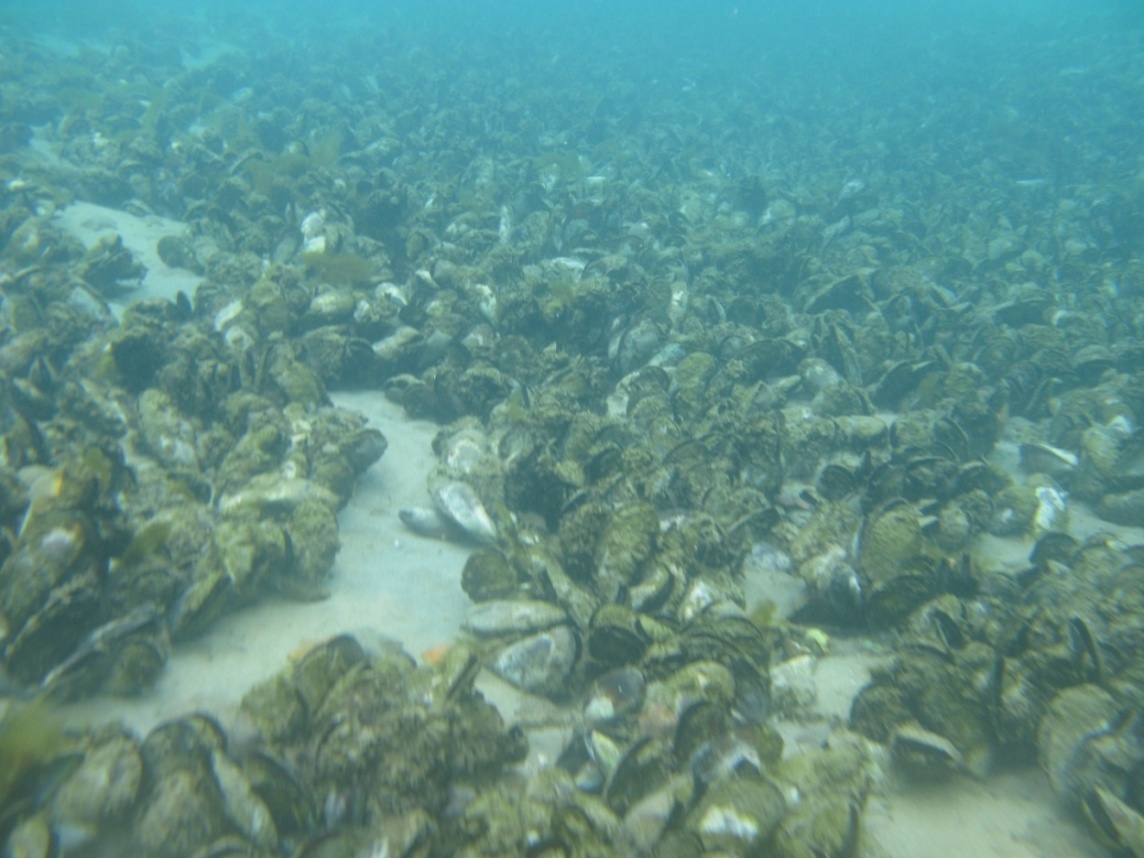
“Aggregations ranged from a few individuals to meters in diameter. Mussels were frequently attached to pipis, partially buried in the sandy substrate. There were an estimated 3.2 million adults. Compared to other sites Okiwi mussels had the poorest condition but highest densities of invertebrates” – Ian Mcleod’s 2009 thesis on soft-sediment mussel systems in northeastern New Zealand.
Unfortunately they were nearly completely wiped out by a major storm.
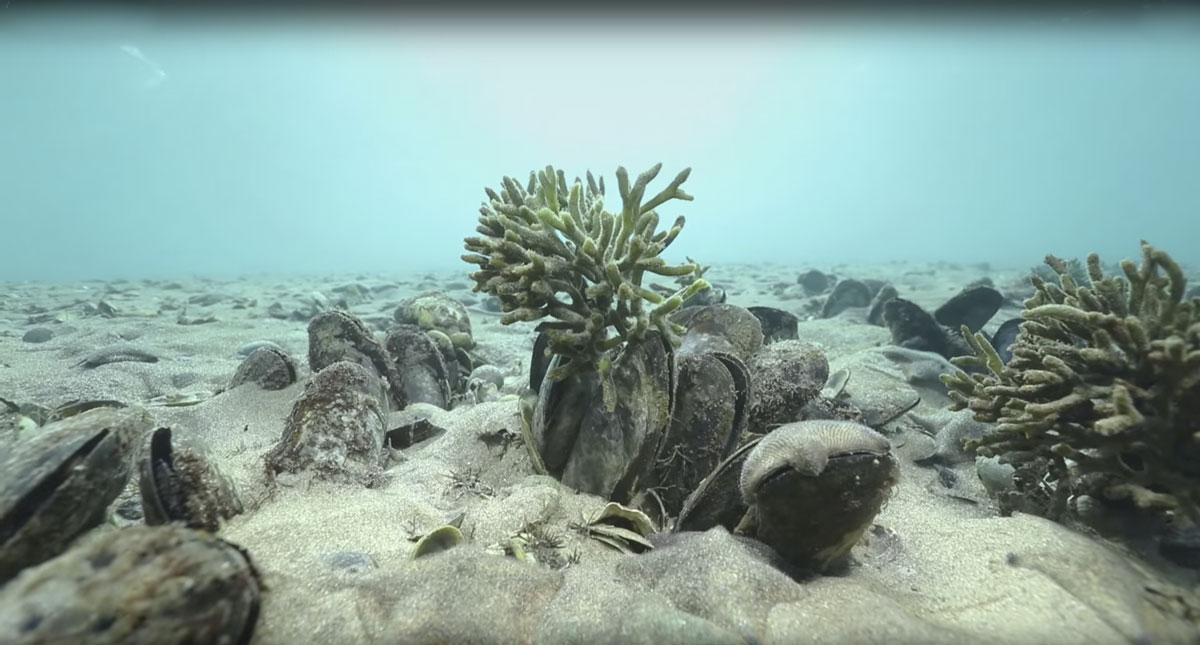
I went for a swim on the outgoing tide (excuse the murky tannin stained water) to investigate 2 years later (April 2017).
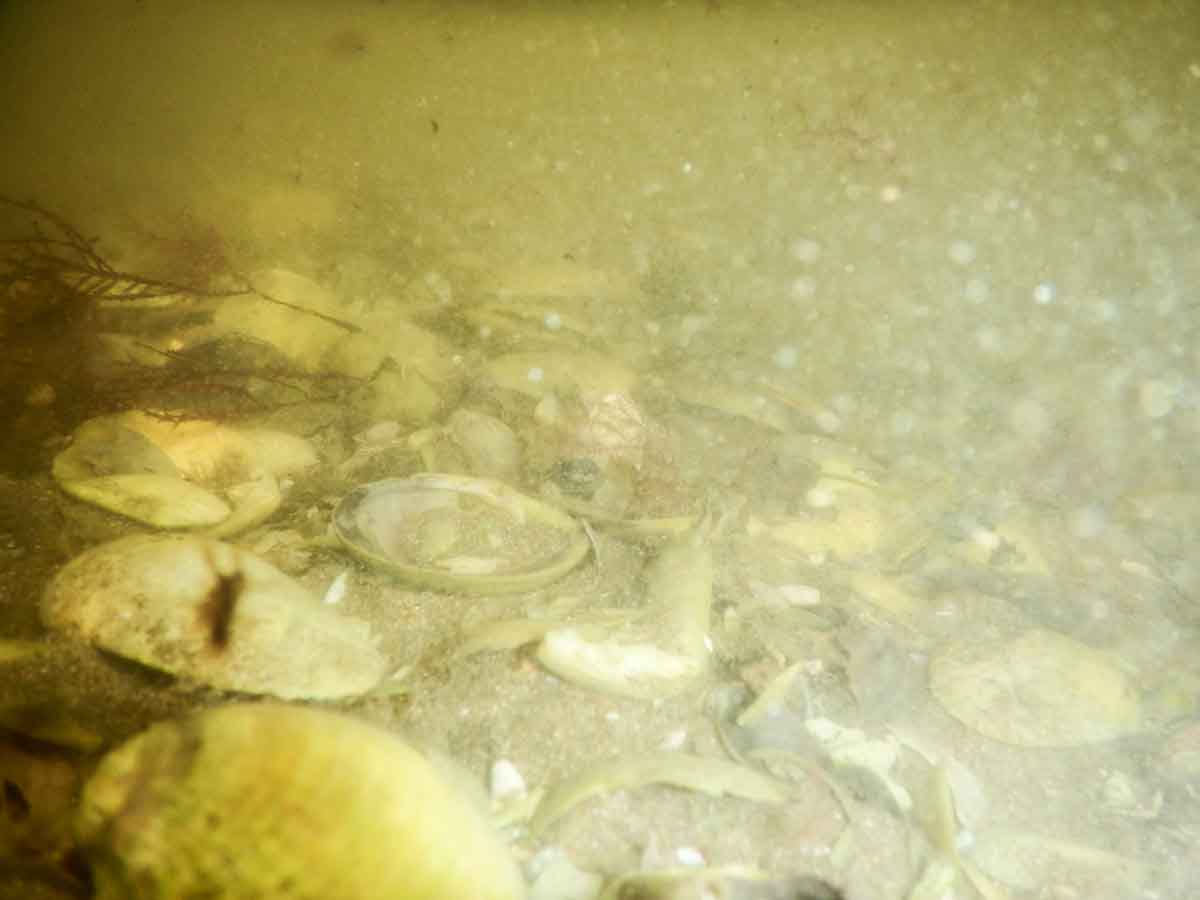
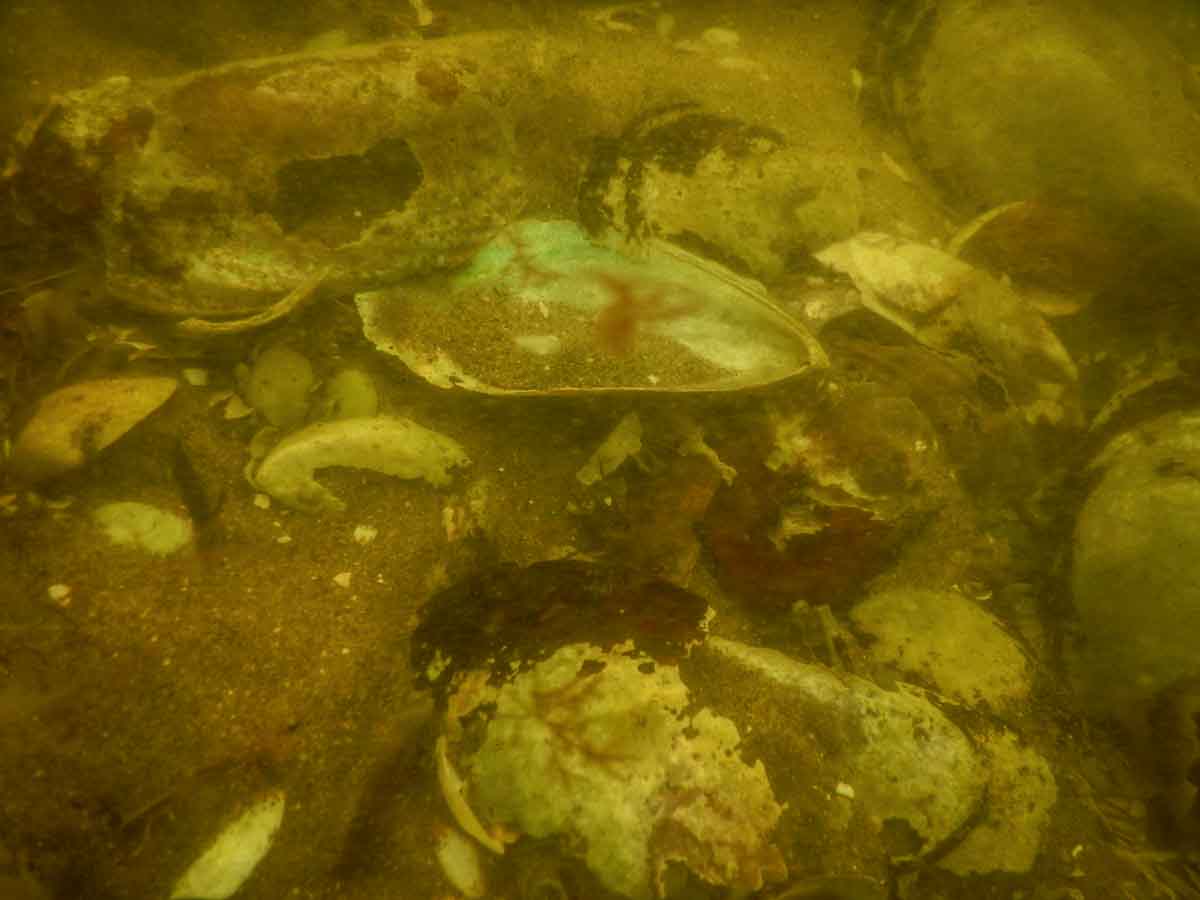
Only 50 meters or so upstream I found some small regenerating clumps.
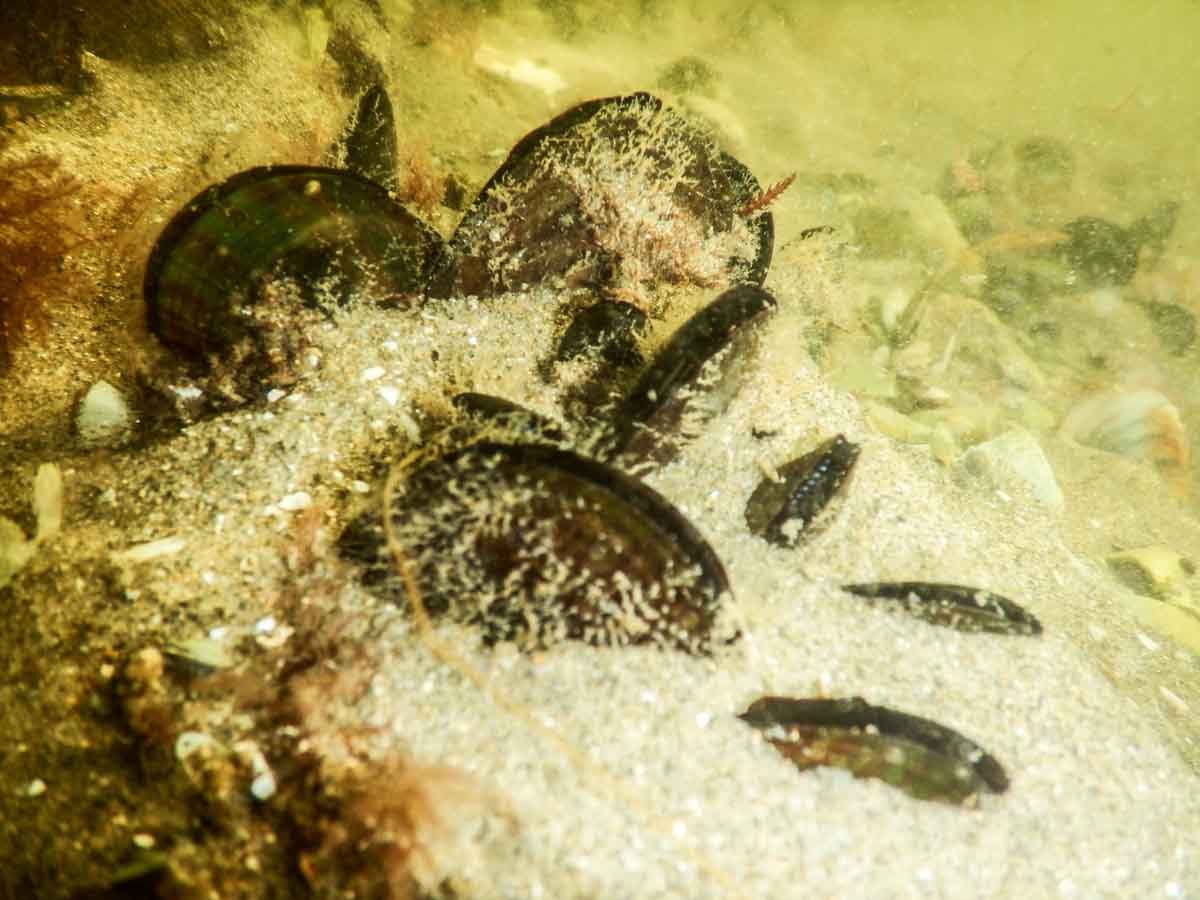

I was really pleased to see juveniles. Note the abundant red (not green) algae. Short video below.
If we left the bed alone, I wonder how many years it might take for it to completely regenerate?
UPDATE January 2018
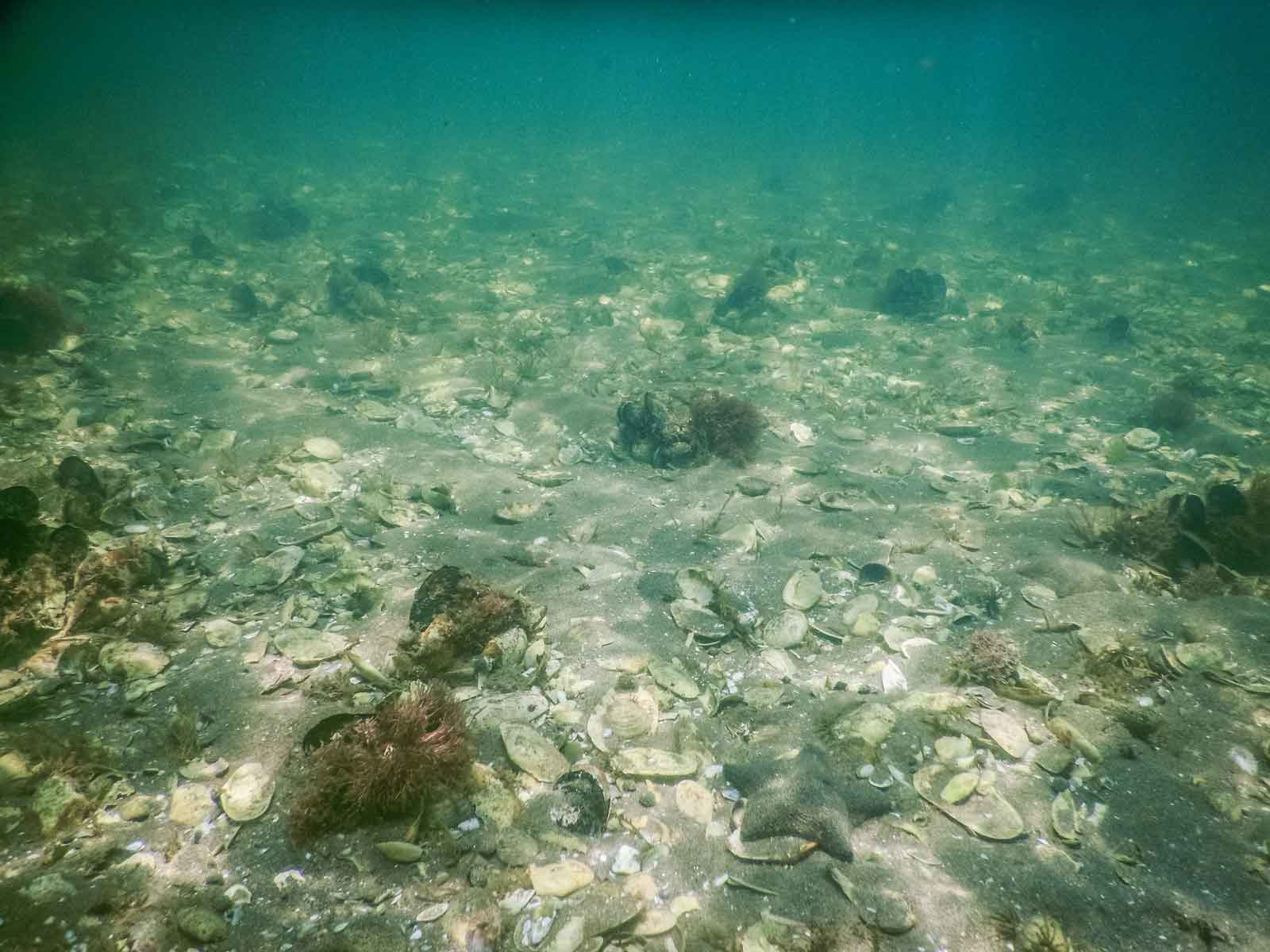
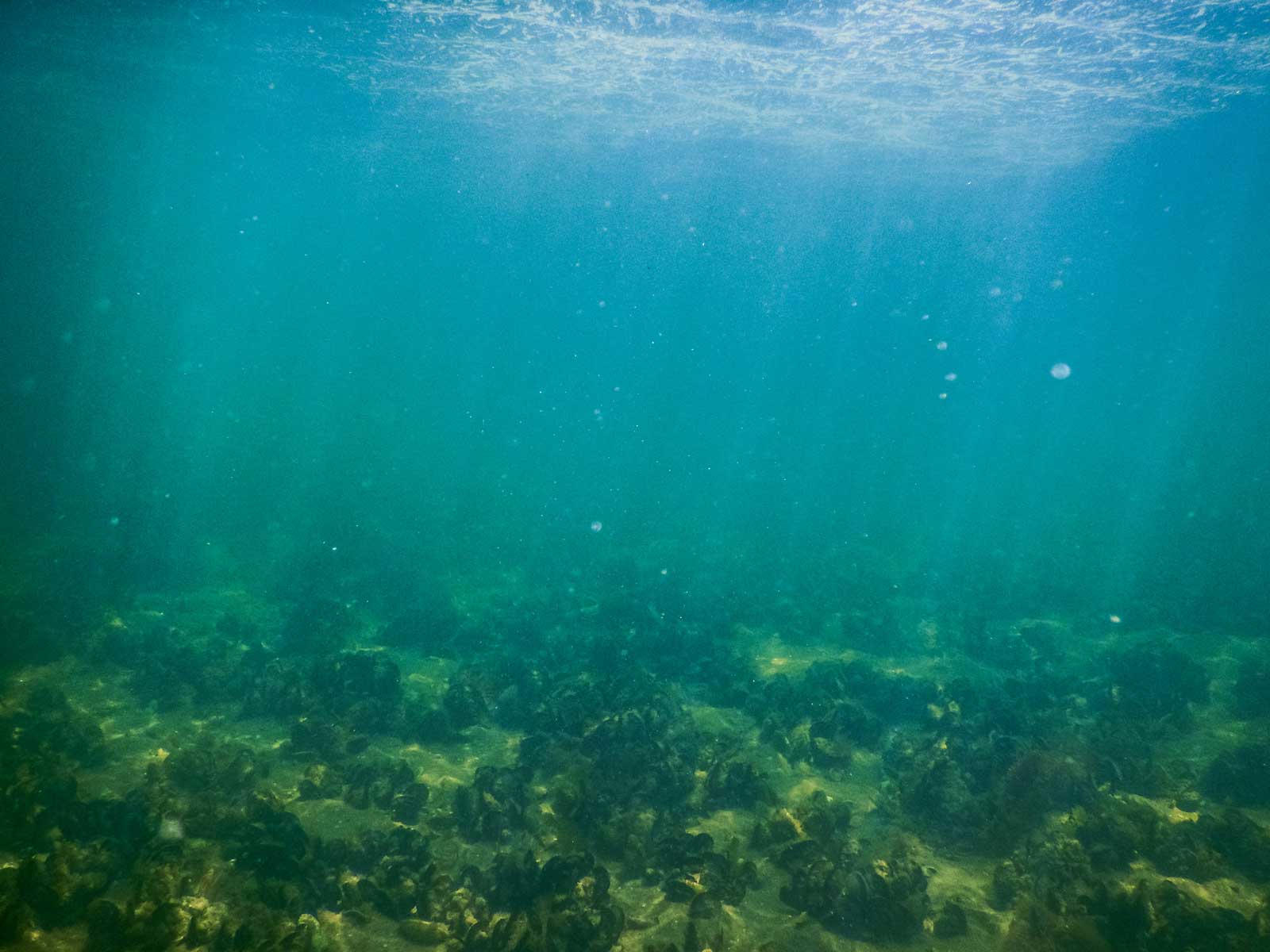
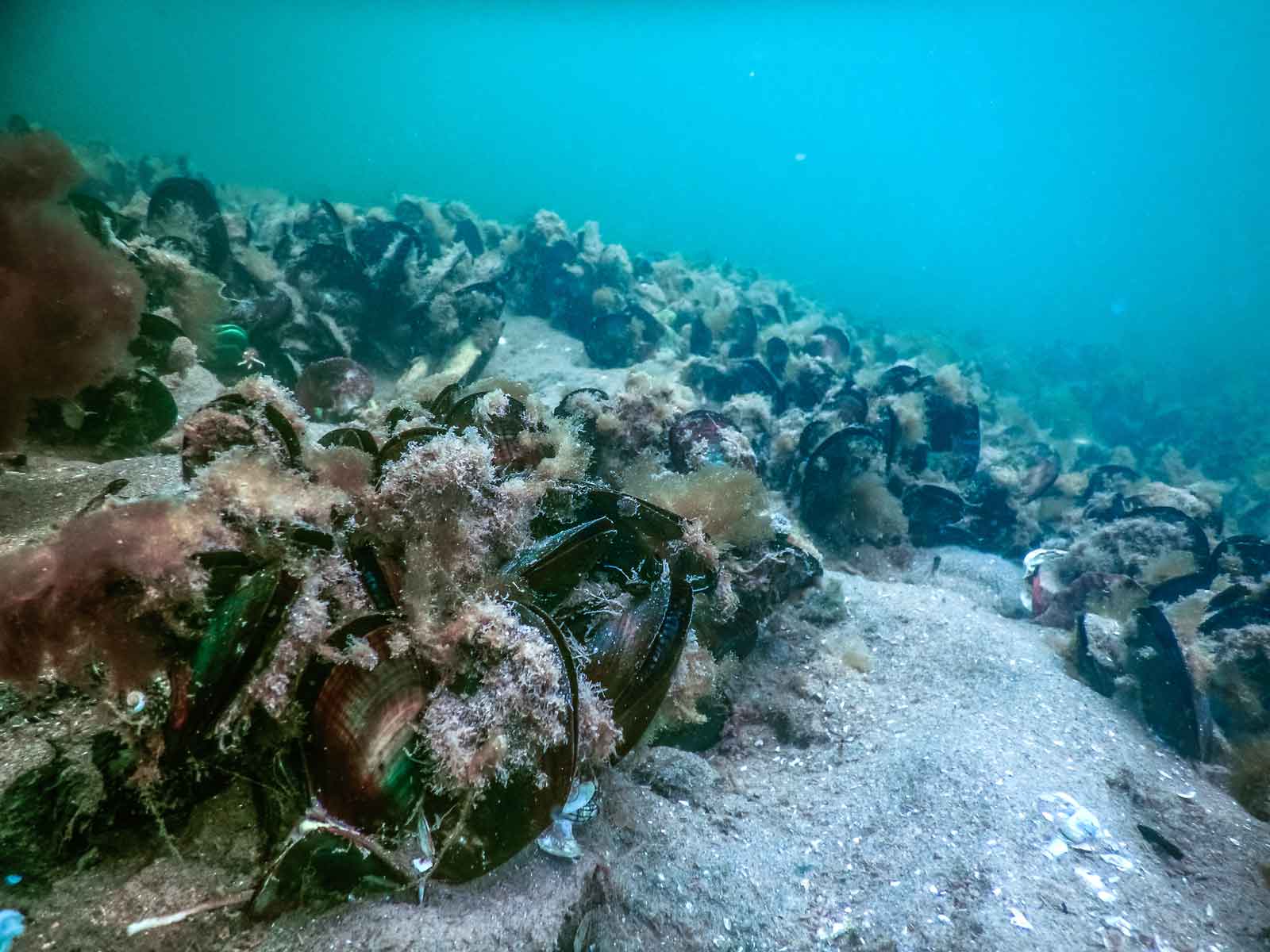
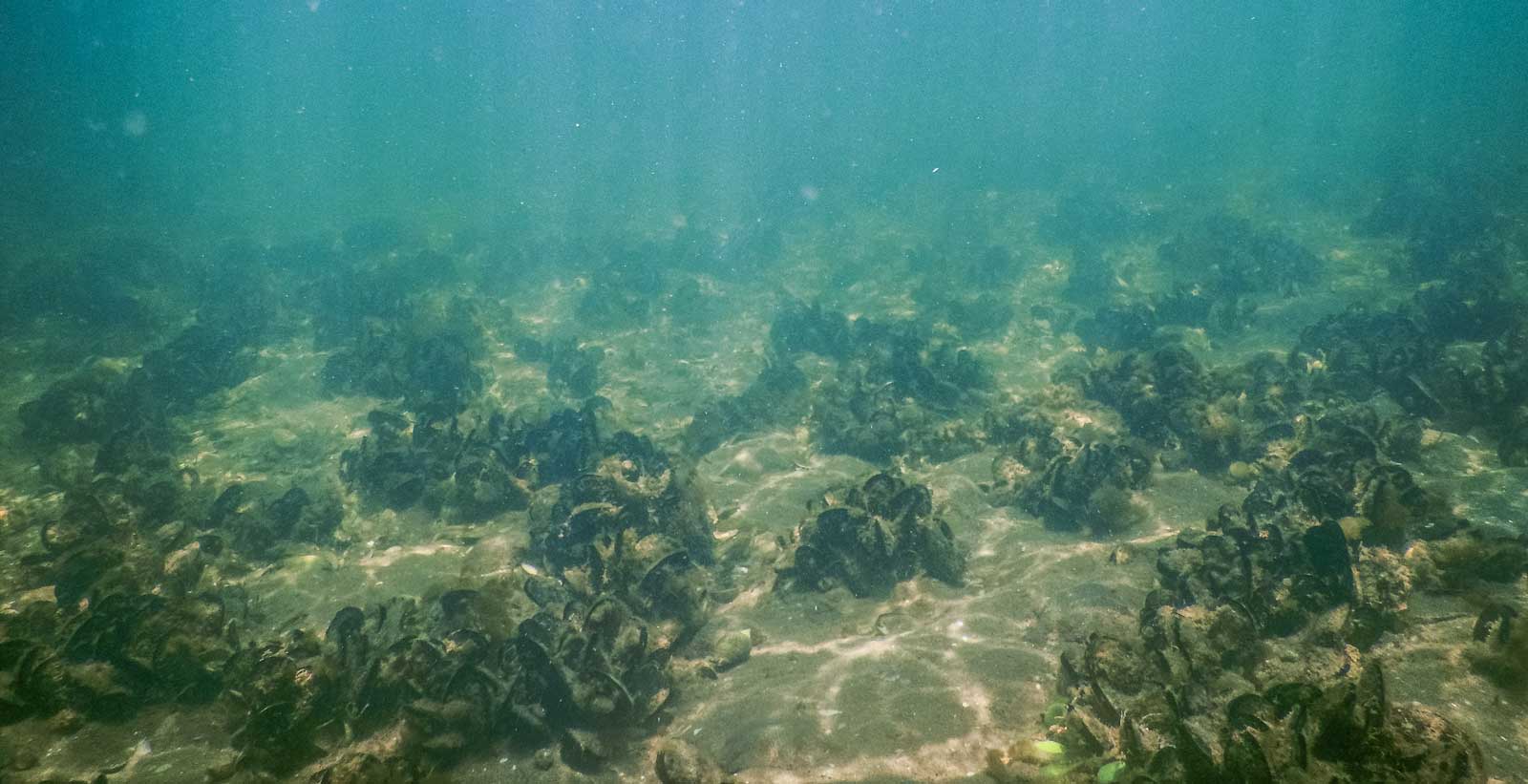
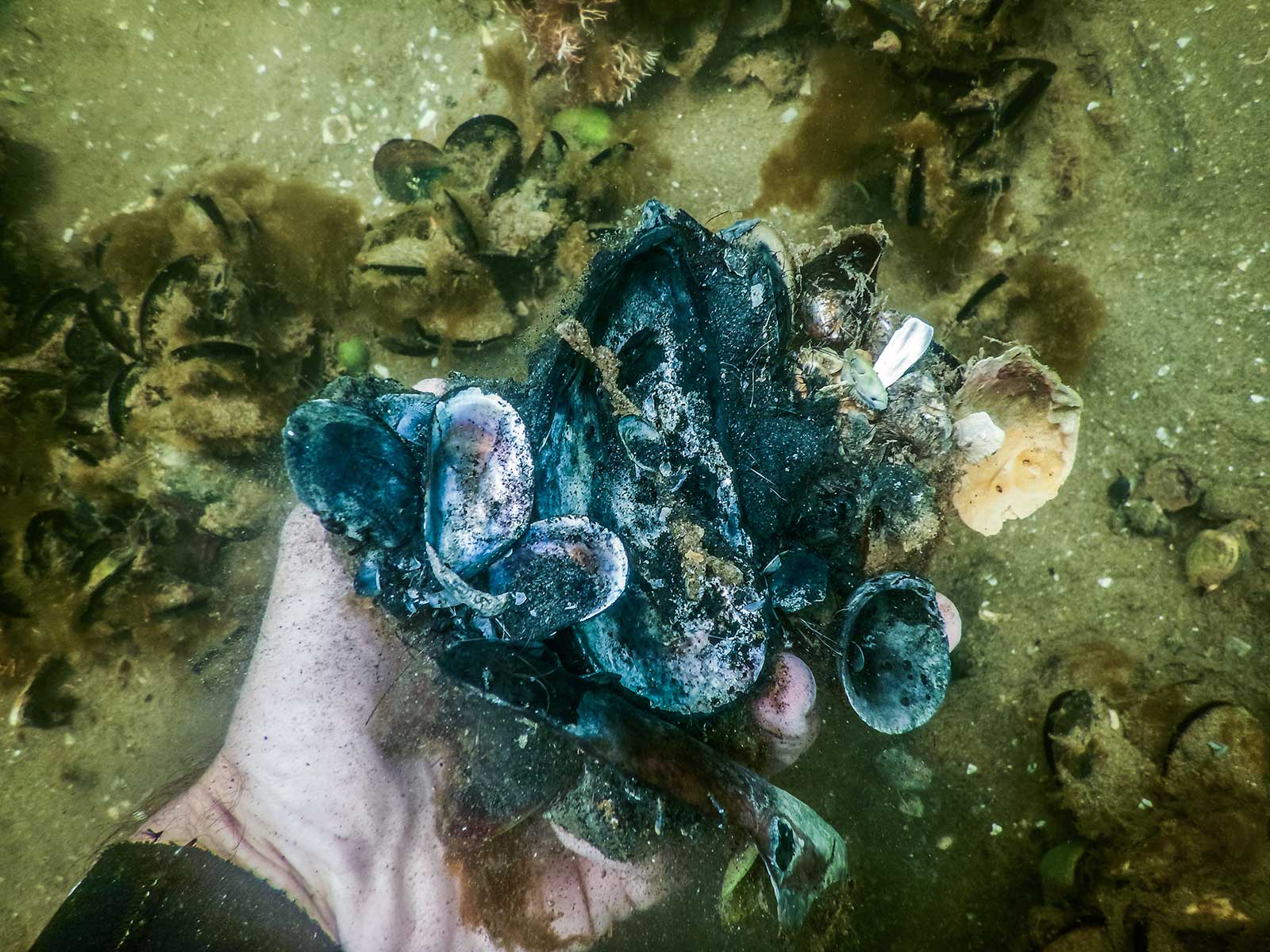
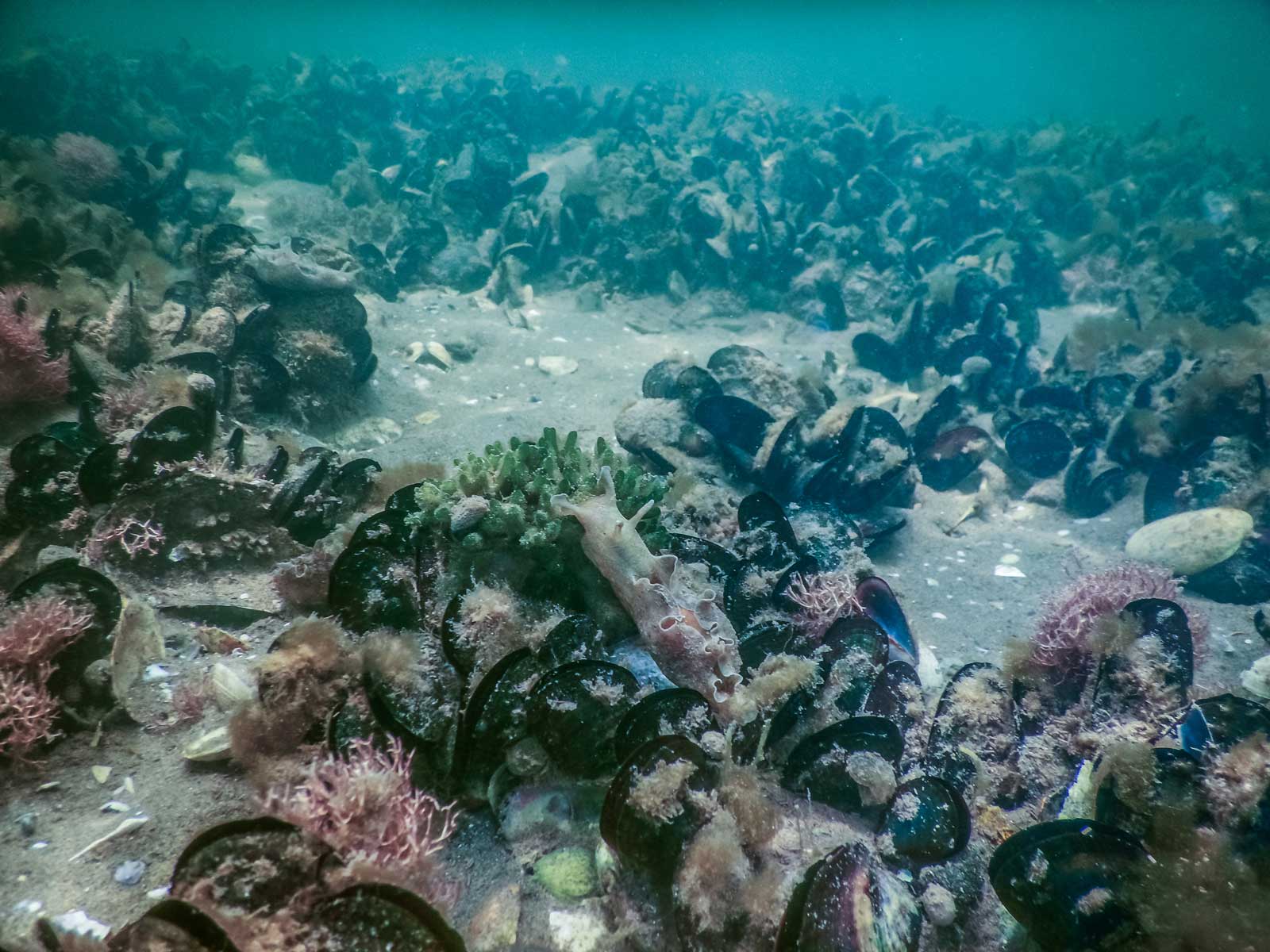
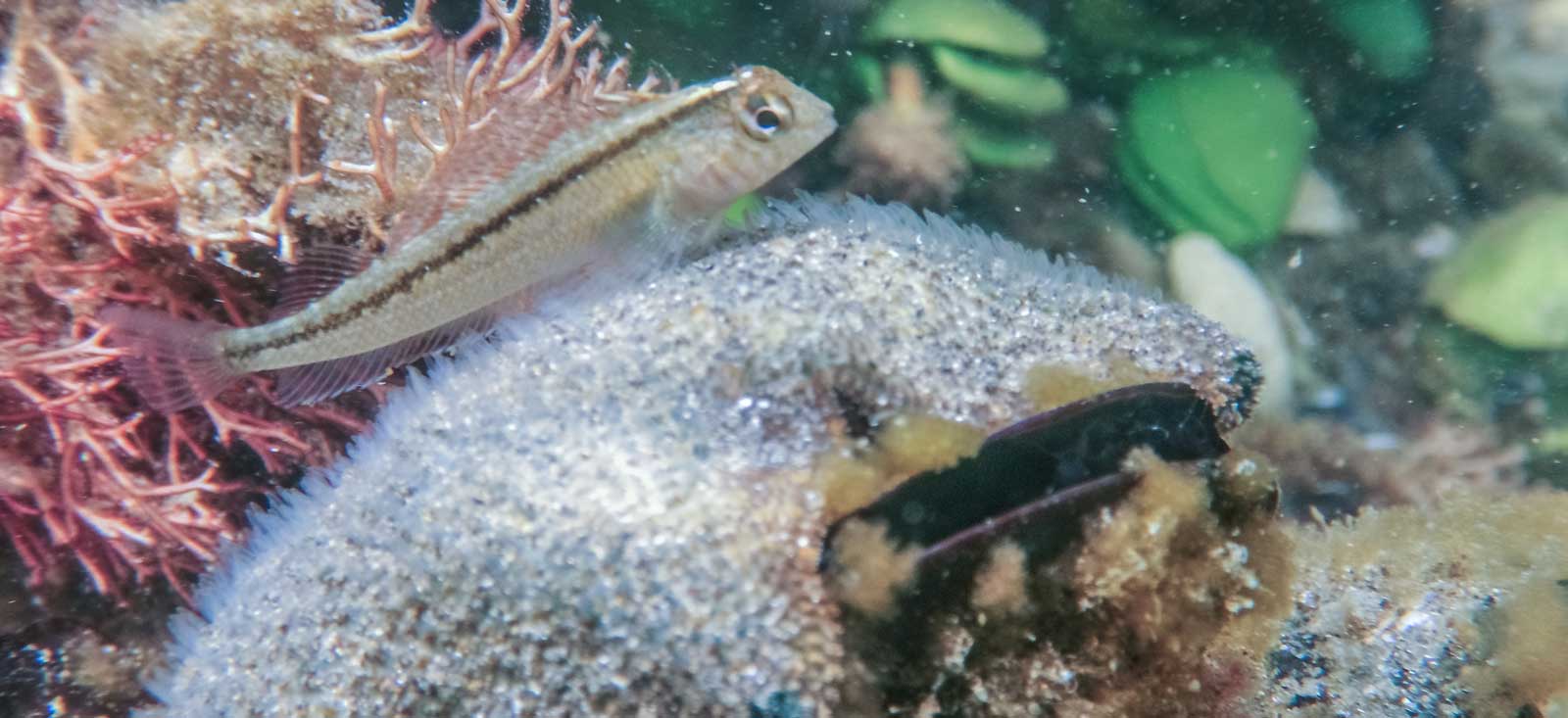
I was able to visit the site again and was so impressed with it’s growth. The bed is awesome:
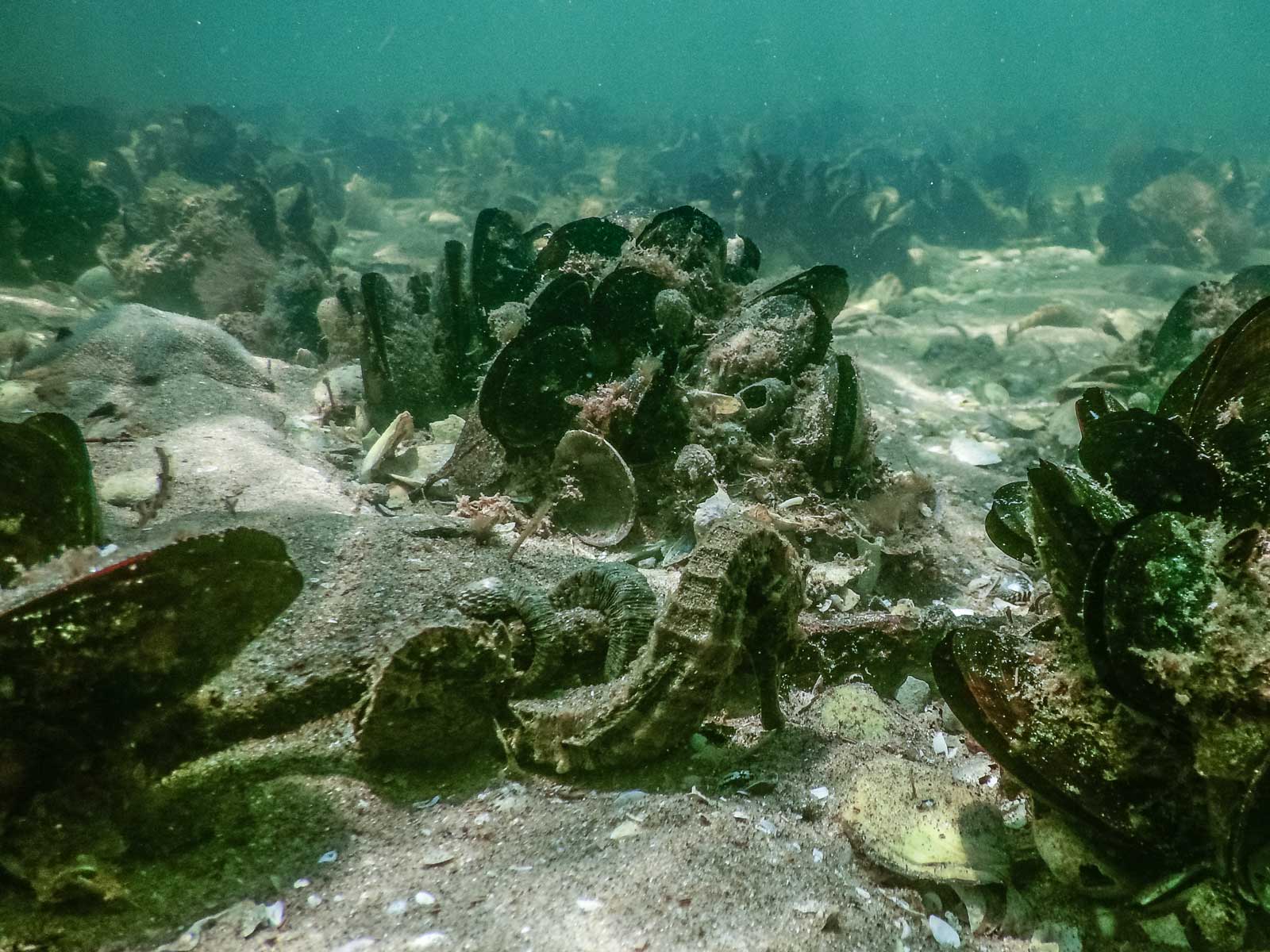
Update January 2019
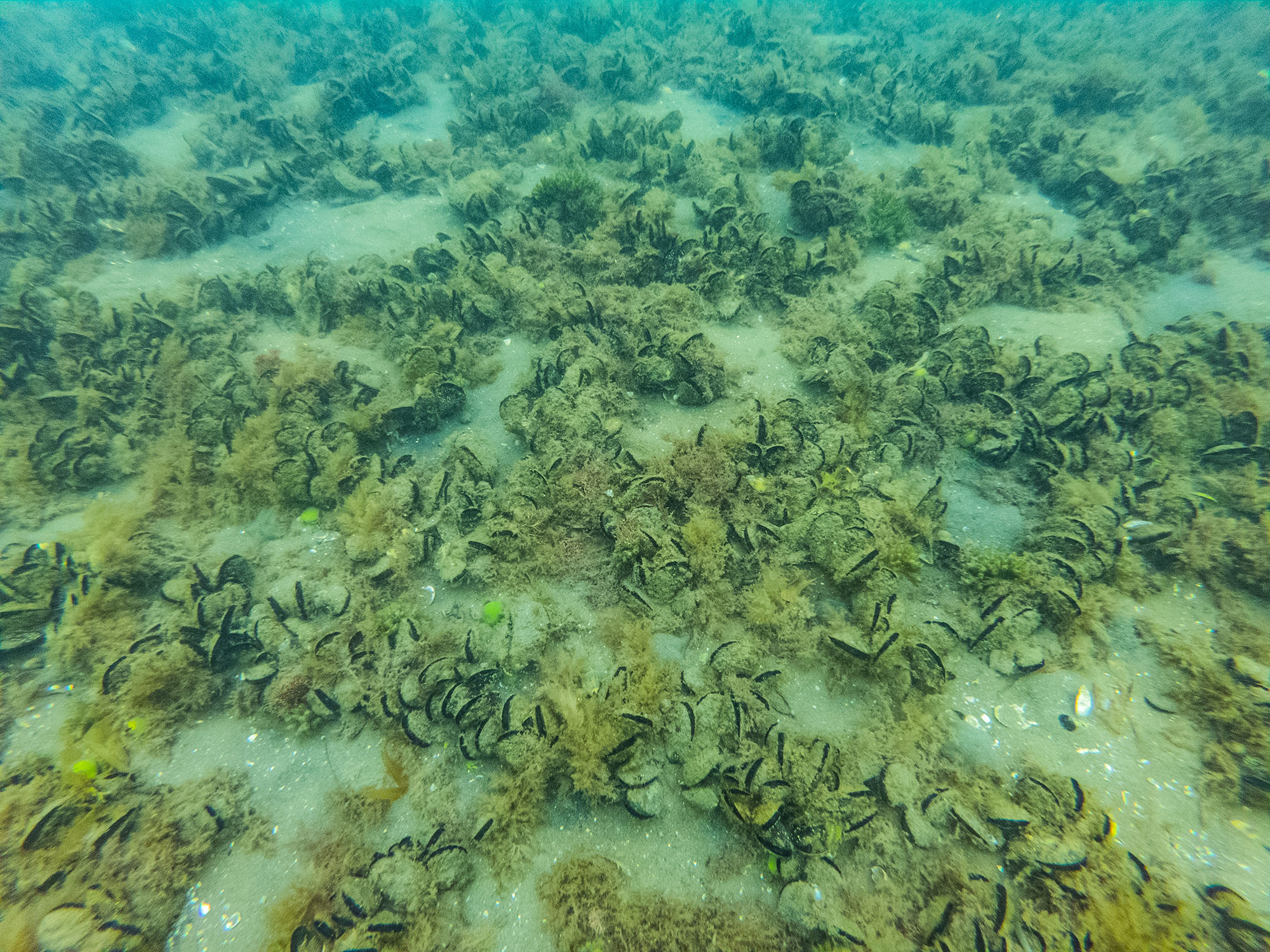
The bed is doing well, there has been some harvesting at the eastern end but it may have been for pipi. I located the parent stock 1km away at the mouth of the estuary. The adults were only 6-7cm long so they are growing much slower than farmed mussels. Still no eleven-armed starfish. I hope the bed continues to grow. It would be interesting to survey the bed to see of recruitment was happening more at the edges (or not). The bed, size density and associated fauna and flora will help inform restoration efforts elsewhere in the gulf. Video here. Observations below:
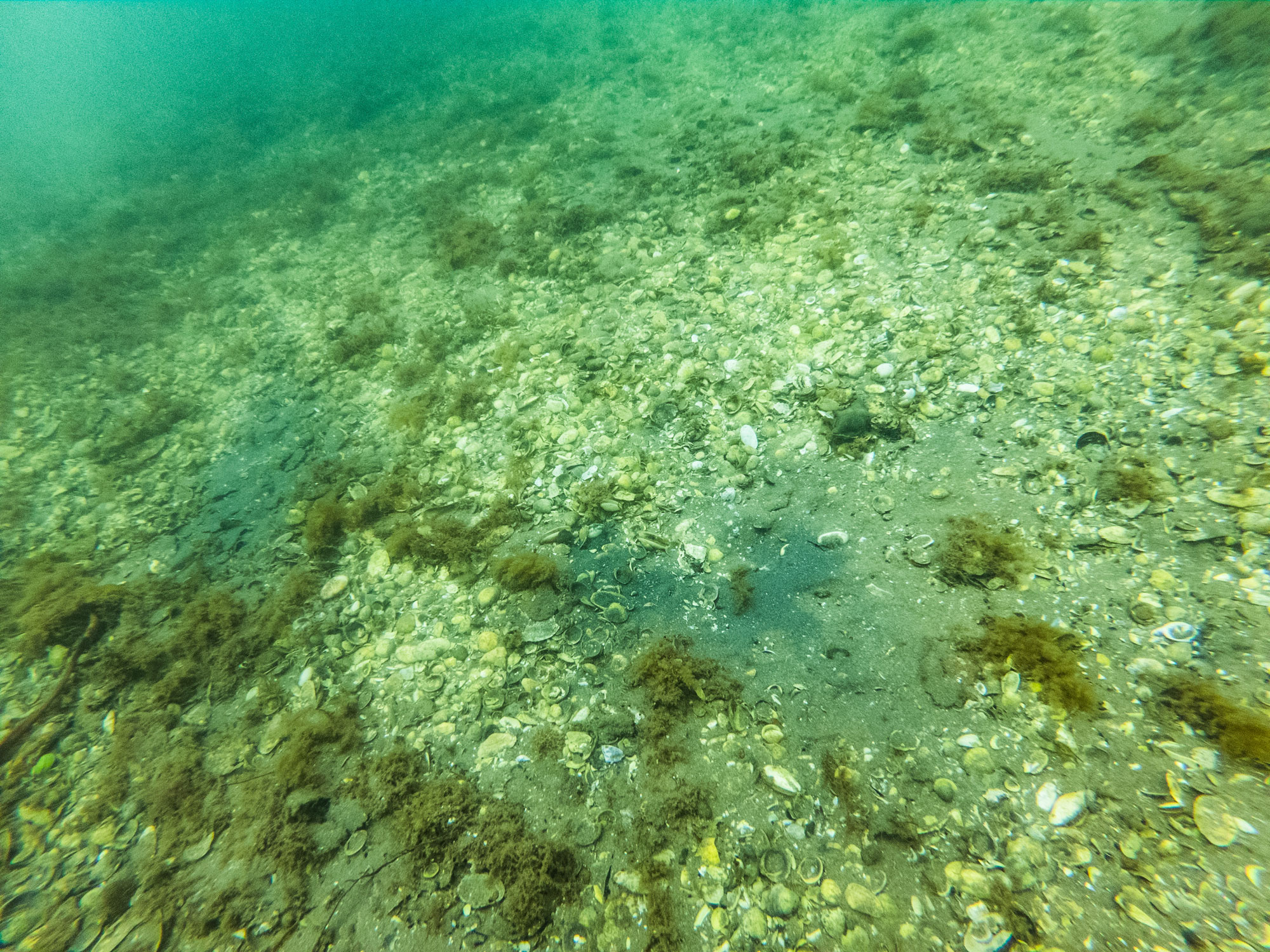
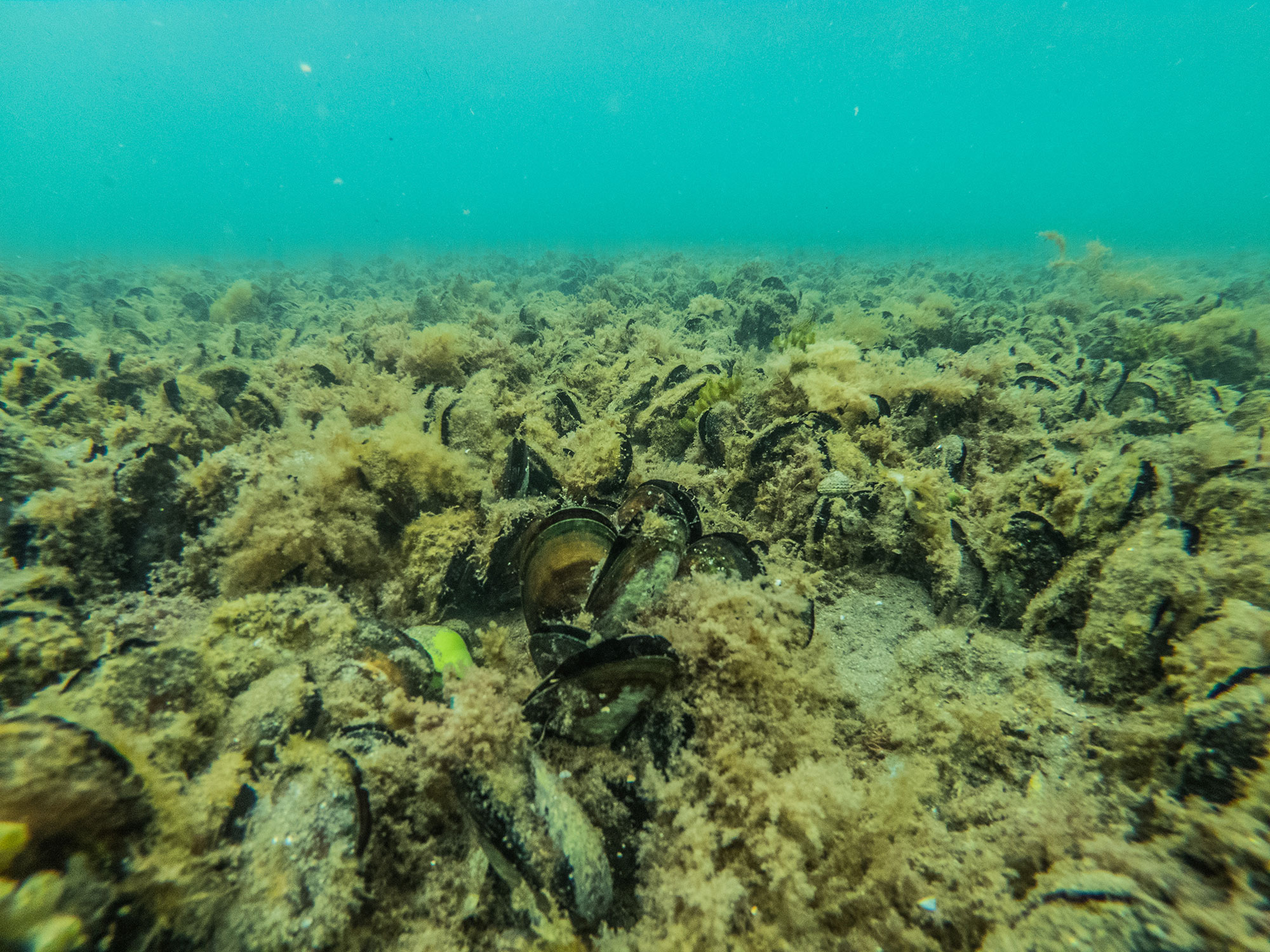
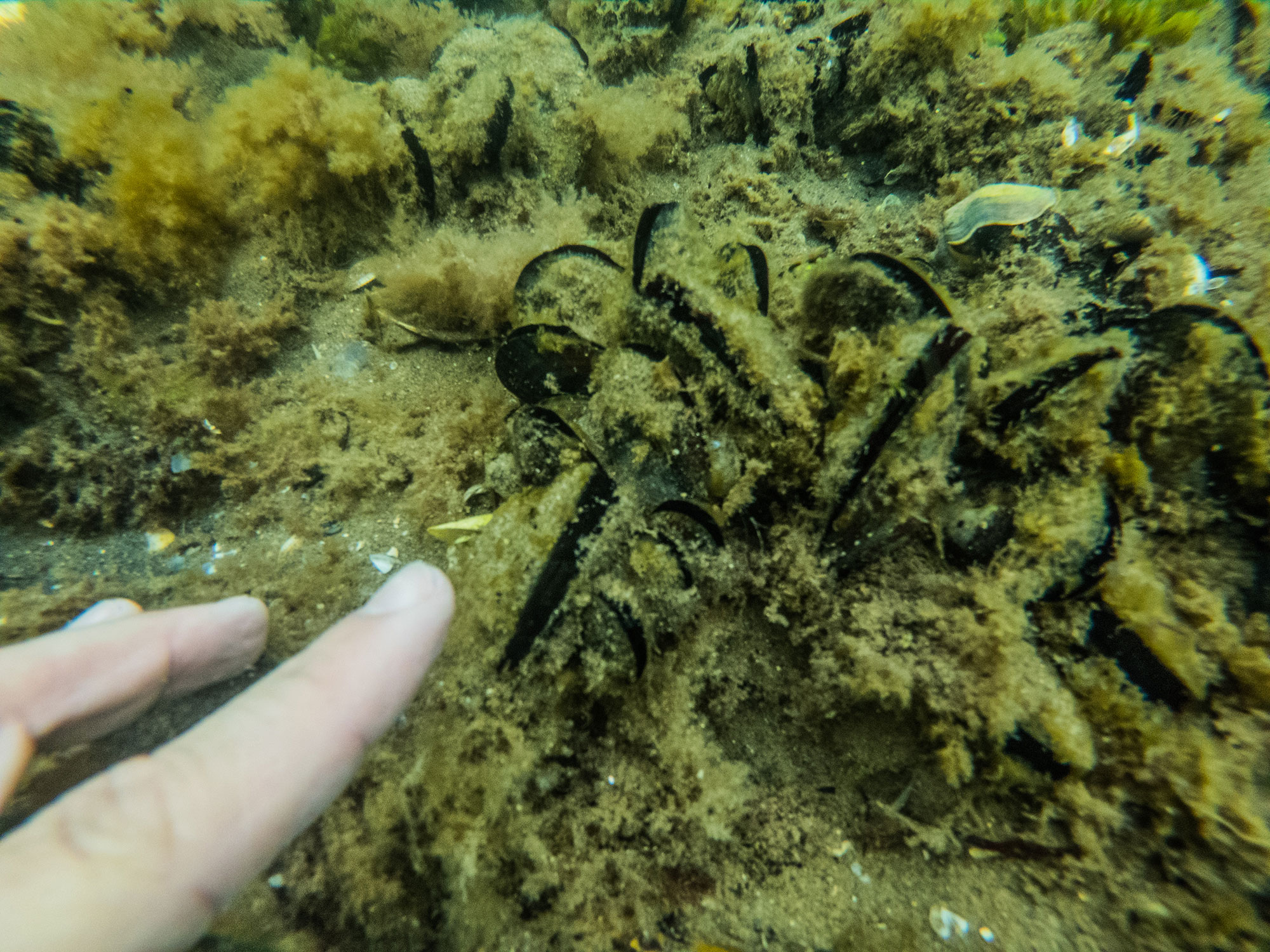
Update January 2020
No major changes to density, heavy with algae, no juveniles seen. Locals driving vehicles on cockle beds to get to the pipi which surrounds the mussel bed and set a net right on its eastern side.


Update February 2021
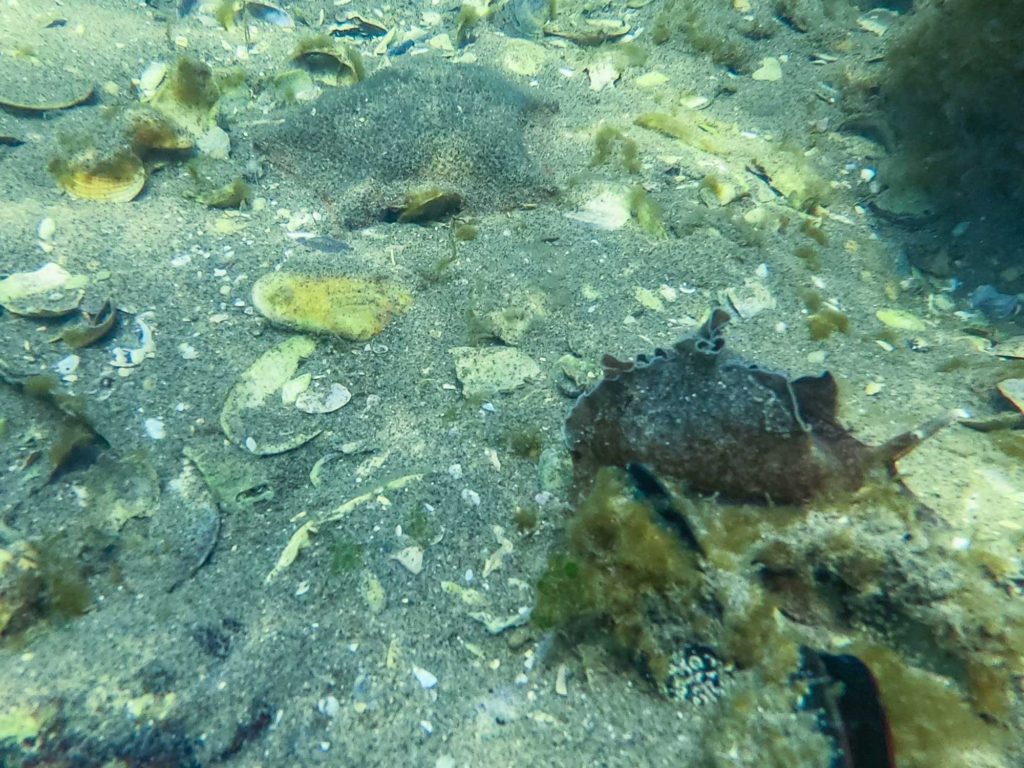
Unfortunately the crab above was the invasive species and my find triggered a $10,000 biosecurity response.
A local has anecdotal evidence that the mussel bed may not be 100% natural. A mussel farmer from the other side of the island who has since passed (Dick Anderson) claimed to have seeded the bed with mussel spat around 1990. The same local who talked to the farmer reports having seen mussels in the channel at the time. The story questions the genetic makeup of the bed, however in 2015 (when the bed was nearly wiped out) most of the bed was replaced then by local spat (there are beds on nearby rocks). Locals recall mussels on these rocks from the late 1980’s to early 1990’s. I am now checking with Auckland University to see if surveys for a marine reserve in the 1970’s recorded the bed.
Update Feburary 2025
I was told by an ecologist monitoring the asian paddle crab problem that the kūtai bed was wiped out by moving sand in May 2022. Another local told me he thought there may be 200 kūtai in the estuary in December 2024. I spent 1.5hrs looking at low tide two months later and could not find any but did find a few juvenile blue mussels had recruited onto dead cockle shell.

After the fire on Browns Island, lots of noxious weeds took hold. Although it looked like the crater was going to be dominated by bracken the weeds are winning. Black nightshade is dominant and there are thousands of woolly nightshades coming up, some as large as 1 meter wide already. Inkweed, apple of sodom and boneseed are also sitting up above the kikuyu.

Click for high res 360° image of the crater
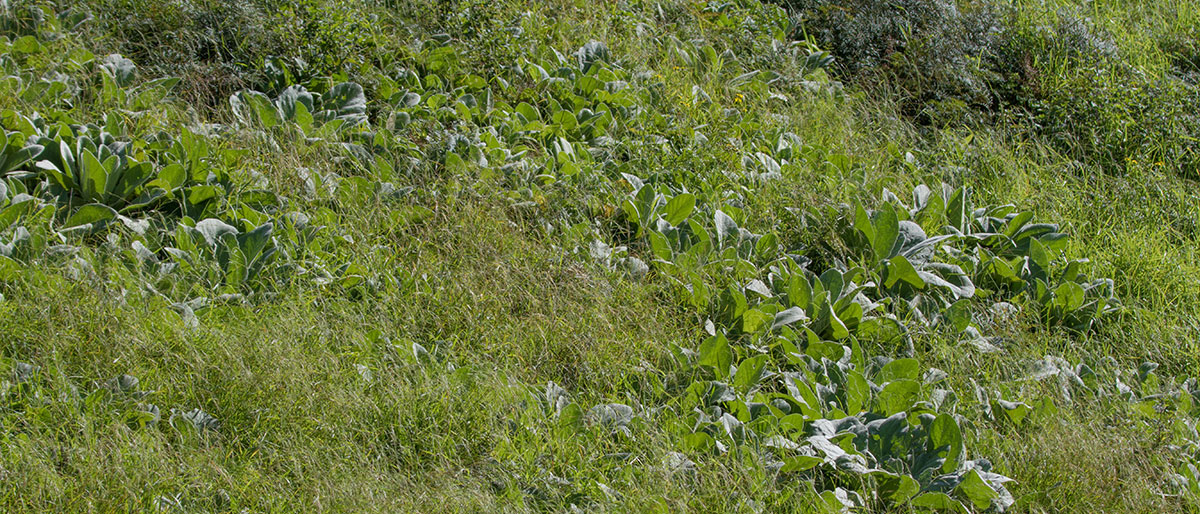
I casually pulled up about 100 mullien but did not make a noticeable impact. Most disturbing was this animal dropping I found on a large mullien leaf.

New Zealand has two praying mantises, the invasive South African praying mantis and the native New Zealand praying mantis. The easiest way to tell the two species apart is the shape of the head. The thorax (bit that connects their heads to their abdomens) is much wider on a New Zealand mantis so by comparison the South Africans look like hammerheads.

I have started work helping New Zealanders keep their Parks and Reserves. Building and Construction Minister Dr Nick Smith says that we have to “choose between using land for houses or cows”. This is ridiculous – saying our reserves are for cows is like saying Eden park is for lawn mowers!

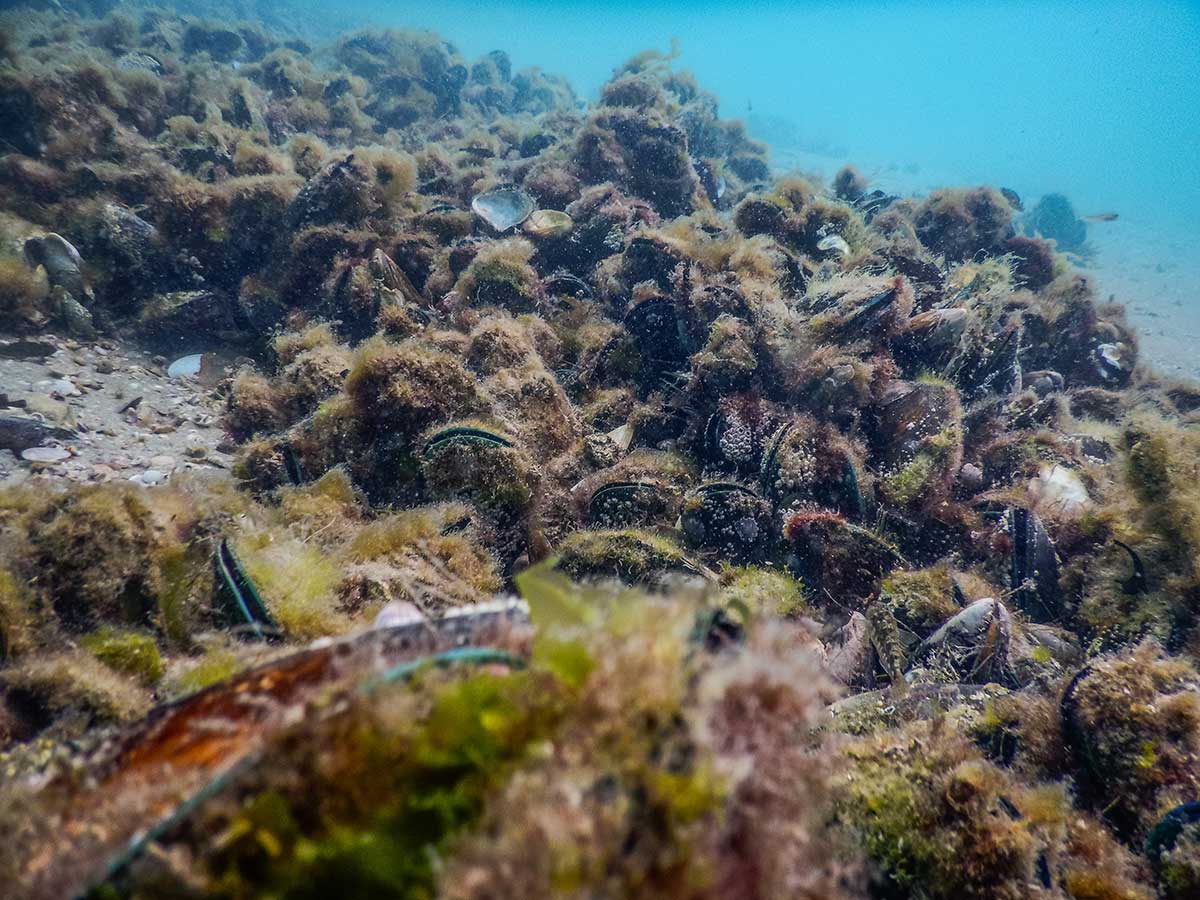
After more than half a century Green Lipped mussels have not returned to the soft seafloor of the Hauraki Gulf. However only 100km north at the mouth of the Whangarei Harbour something magic happened. Out of nowhere a huge bed of mussels appeared. I was slow to document it but here are some photos by Dr. Mary A. Sewell in April 2016.
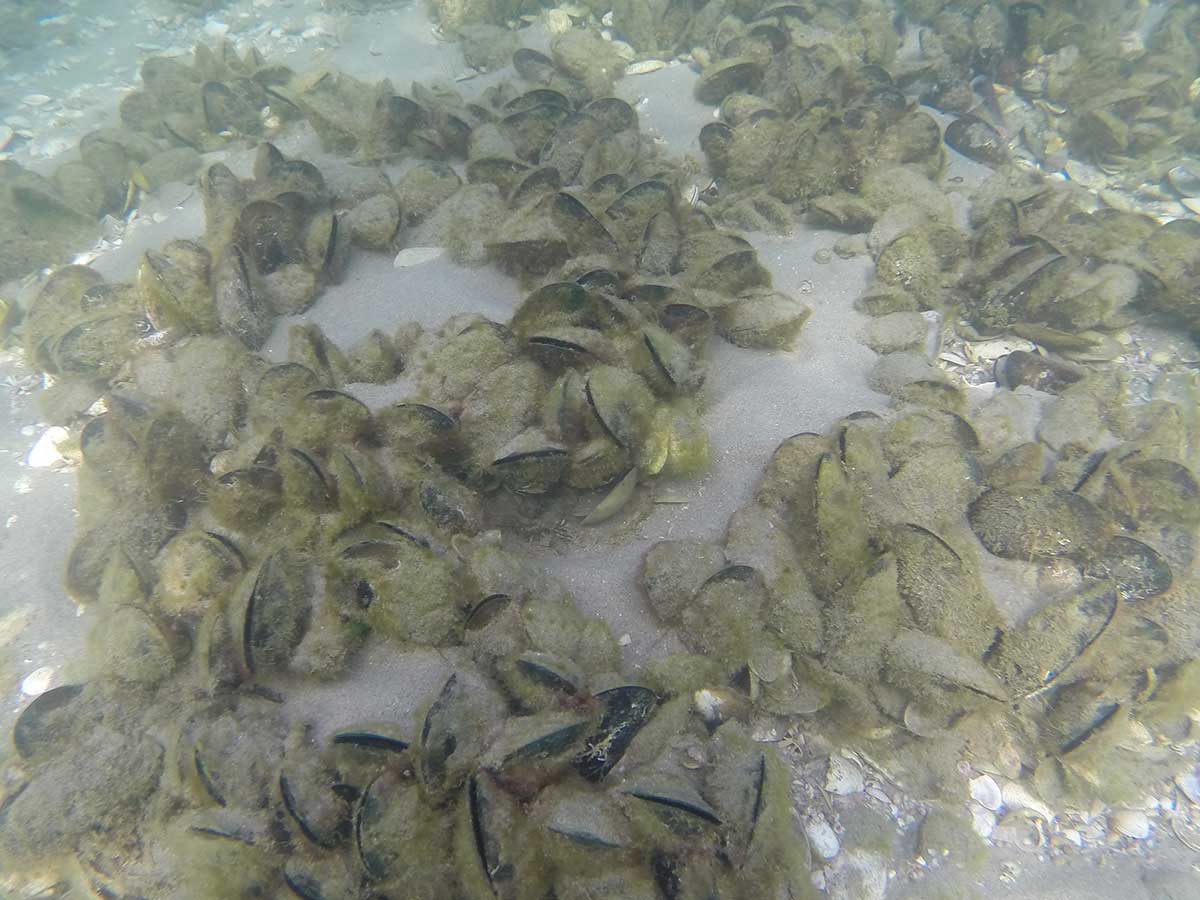
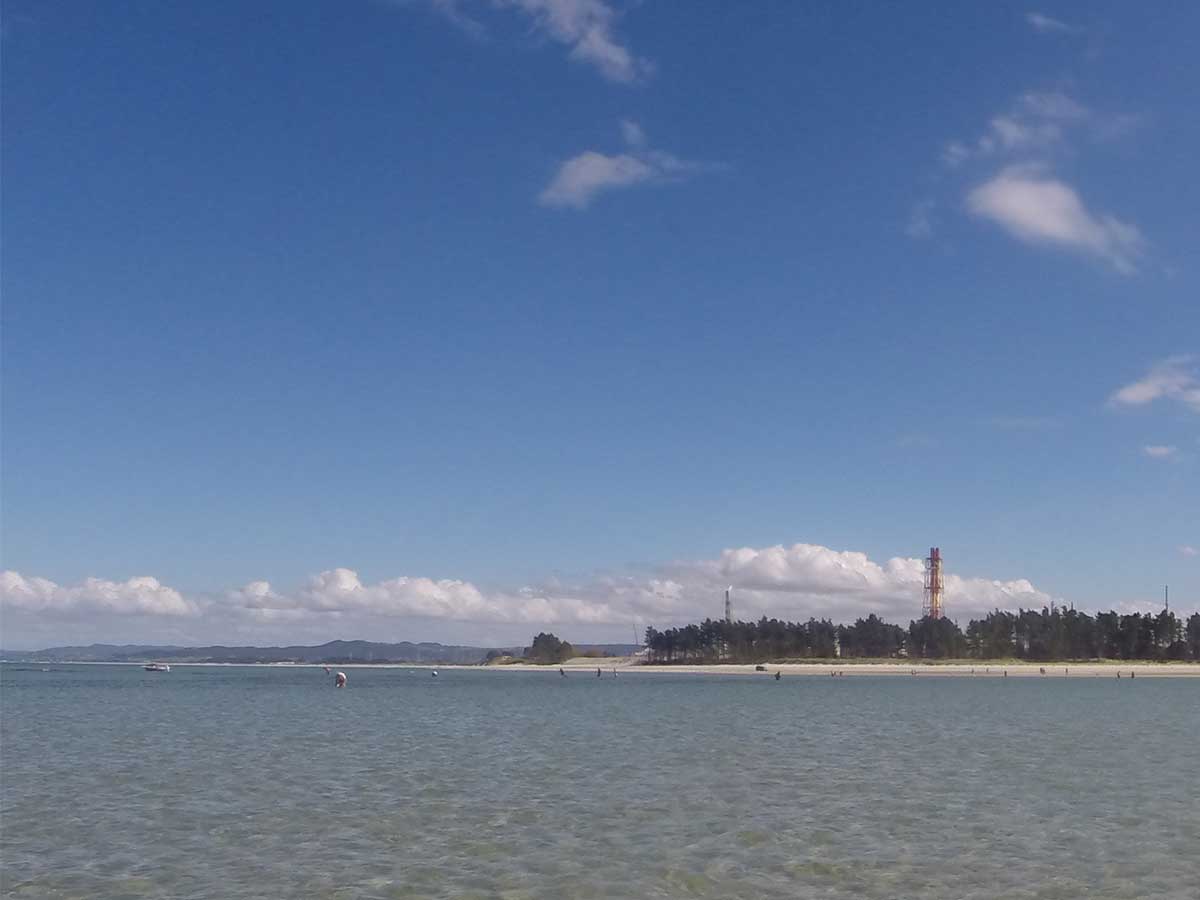
The bed was quickly consumed. Locals could park their cars a few meters from the beds. There were reports of people turning up with wheel barrows and of cars and boats being confiscated for those who exceeded their limits. The beds have now been decimated, (An MPI officer thinks the beds did not disappear but were greatly reduced in their first season, I did not find the original bed on my first trip). I turned up eight months later at low tide and followed some locals to the remaining beds. They looked like this:
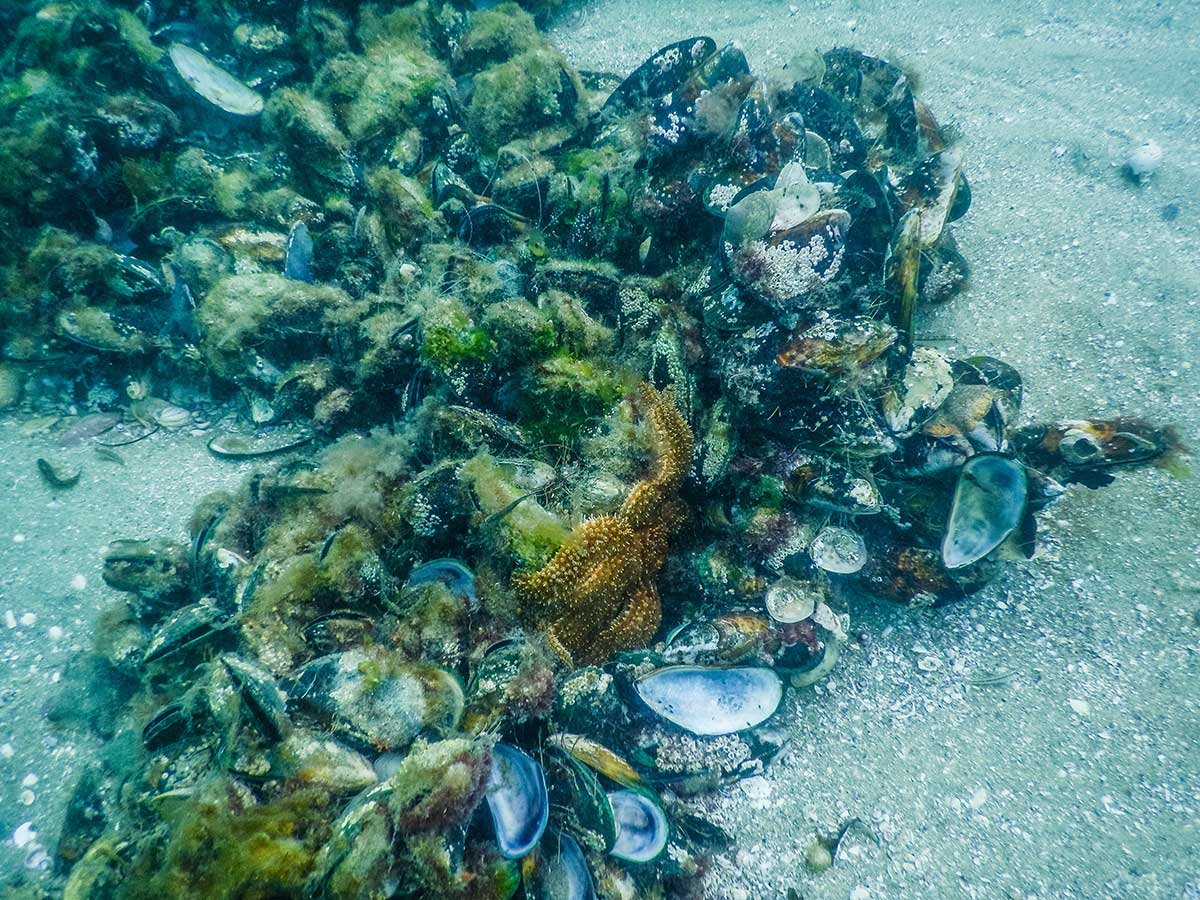
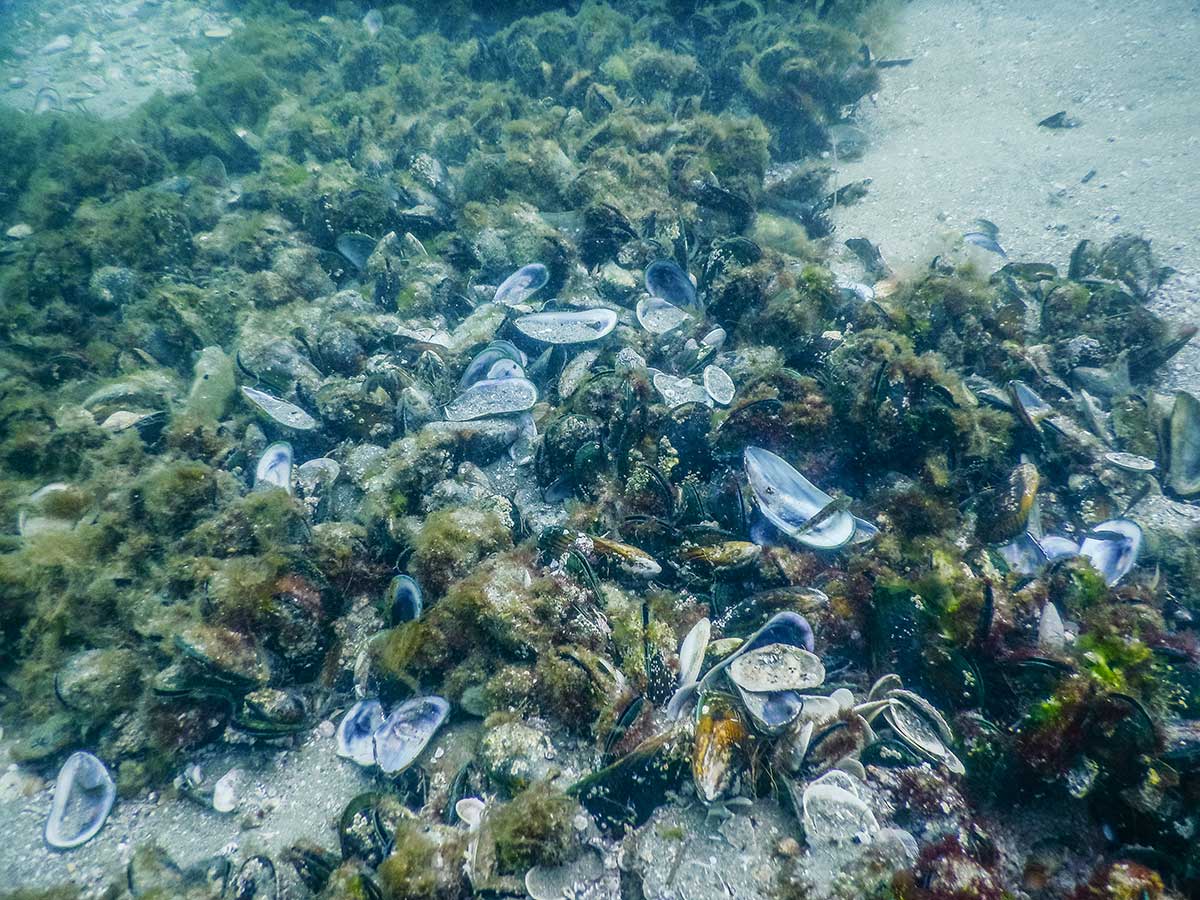
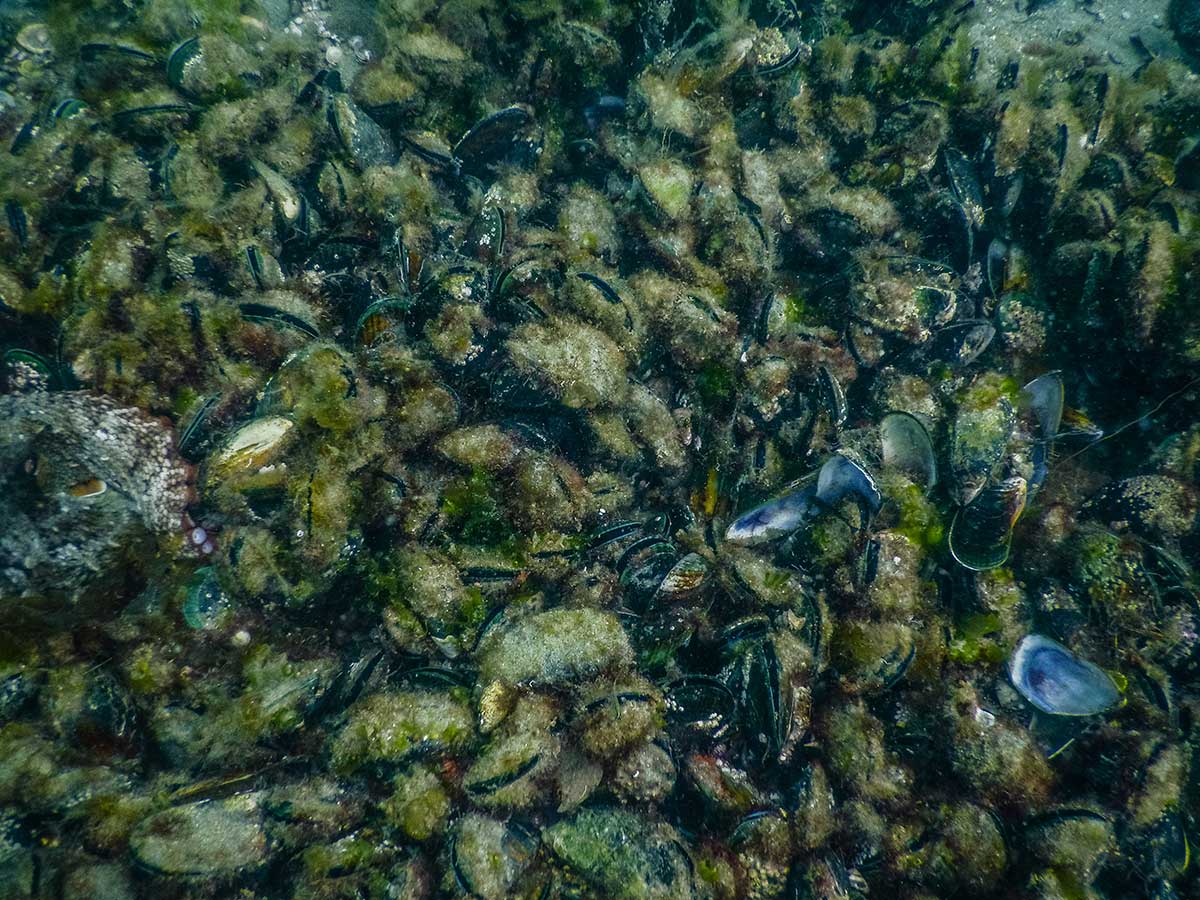
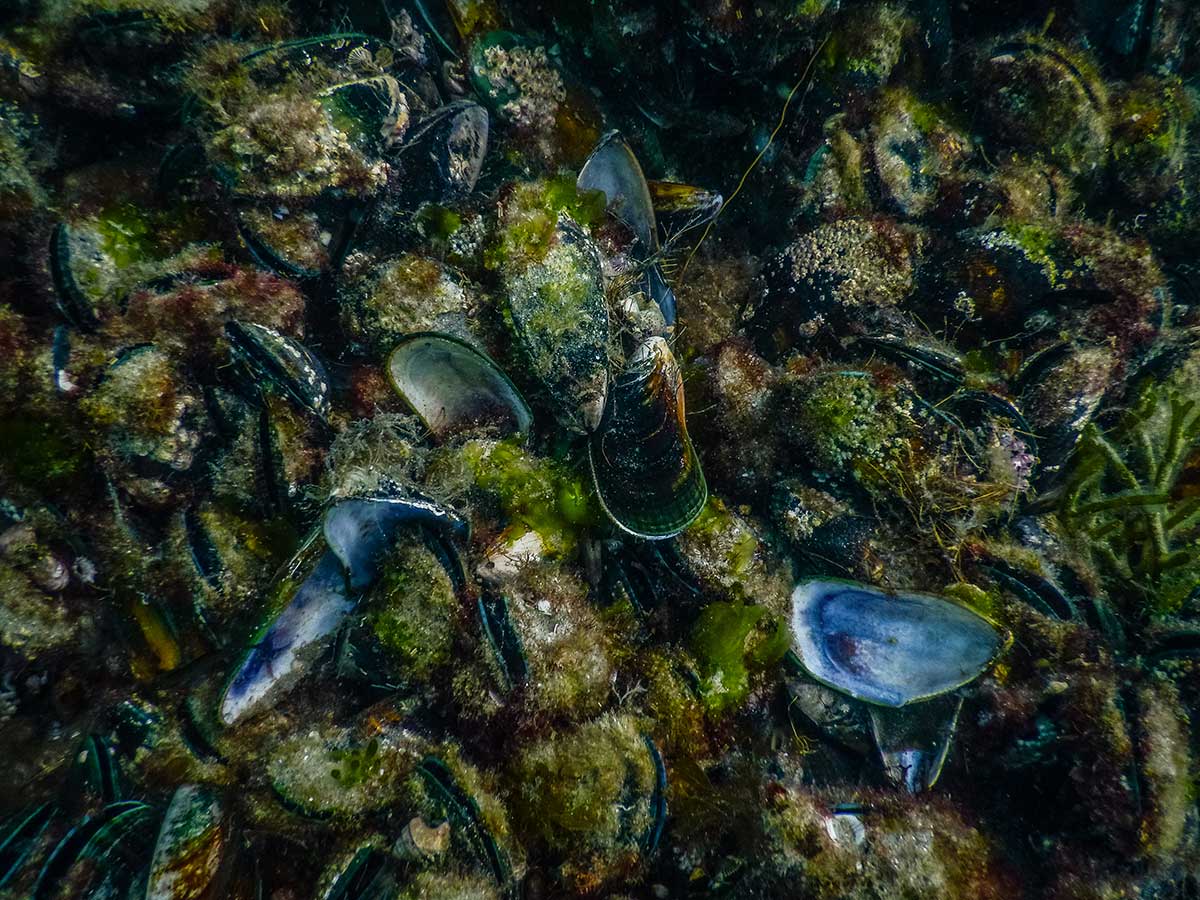
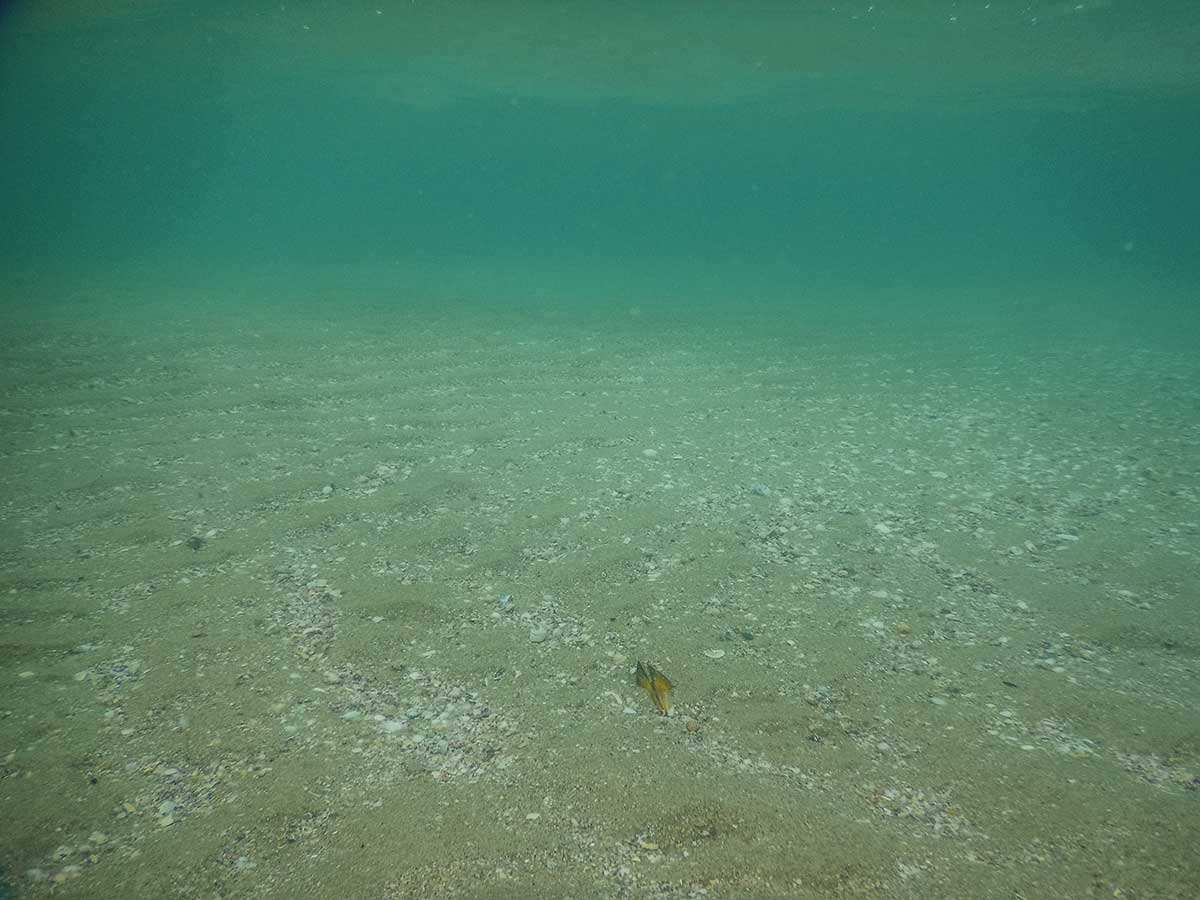
The remaining bed ran along the edge of the drop off about 4m at low tide and supported a wide range of marine life. On my way back to the beach I wondered what conditions bought about this beautiful natural phenomena? There may well have been sufficient spat from mussels growing on the refinery wharf, but did a closure of the cockle beds promote natural the recovery? Could the neighbouring marine reserve have played a part? Was this a once off or part of the recovery of the Whangarei harbour since the Firth cement works has cleaned up its act? Then I spotted these:
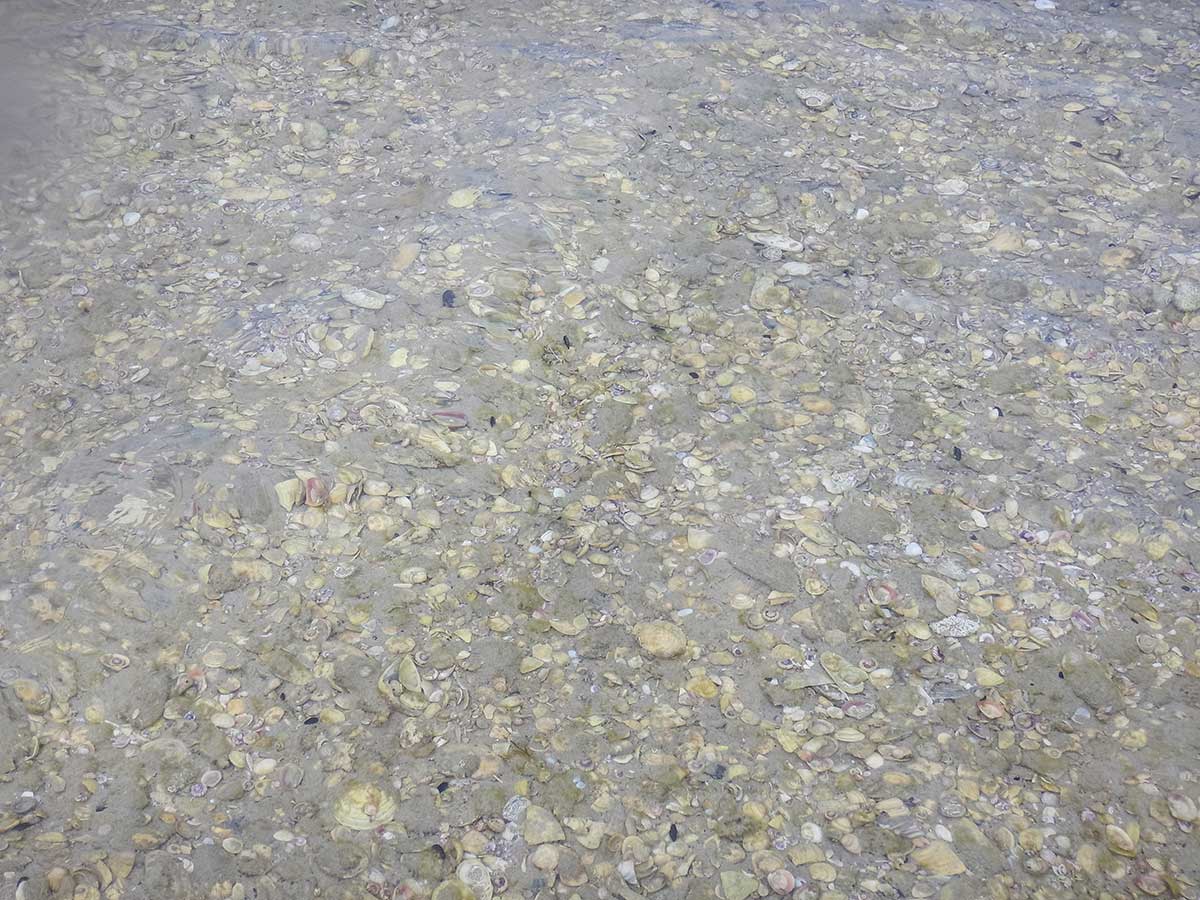
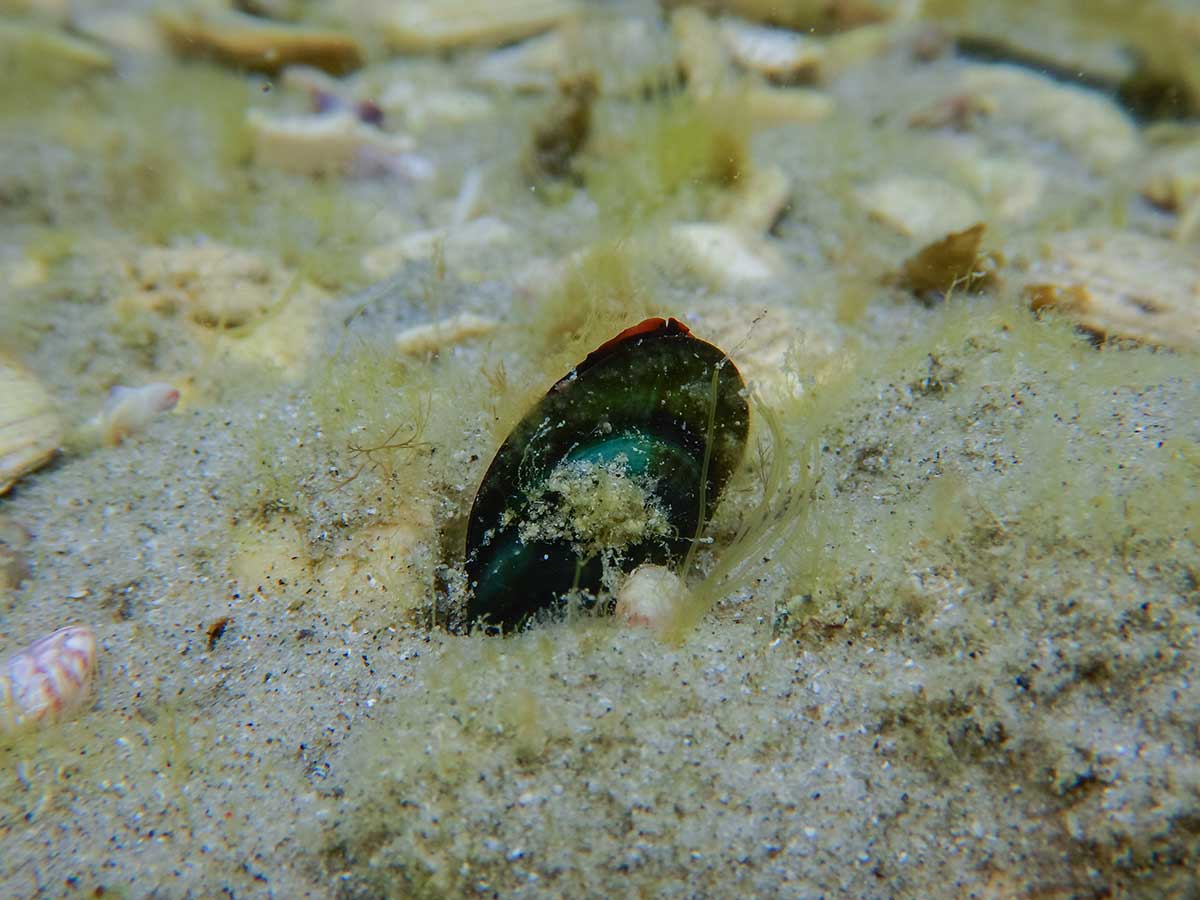
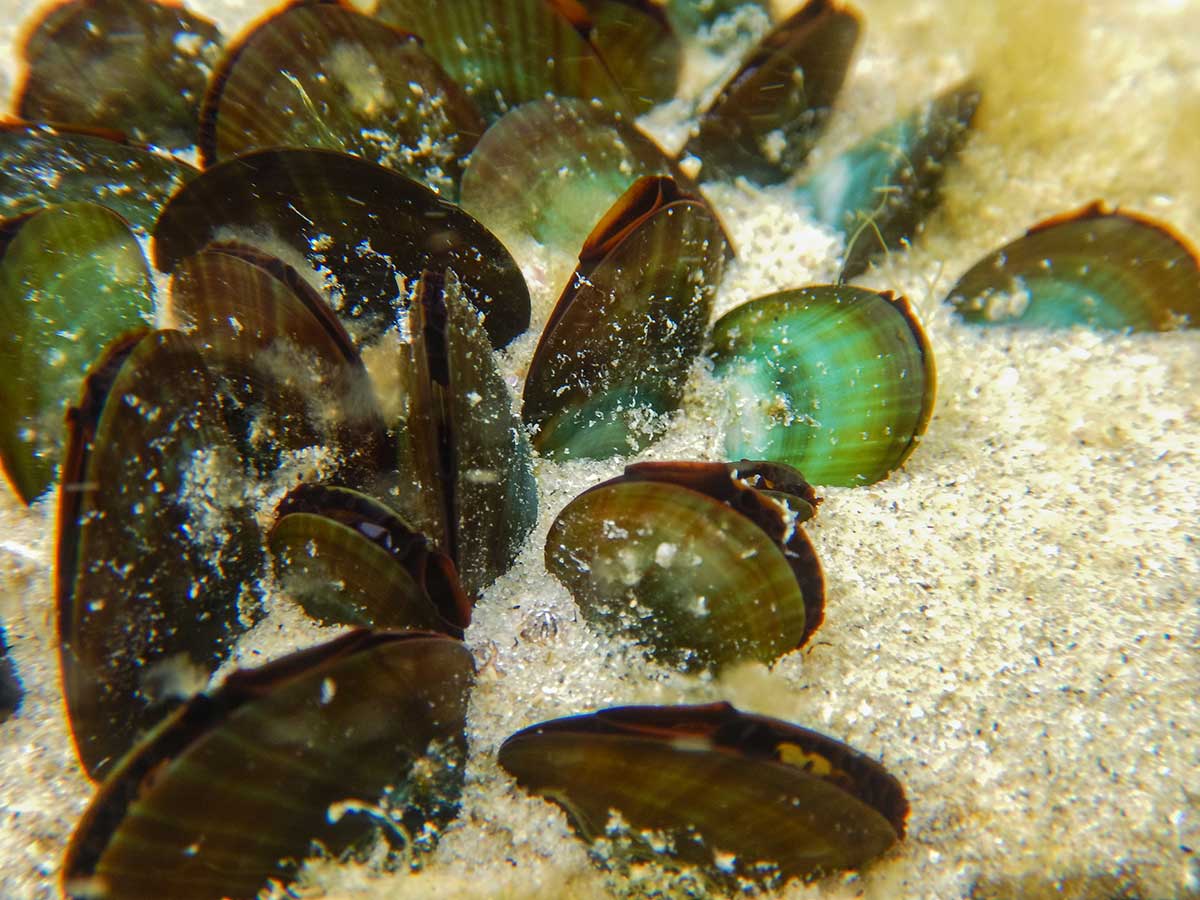
It seems the cockle and pipi shells have created a firm substrate for the juvenile mussels to attach to. Is this how the bed started of? No hydroids or red filamentous algae to attach to, just green algae and shell? If so this is a recipe worth exploring for aided restoration elsewhere in New Zealand. Local iwi (Patuharakeke Te Iwi Trust Board) have proposed a 2-year temporary closure to the take of all shellfish at Mair Bank and Marsden Bank, Whangarei.
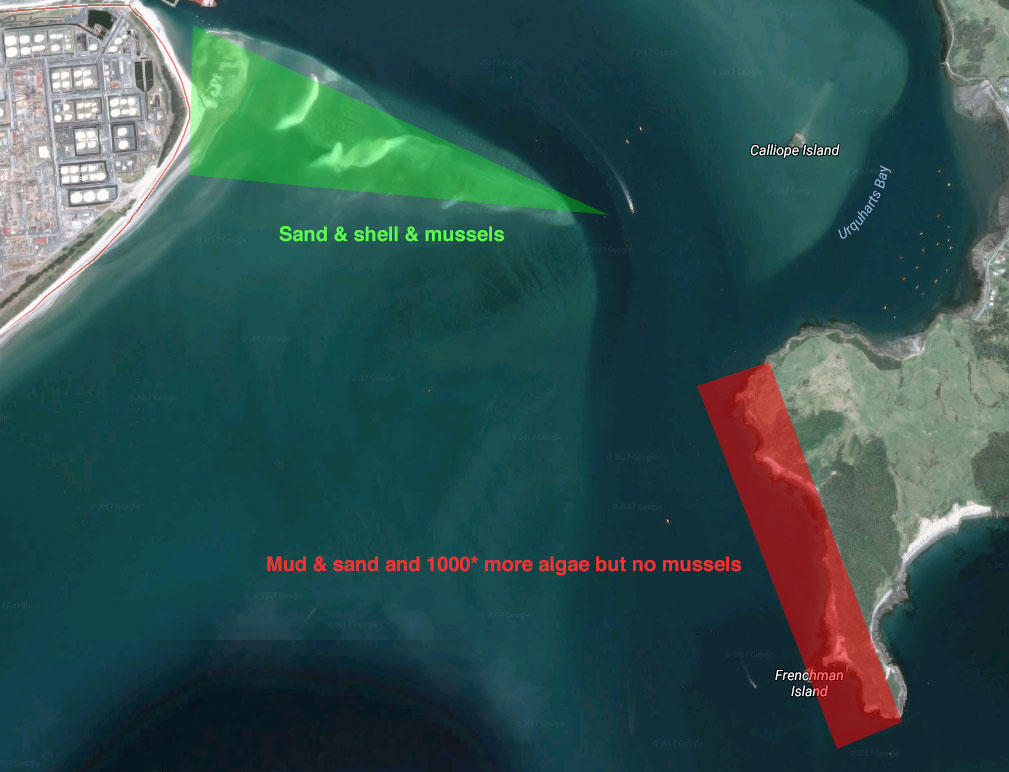
Note there was a large pipi & cockle die off on the shell bank where mussels appeared.
UPDATE: Nov 2017
There are isolated individuals ranging for a hundred meters or so west of the main bed. Most mussels were around 6-8cm long. I could not find blue mussels in the bed, I did however see fish eggs, octopus, crabs, evidence of fish feeding on the mussels, triplefins and many shorebirds enjoying the exposed reef. The mussels were also growing in smaller patches off the edge of the sand bank into the channel where I found the remnants in Dec 16.


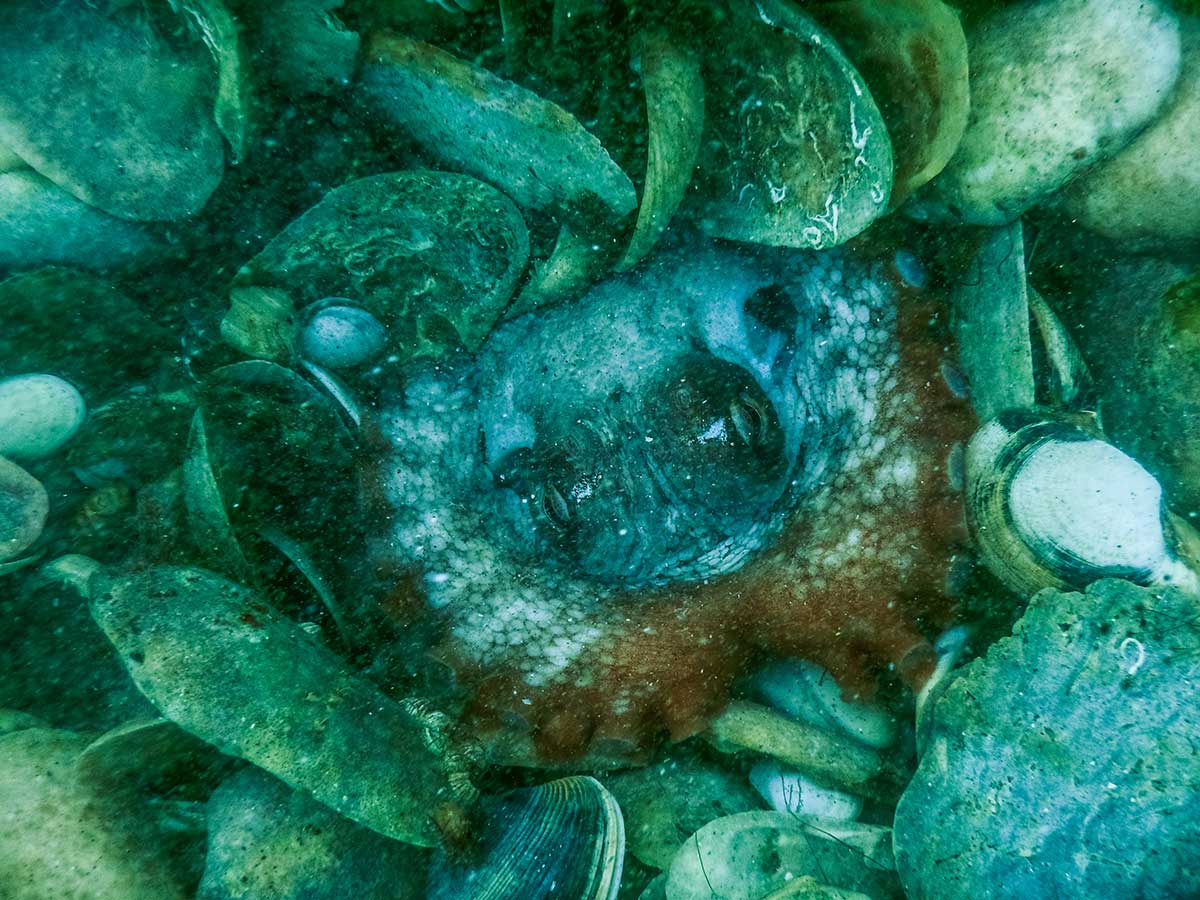


Hopefully this bed continues to regenerate despite the massive human harvesting effort. Identifying and protecting the seed stock would go a long way towards this.
The current here is very strong, here is a short video of 1,000s of young pipi swept in current. They seem to be regenerating.
UPDATE: Jan 2018
Two insights after talking to locals.
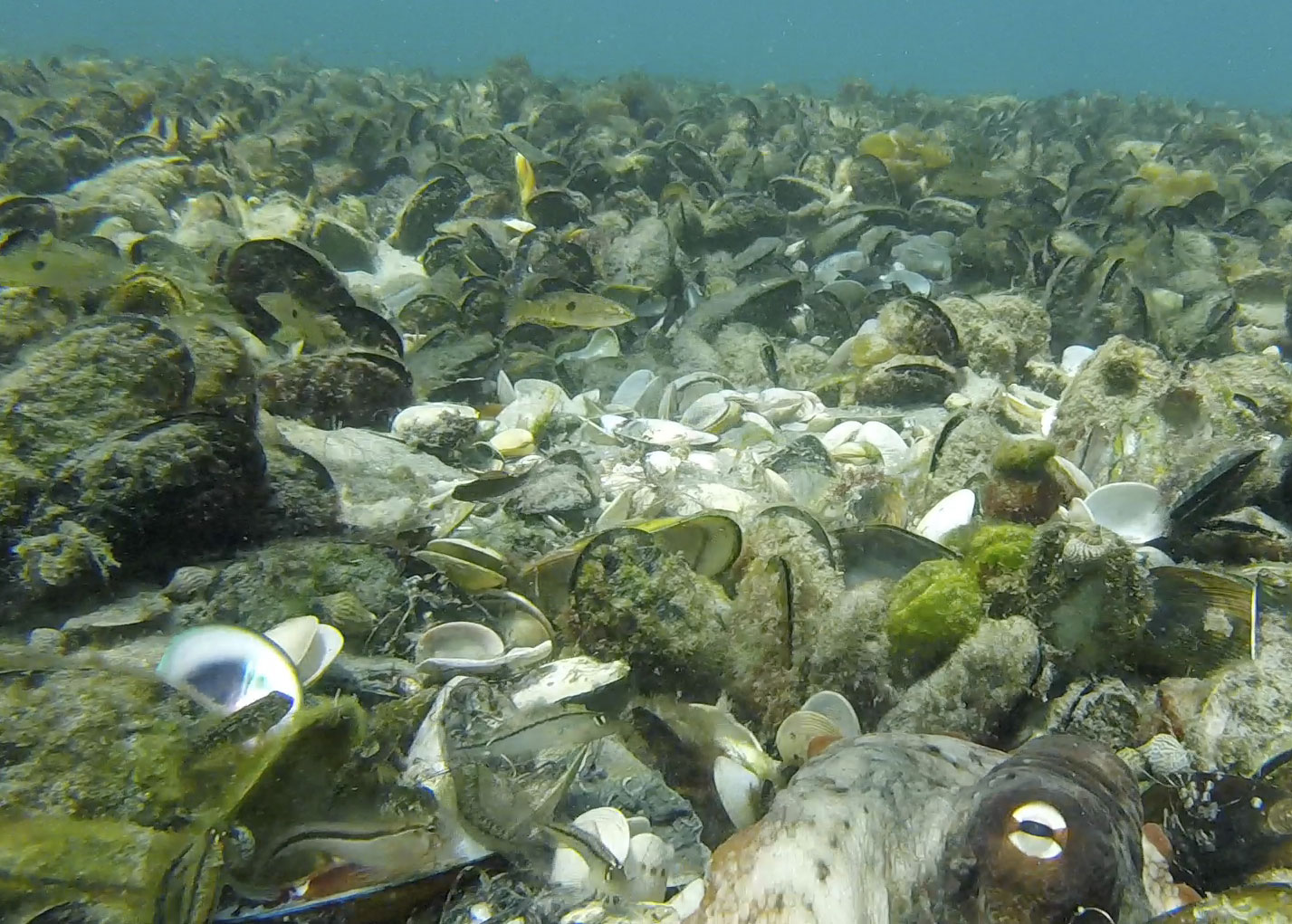
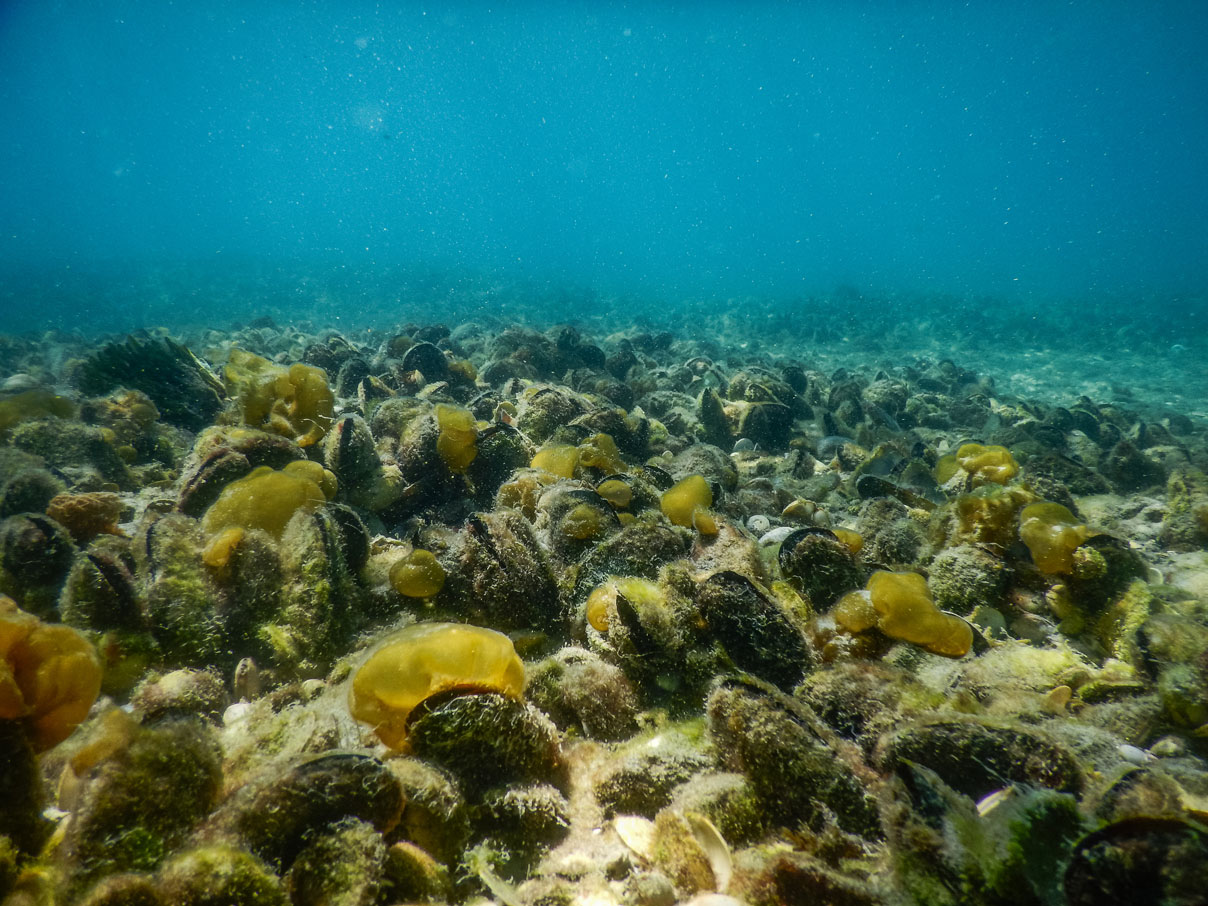
Also the beds look choice at high tide, I saw sea hares and piper fish. Look how many species in this photo:
UPDATE: Feb 2018
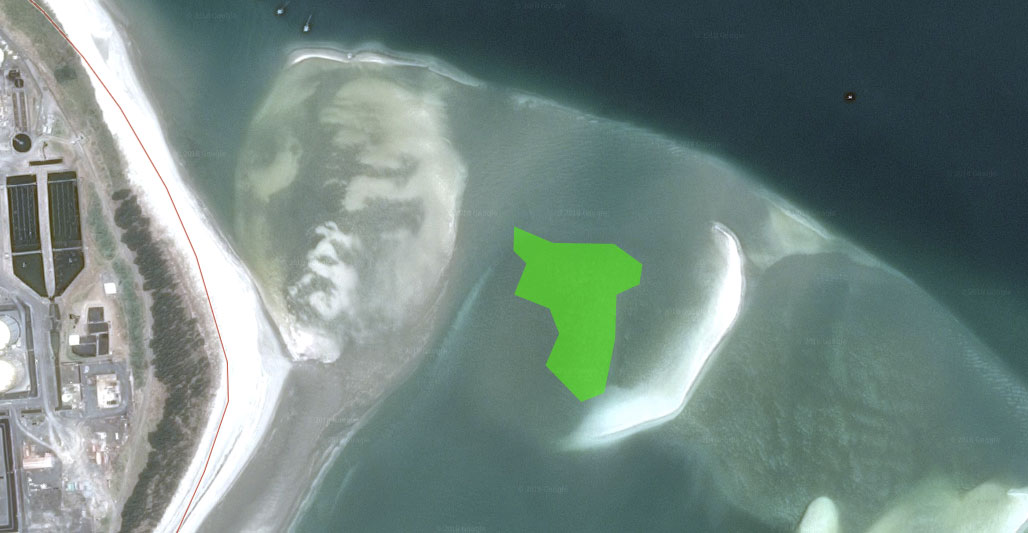
I managed to track down a report which mapped the bed in Feb 2016. They worked out that the mussel bed then covered an area of approximately 12,800m2 and had an average coverage 38.3%.
UPDATE: Jul 2020
Conditions were rubbish but I had a good look around and could not find the mussel beds. I could not see any mussel shells so I assume the mussels were taken by humans and the rahui on all shellfish in the area was not strong enough protection. The Northland Regional Council could now look at protection measures given the Motiti decision.
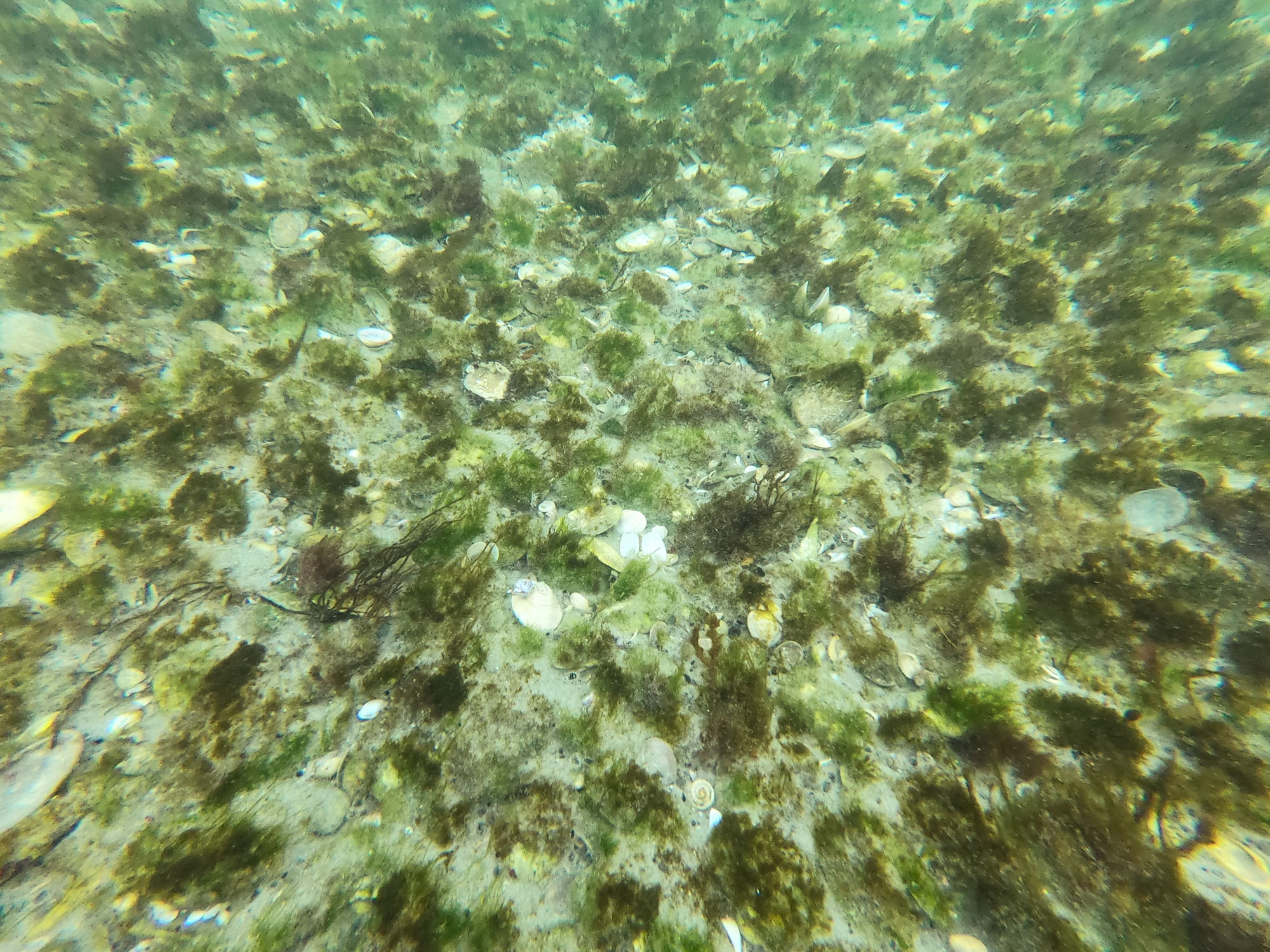
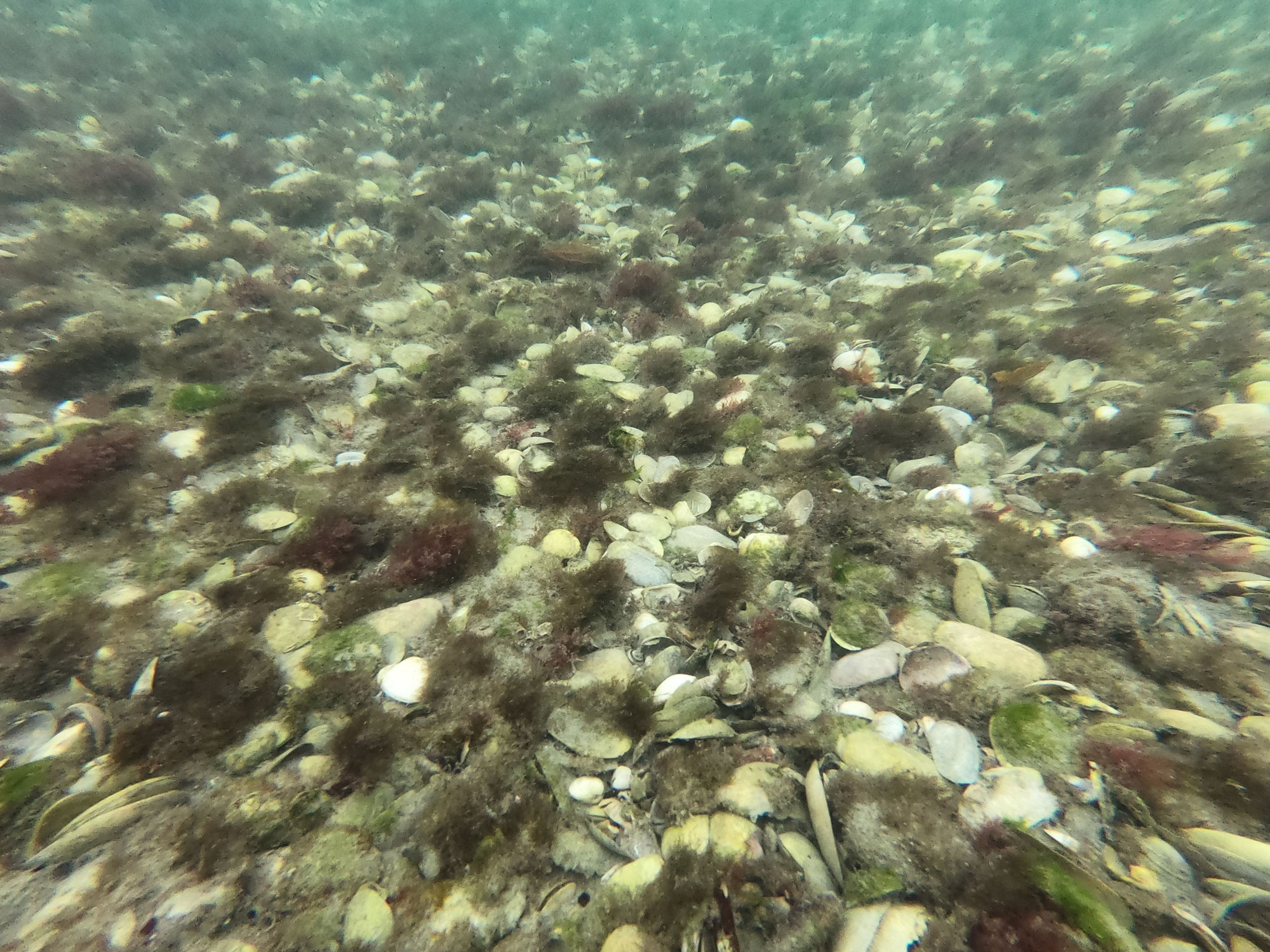
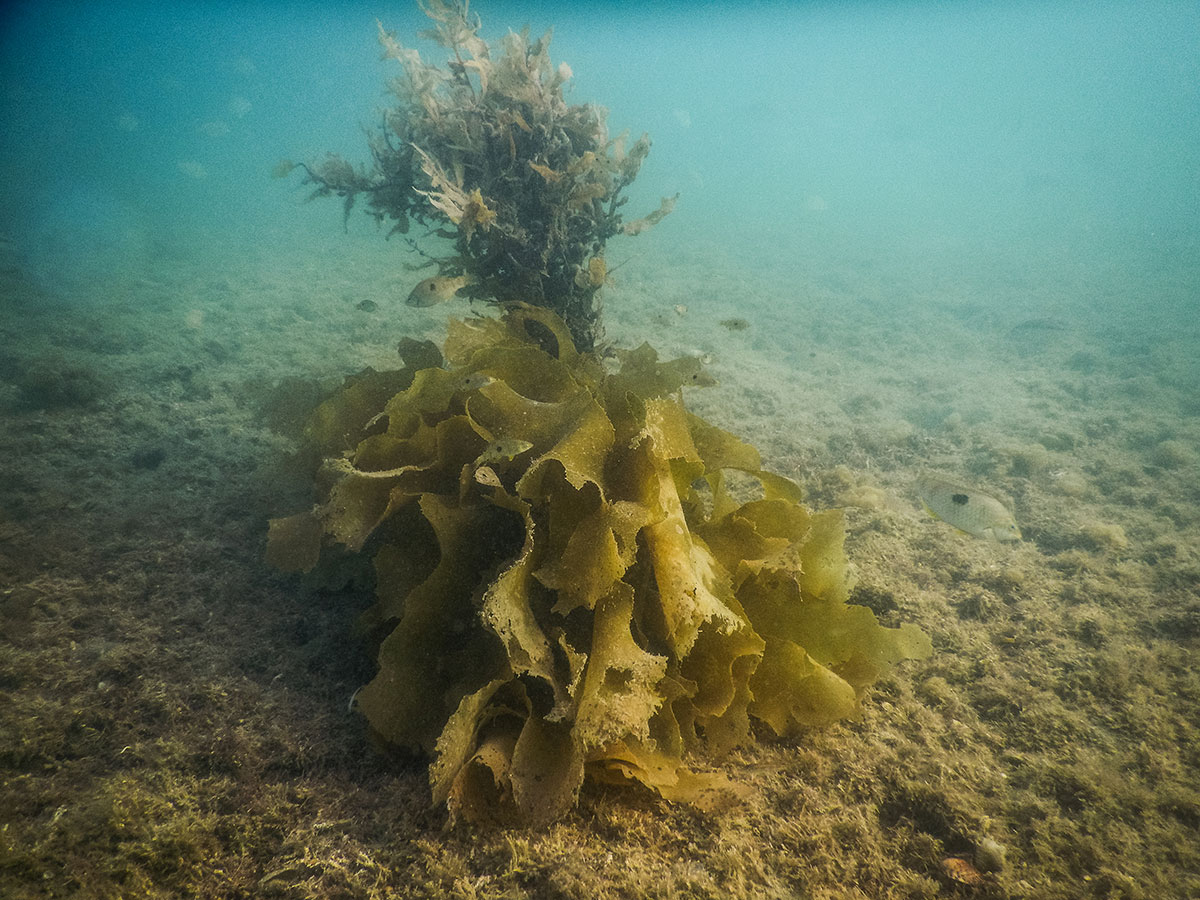
There is a lot of algae on the shellbanks which could help the beds return as it is important for the initial recruitment phase for several species of shellfish. We need to find the original adult mussel bed that seeded this bed and protect it so it does not disappear like this one.
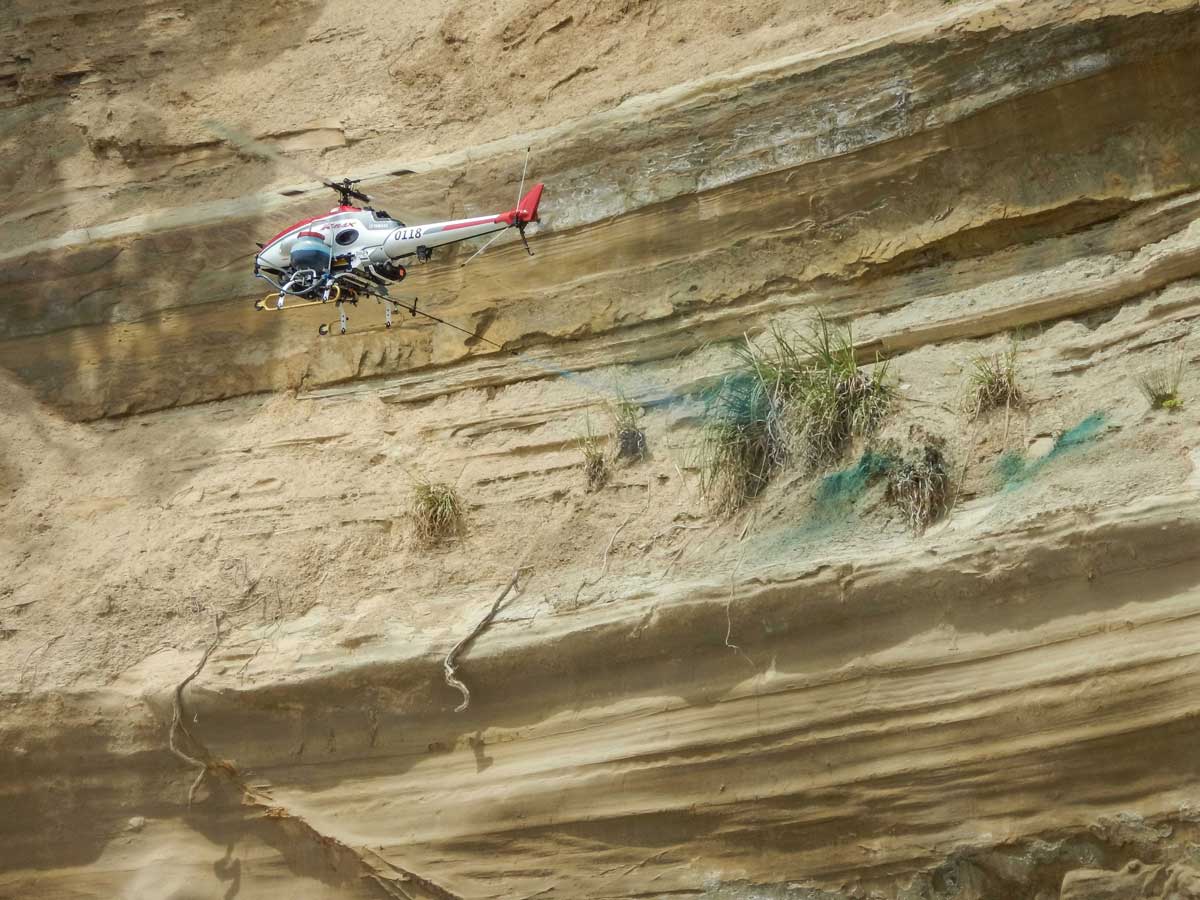
One of the hardest aspects of restoring and maintaining native habitat is weed control. Cliff faces are the most expensive often requiring carrying heavy loads to remote places and abseiling or a helicopter. Today I watched as DOC, Motuihe Trust and Yamaha trailed spraying pampas from an unmanned helicopter. The RMAX helicopters are piloted by remote control and used in a wide range of industrial and research applications overseas. The trial was a success and the team have plans to further improve the precision of the technology.
