The planned ‘One Ocean’ protest by some recreational fishers against the new protections in the Hauraki Gulf Marine Park, while framed as a defense of “Kiwis” and “freedom,” is more accurately a display of selective outrage and self-interest. Lets cut through the tangled arguments and address the fundamental values—or lack thereof—driving this opposition.
Debunking the Protestors’ Claims
The core complaints levied by Ben Chissell, Shimano Fishing New Zealand, Okuma New Zealand and Daiwa New Zealand (LegaSea are on the sideline) are simply not supported by the facts:
#1 “People just wanting to catch a feed for their family or enjoy a day on the water are now being pushed further offshore into unfamiliar areas.” A dramatic exaggeration. Only three of the twelve new High Protection Areas (HPAs) even touch the mainland.
#2 “Commercial fishers can access the HPAs.” This is a red herring. While two HPAs permit a small, regulated ring-net catch worth only $26k PA, this is a temporary concession and a fraction of the issue. This will be reviewed in 3 years and the Labour Party has already pledged to remove the ring-net fishing clause.
#3 “Locking the public out will simply push fishing pressure onto neighbouring regions up north and in the Bay of Plenty” Only 9% of fishing happens in the HPAs, any displacement is consistent with existing shifts if fishing effort.
#4 “Unfairly locks the public out.” The opposite is true. Allowing ubiquitous fishing locks the public out of experiencing nature in its most abundant and wildest state. It’s astonishingly selfish to argue that the public’s “right to fish” trumps the public’s right to a healthy, vibrant marine ecosystem. Furthermore, 72% of recreational fishers support protecting 30% of the ocean. The vocal minority does not speak for the majority.
#5. “We just basically need to prioritise looking after Kiwis, looking after our playground, feeding Kiwis, and not exporting our resources.” Yes commercial fishing needs to reduce in the Gulf, this is happening. But recreational fishers now take more snapper than commercial fishers, its the fishing methods that need to change not the focus on exports. The bill they are protesting introduces some Seafloor Protection Areas but the whole of the marine park should be an SPA. The marine spatial plan (Sea Change 2017) bans trawling and allows for areas with conservation values.
The most damning concern is the sheer lack of responsibility being taken by for the environmental toll of recreational fishing:
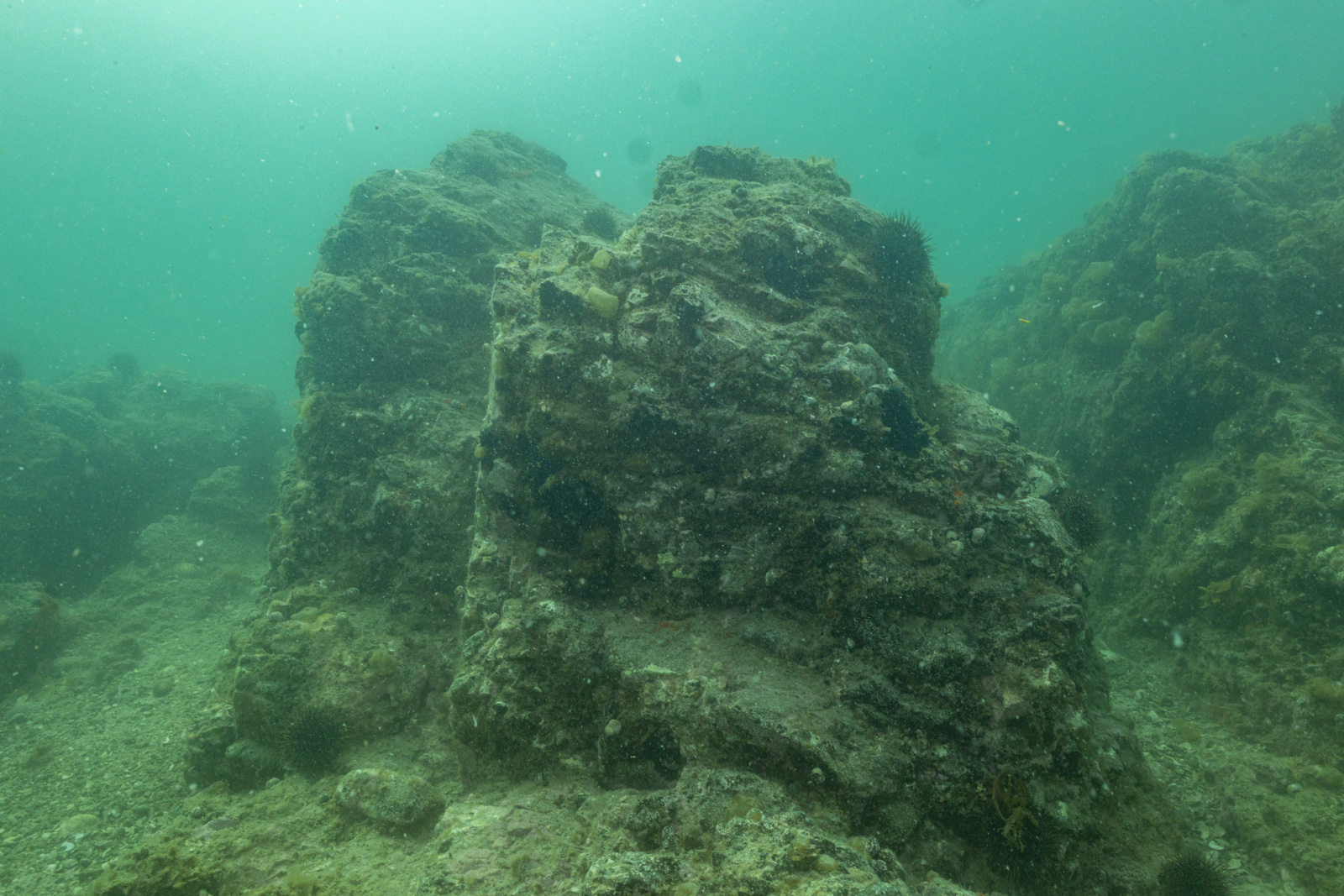
Look no further than places like The Noises (now an HPA). The reefs there are a stark monument to unchecked recreational fishing. By wiping out the predators of kina (sea urchins), fishers have allowed kina barrens to replace 72% of the productive kelp forests. This isn’t sustainable ‘kai,’ it’s ecological vandalism.
The protest is incredibly short-sighted. Protecting small areas creates nurseries and, critically, allows big old fish to thrive. A single 70cm Snapper produces the same number of eggs as thirty-six 30cm Snapper. Protecting these areas is not “locking the public out”; it’s re-seeding the entire Gulf for future generations.
A Question of Values
The current proposal only increases the Gulf’s protected areas from 0.3% to a paltry 6%. The UN recommends 30%. This protest, demanding unfettered access to the remaining area, boils down to one thing: a profoundly selfish set of values that prioritises a weekend hobby over the long-term health of a national taonga.
If the goal is truly to “look after our playground,” as claimed, then the only responsible action is to support, not protest, the modest steps being taken to let nature heal. Less complaining, more long-term thinking.