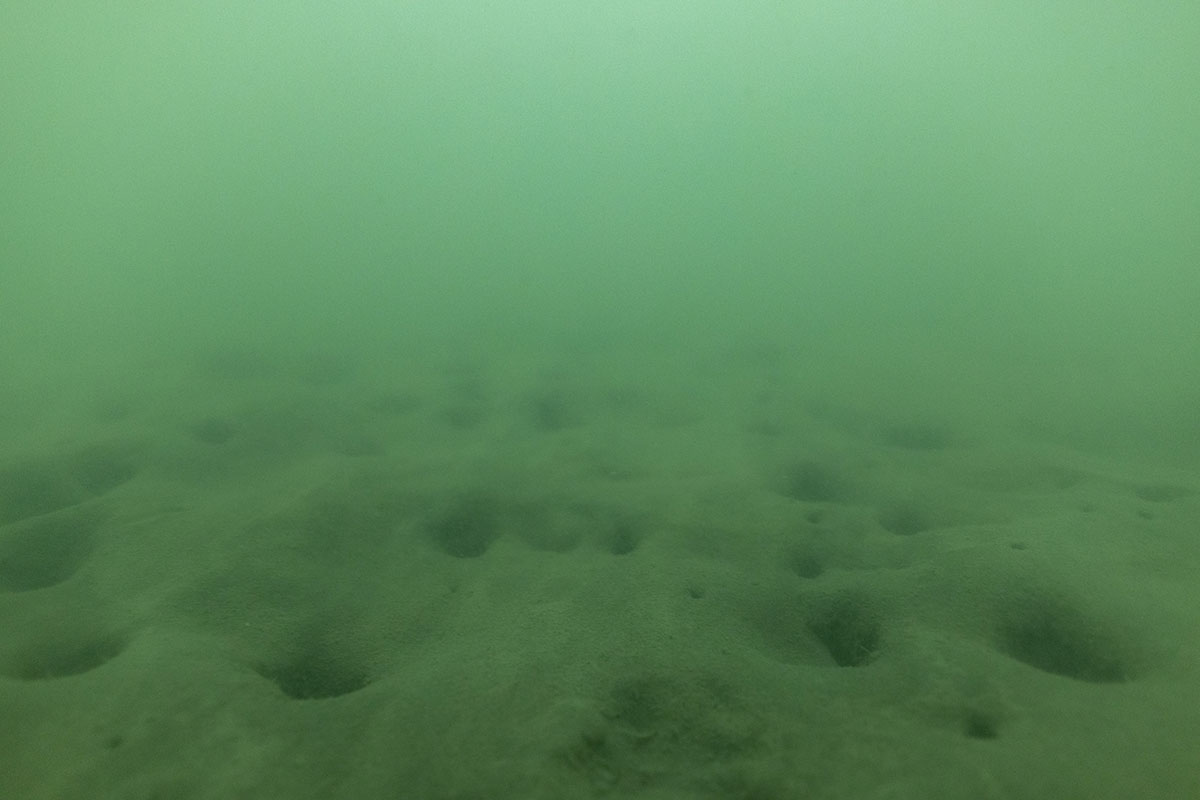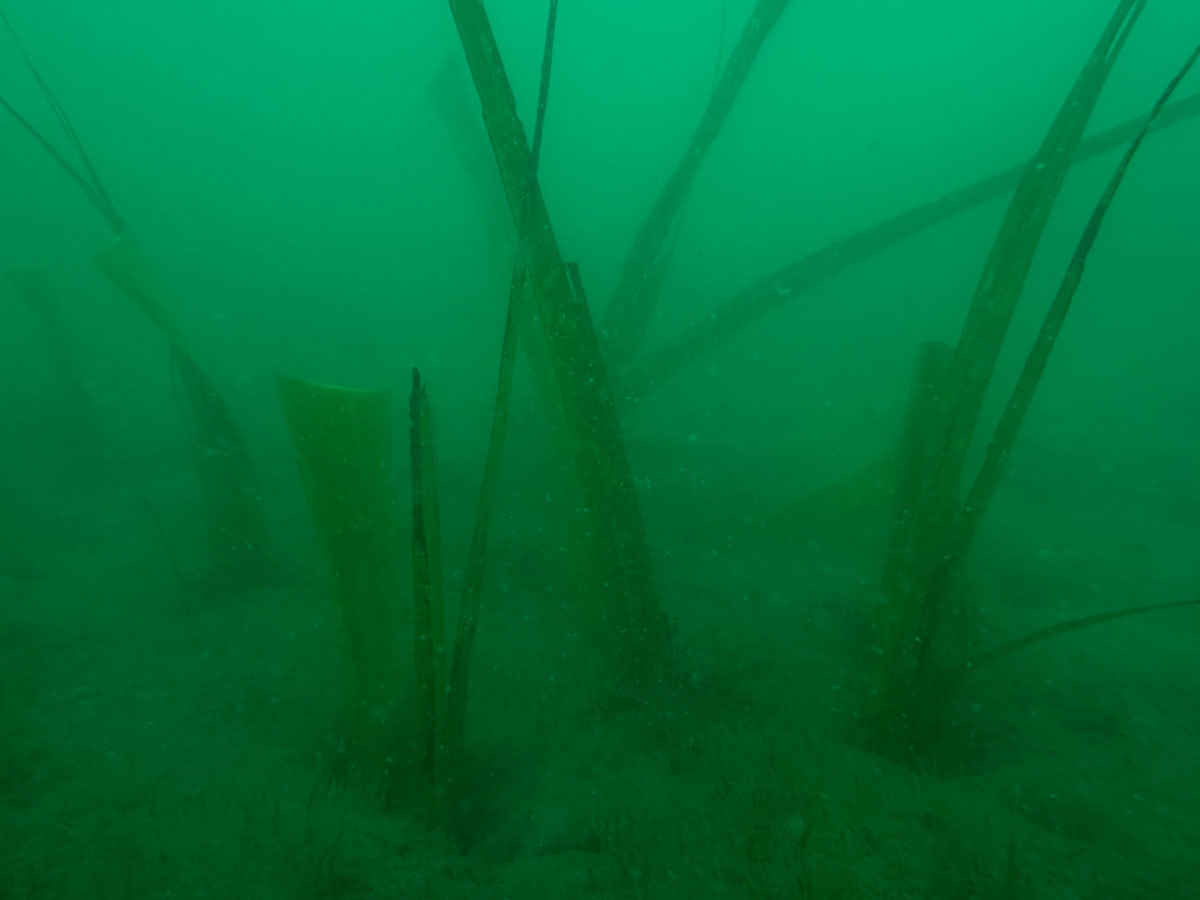
This is an experimental idea for restoring severely degraded seafloor ecosystems in the Hauraki Gulf Marine Park. It was inspired by reforestation efforts in China, where desertification is being tackled using tools like sandbag tubes and straw fences.
The idea I tested was based on the concept of straw fences and how they stabilise loose substrates. Underwater, a similar structure might:
- Stabilise the seafloor by reducing sediment movement
- Improve water clarity by slowing currents and allowing sediment to settle
- Provide structure for marine organisms to attach to or shelter in
To test this, I needed to see whether natural fibres could be planted in the seafloor and remain in place. I chose tī kōuka (cabbage tree) leaves because they are tough, fibrous, and slow to decompose on land.
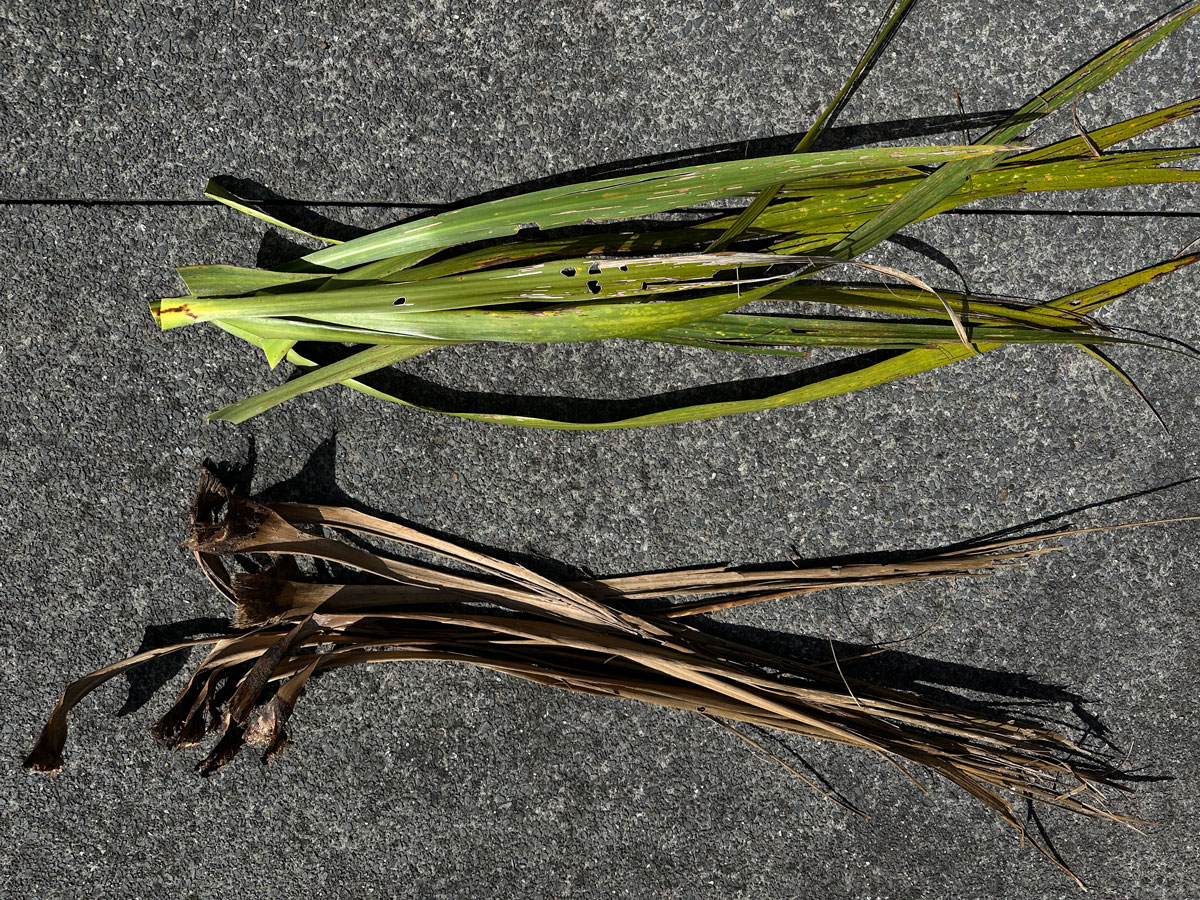
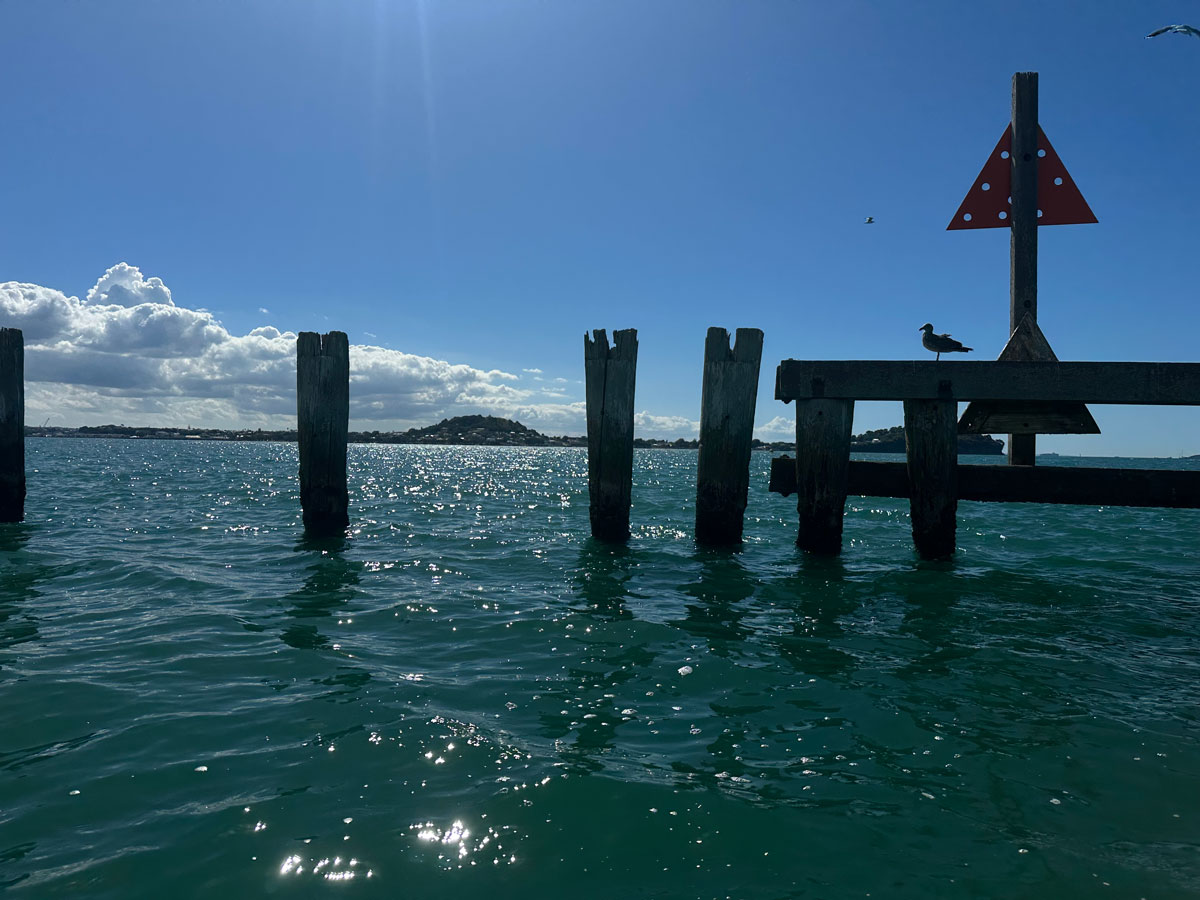
I collected ten live leaves and ten dead ones, plus two extras to bind them into bundles. The leaves were 67–80 cm long. I kayaked to the triangle marker on the Ōkahu Breakwater (-36.84498185012416, 174.8125985293282) and selected a site 10 metres north of this point, where the substrate shifts from broken shell (common around the piles) to soft mud.
On a calm, high-tide day 25 March 2025, I dived to 5-6 metres and planted the leaves vertically into the mud using a 2 × 2 cm, 40 cm wooden stake, driving each leaf 15–20 cm into the sediment.
The live leaves were planted in a cluster with 5–10 cm spacing. The dead leaves were placed in a similar cluster 1 metre east of the live group.
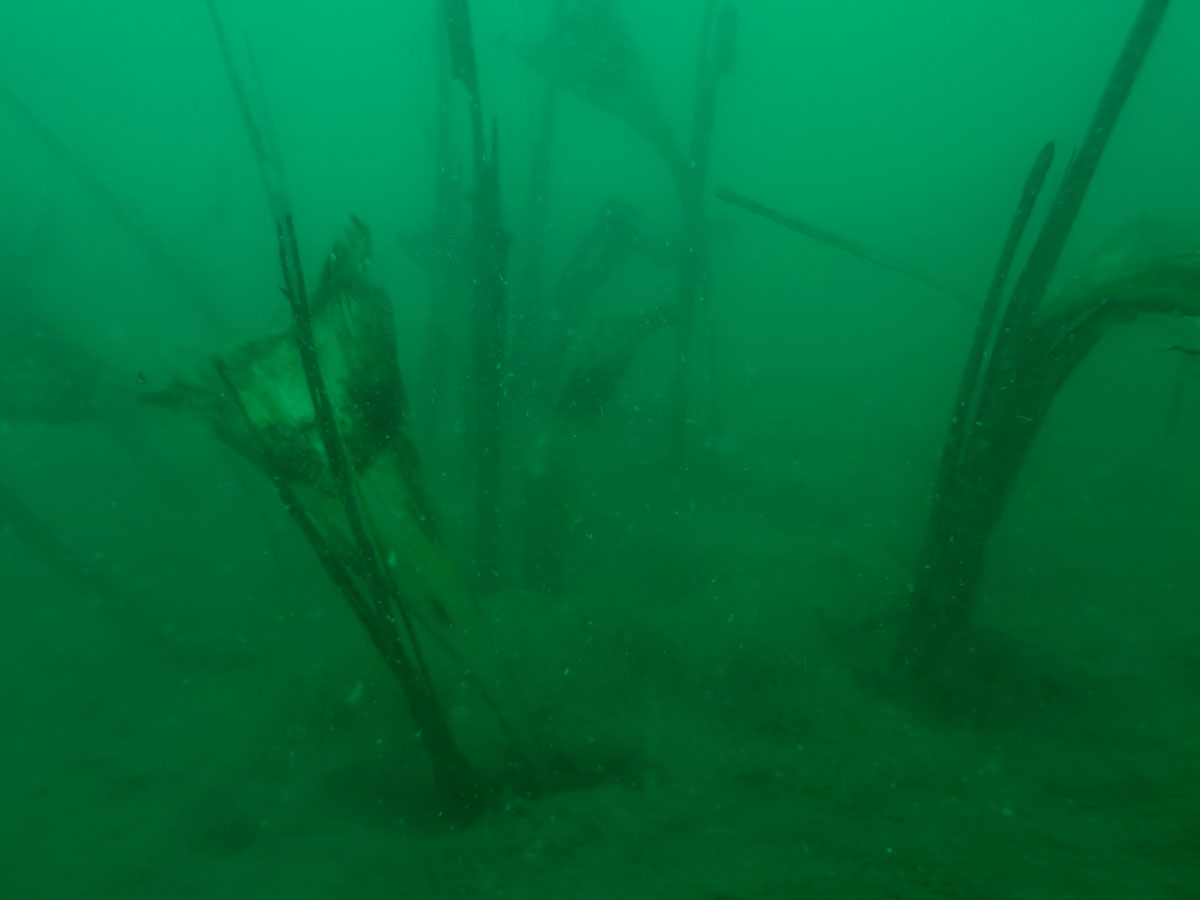
Now I wait for nature…
Update 21 March 2026
I optimistically searched for 1 hr today but could not find any evidence that the reef existed. I had perfect conditions but was a bit disappointed to still only have 1m visibility at high tide. I think the idea still has merit but to find out how it can be revised into a restoration method I recommend planting in a sandy / good visibility area and doing regular monitoring to learn how the planted reef degrades.